




Alt-Fuel for Non-Electrifiers: 3 Reasons to Consider Propane
Refueling Propane Autogas School Buses is Painless [Op-Ed]
Need a propane refueling primer? Here are seven simple steps to ensure a clean fill every single time.
by Scott Dougherty, Superior Energy Systems
September 22, 2025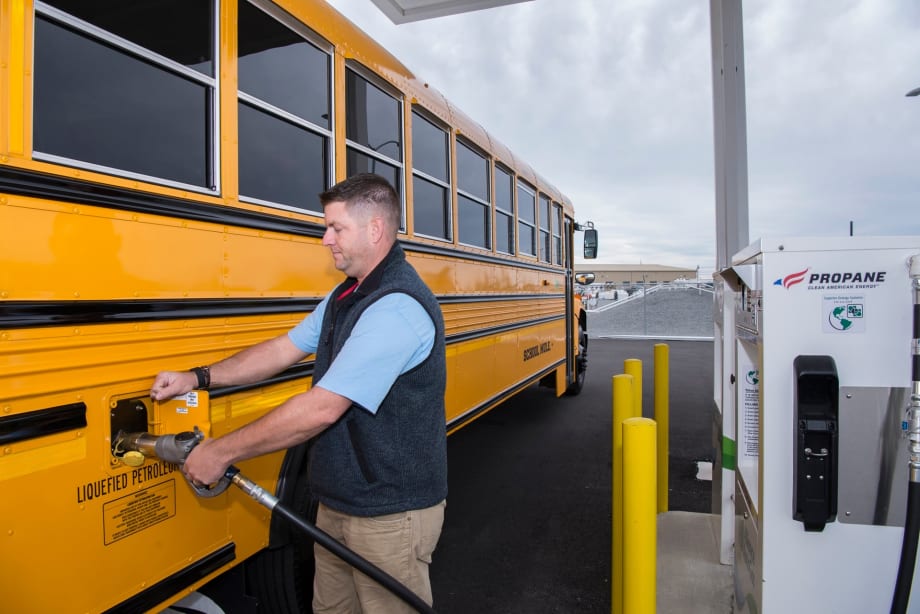
There are three options when it comes to planning your propane refueling, and two types of on-site stations.
Photo: Superior Energy Systems
4 min to read
Propane school buses make a lot of sense for urban, suburban and rural fleets across the country. Propane autogas costs up to 50% per gallon less than diesel and 40% less than gasoline, and because propane burns cleaner within an engine, maintenance and labor costs go down.
Thus, there are emissions and economic savings that can’t be denied, even by the most persnickety fleet operator or manager. But there is one other major advantage to propane autogas for school bus fleet operators, and that is in the realm of refueling.
Types of Propane Autogas Bus Refueling
Picture the school bus that you likely rode to school as a youngster. What comes to mind? Without doubt, it’s that black smoke that, in many cases, led to a bad cough or aggravated asthma. Plus, the ride to and from school was usually loud and smelly.
There are cleaner alternatives to diesel and gasoline school buses, along with other fleet vehicles. Electric models are an option and garner plenty of headlines, but the cost of an electric school bus is significantly more than a diesel bus – or a propane bus. Keep in mind, too, that with an electric bus, not only is the cost of the bus much greater, but there is the added cost of installing chargers.
Propane autogas refueling avoids all of that. There are three primary refueling options:
- A permanent on-site private refueling station, which includes a large-capacity propane storage tank, pump, meter, and one or more dispensers. A propane provider will deliver fuel based on a fleet’s needs.
- A temporary refueling structure, which includes a skid-mounted tank, pump, and dispenser, all owned by the propane provider. The fleet uses the equipment as long as it takes to build a permanent on-site private station.
- Public refueling requires no infrastructure investment, and there are hundreds of stations across the United States.
Of permanent on-site private refueling stations, there are two types:
- Advanced stations typically service more than 50 vehicles, and carry a canopy, multiple fuel dispensers, and a high-capacity tank,
- Standard stations typically service less than 50 vehicles and include a 1,000- to 3,000-gallon tank, canopy, and a single fuel dispenser.
Both station types can be owned by either the propane provider or the fleet itself, and often a propane provider can provide and install a station for fleets through signage of a fuel contract. Fuel deliveries are made when necessary – once per week, for example, or even daily if required.
Steps to Fueling Success
The real beauty behind propane autogas school bus refueling is the fact that it’s so easy, almost identical to diesel or gasoline, and just as fast, taking minutes to fuel. That’s a lot better than the hours it takes to recharge an electric bus.
There are seven key steps to ensure a successful propane autogas fill every time:
- Make sure the vehicle is off.
- Verify there are no open flames or ignition sources within 25 feet of the vehicle.
- Open the fuel door and unscrew the dust cap.
- Check that the filling connection is clean, i.e., free of road debris.
- Remove the K-15 fuel nozzle from the dispenser and push the nozzle over the fill valve to ensure it is engaged.
- Activate the dispenser and begin fueling. When the fuel tank reaches 80% capacity, fuel flow will automatically stop due to an overfill protection device.
- After disconnecting or releasing the nozzle, return it to the dispenser, replace the dust cap, and shut the fuel door.
Station maintenance should be conducted quarterly, with three important tasks: Routine pump maintenance; testing dispenser functionality; and testing safety systems.
Driver training should be conducted once every three years.
Generating Dispenser-Level Data
There are other dispenser-specific advantages to propane autogas refueling. Some dispensers are smart enough to track data that helps a fleet operator manage vehicles and drivers. For example, Superior Energy Systems’PRO-Vend 2000/25000 dispensers track data like driver and vehicle information, gallons pumped, and mileage for a virtually unlimited number of vehicles. The cloud-based system updates in real time and is available 24/7 via mobile phone or any computer connected to the Internet.
Alternative fuel school buses and refueling them go hand in hand. For school bus fleet operators, refueling has to be fast and seamless, which is why working with your local propane provider is the first step to reduced emissions and cost.
Subscribe to Our Newsletter
More Alternative Fuels

CALSTART and Forth Combine to Form Catalyst Mobility
The new name represents a renewed vision for the nonprofit focused on advancing clean, equitable, and affordable transportation solutions that move people and goods.
Read More →
Alt-Fuel Moves: New Buses, Charging Hubs & Real-World EV Testing
Propane and electric school bus deployments continue to grow as districts add new vehicles, expand charging infrastructure, and gather more real-world operating data.
Read More →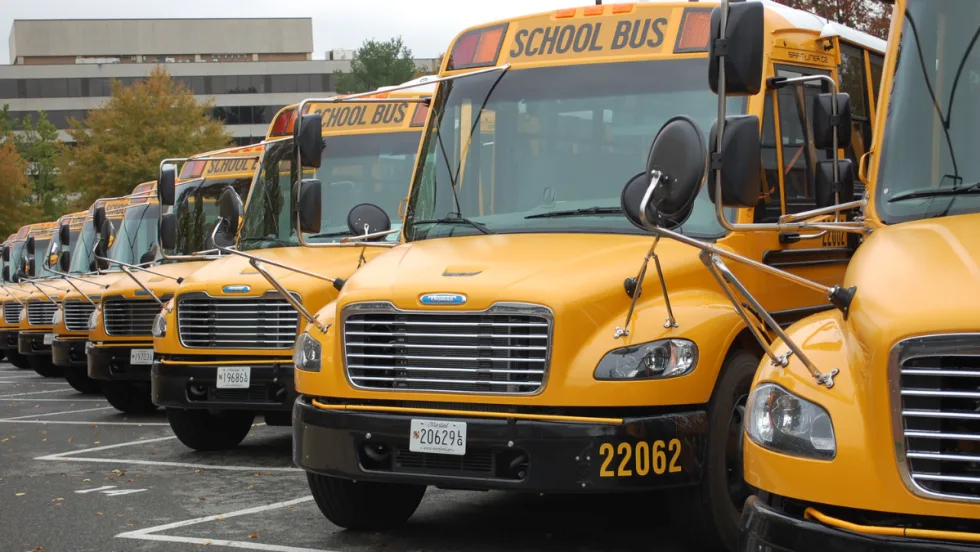
Fewer Electric School Bus Models Reshape the U.S. Market
WRI’s latest buyer’s guide points to a consolidating electric school bus market, but fewer options may reflect a maturing industry rather than fewer meaningful choices for school bus operators.
Read More →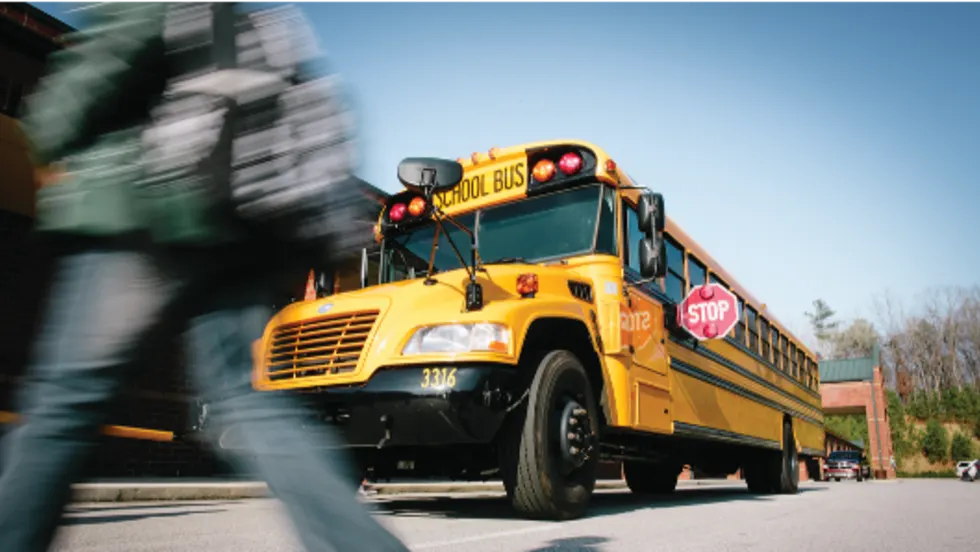
The Fuel Budget You Can Actually Predict: How Propane Autogas Keeps Money in the Classroom
Learn how propane autogas helps school districts manage fuel costs with predictable pricing, lower maintenance, and reduced emissions from former transportation director Joel Stutheit.
Read More →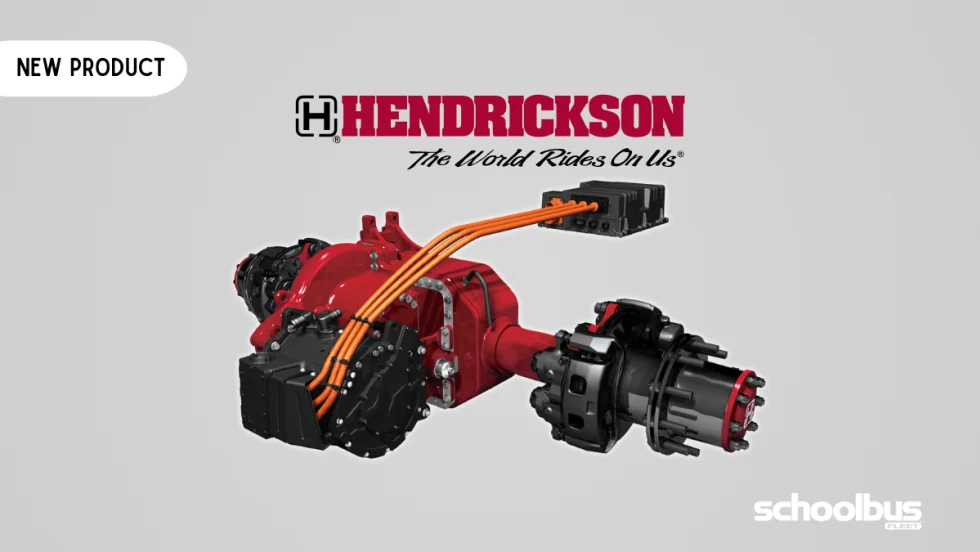
Hendrickson, Driventic Introduce New Electric Powertrain for School Buses
ELECTRAAX, the electrified, lightweight drive axle offers integrated ePowertrain efficiency and modular flexibility for Class 6–7 school bus use.
Read More →
The Mobility House Joins PowerFlex in Fleet Electrification Deal
The acquisition combines intelligent charging software, bidirectional charging expertise, and fleet electrification services to support the growing adoption of electric school buses across North America.
Read More →
Alt-Fuel Moves: Electric School Bus Investments Hit the Road
See which districts across the U.S. are putting electric school buses into service, expanding charging infrastructure, and planning the next phase of fleet electrification.
Read More →
With Fuel Volatility Ahead, School Districts Turn to Propane
While diesel prices peaked above $5 this spring, districts with propane autogas-powered fleets paid under $2 per gallon, according to PERC.
Read More →
EPA Unveils Proposed Changes to 2027 Heavy-Duty Engine Rules
The federal agency has proposed changes to next year’s targets that would eliminate DEF derates, ease warranty requirements, and retain current NOx emissions standards.
Read More →
Alt-Fuel Moves: EV Charging & Infrastructure Projects Gain Momentum
The latest developments include new funding, charging infrastructure, utility investments, and fleet technologies designed to support the transition to electric school buses nationwide.
Read More →