





How to Choose the Right Chargers for Your Electric School Bus Fleet
Blue Bird Delivers 25 Electric School Buses to Arkansas District
Little Rock School District upgrades to electric buses with EPA grant, advancing its commitment to clean and sustainable student transportation.
August 11, 2025
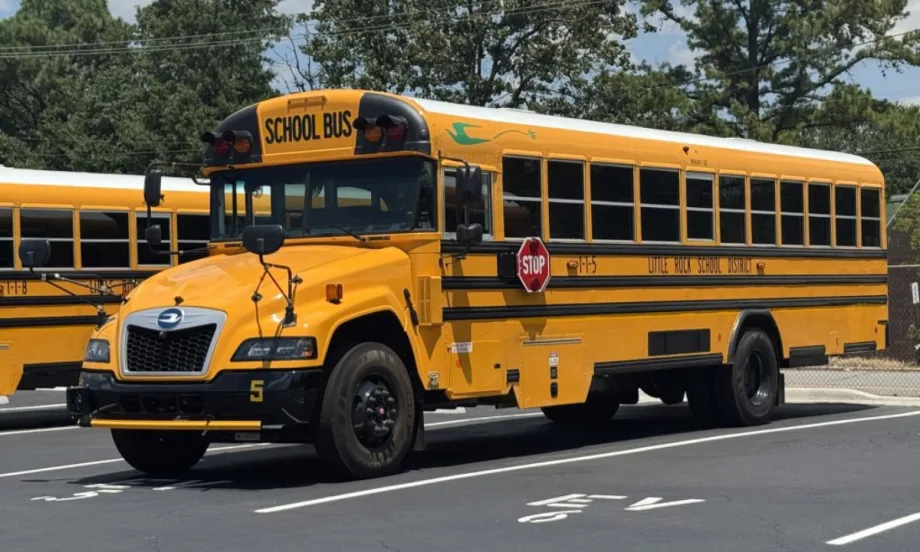
Addition of the zero-emission school bus fleet helps Little Rock School District improve student and community health while significantly reducing operating costs.
Photo: Little Rock School District
3 min to read
Blue Bird is delivering 25 electric school buses to Little Rock School District (LRSD) in Arkansas. The zero-emission school bus fleet marks a new era of clean student transportation for the school district, which is the third-largest school district in the state and operates more than 40 schools serving over 19,000 students.
The district will receive Blue Bird’s Vision electric school buses featuring a vehicle range of up to 130 miles on a single charge and can carry up to 69 passengers. The batteries take two hours to recharge fully.
After completing the Blue Bird electric school bus order, the district will maintain a bus fleet of approximately 70 vehicles. The new zero-emission school buses will travel nearly 1,400 miles each school day, as they transport 500 students to and from schools.
“This is more than just adding new buses — it’s about doing what’s right for our kids and our community,” said Dr. Jermall D. Wright, Little Rock School District superintendent. “We’re proud to introduce Blue Bird’s electric school buses as a step toward a cleaner, healthier future. Every mile these buses travel means less pollution, cleaner air, and a stronger commitment to the well-being of our students and the neighborhoods we serve.”
The district is commissioned charging infrastructure designed and implemented by Entegrity Energy Partners, with technology support from The Mobility House, which can keep the buses running in the event of power outages.
According to The Mobility House, the new charging installation features a technological solution that will provide a backup power supply to keep buses running during grid disruptions through the company's ChargePilot charge management system.
“With this investment, Little Rock School District has established itself as a national leader in the future of student transportation,” Gregor Hintler, CEO of The Mobility House North America, said.
“This project shows that with strategic planning, school districts can dramatically improve health, sustainability, and reliability while staying fiscally responsible — in this case, saving LRSD more than $100,000 every year in fuel costs,” Parker Higgs, Arkansas director at Entegrity Energy Partners, said. “LRSD’s leadership is proof of what’s possible.”
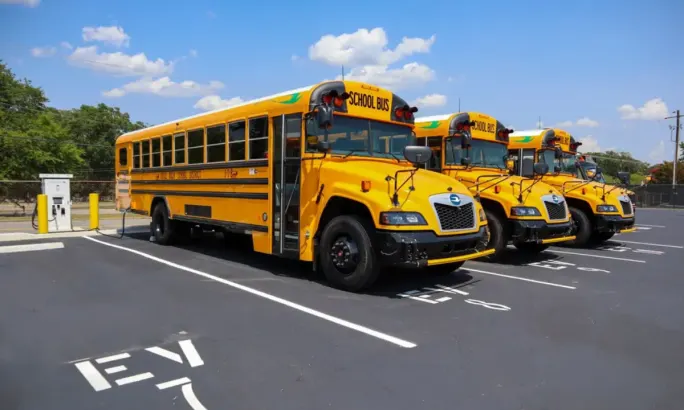
A line of Little Rock School District EV Buses, charging managed by The Mobility House.
Photo: The Mobility House, by Jeff Sternisha
Little Rock School District Receives $9.8 Million EPA Grant
The district received a $9,875,000 grant through the U.S. Environmental Protection Agency’s (EPA) Clean School Bus Program to purchase its Blue Bird electric school bus fleet. The purchase was made through Blue Bird’s authorized school bus dealer, Central States Bus Sales in North Little Rock, Arkansas.
The Arkansas Times reported in mid-2024 that First Student, operating 171 buses in total for Little Rock students, also received $8.6 million in funding from the EPA in a random lottery of applicants. At the time of reporting, over 50 electric school buses were planned to join the district's operations in late 2025, which has now become a reality.
According to a Blue Bird release, the EPA has already awarded nearly $3 billion through the landmark bipartisan initiative. The program to date will enable more than 1,300 school districts nationwide to replace old diesel buses with nearly 9,000 electric and low emission vehicles.
Little Rock School District is in a position to lower its operating expenses through replacing diesel with electric school buses, which could reduce fuel and vehicle maintenance costs. According to Blue Bird, some school districts have reported paying 19 cents per mile in energy costs for electric buses compared to fuel costs of up to 79 cents per mile for their diesel buses.
“We are pleased that Little Rock School District continues to place its trust in Blue Bird to help the school district shift to clean student transportation,” said Albert Burleigh, vice president of North America bus sales at Blue Bird Corporation. “For more than 25 years, the school district has relied on Blue Bird and our local dealer partner to meet its school bus and service needs. We look forward to helping LRSD expand its school bus fleet with safe, reliable, and environmentally-friendly vehicles.”
More Alternative Fuels
Bipartisan Bill Seeks to Extend Clean School Bus Program Through 2031
The proposed legislation would renew federal support for cleaner school buses as districts navigate funding uncertainty, rising fuel and infrastructure costs, and fleet replacement needs.
Read More →
Alt-Fuel Moves: Electric Bus Rollouts, Bidirectional Charging & Propane Growth
See which fleets are adding electric and propane school buses as districts and operators invest in charging infrastructure, bidirectional technology, and alternative-fuel expansion.
Read More →
Nobody Told Diesel Prices They Were Supposed to Come Down
With diesel prices surging, school bus fleets have new reason to stress-test fuel costs, consider diversification, and calculate what each route really costs to operate.
Read More →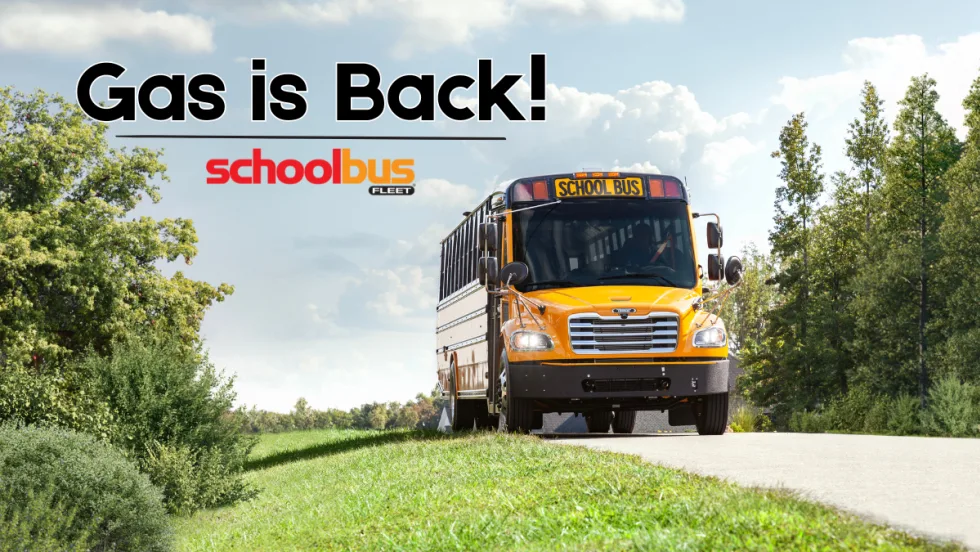
Why Gasoline School Buses Are Making a Comeback
Gasoline is gaining ground in full-size school buses. See how today’s options stack up against diesel on cost, maintenance, emissions, performance, and more.
Read More →
EPA Opens $180M DERA Funding Round for Diesel Upgrades
The 2026 Diesel Emissions Reduction Act program seeks applications from eligible organizations to accelerate the retirement of legacy diesel vehicles.
Read More →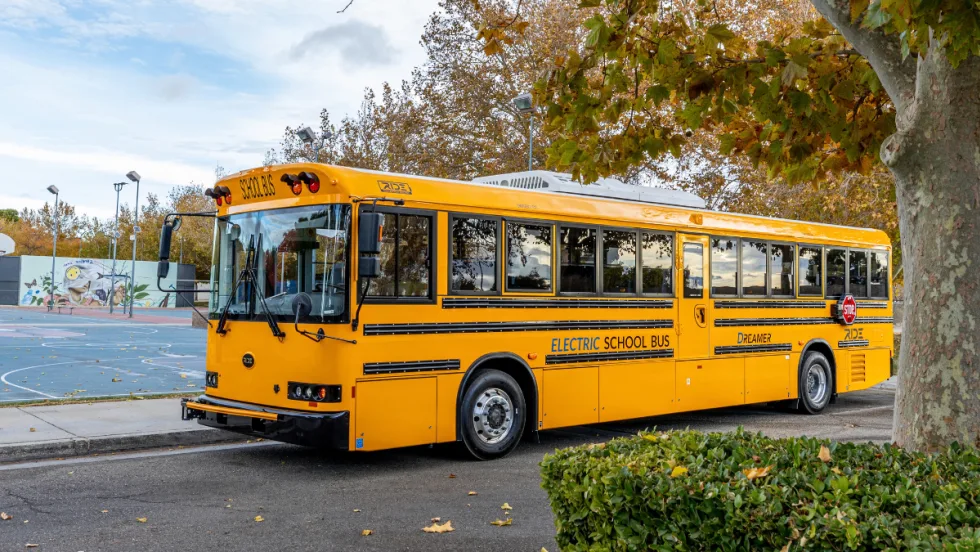
The Secret Life of an Electric School Bus Battery
Batteries change throughout years of daily routes, but degradation doesn’t necessarily mean the end. Here’s what operators should know about performance, safety, and second life.
Read More →
CALSTART and Forth Combine to Form Catalyst Mobility
The new name represents a renewed vision for the nonprofit focused on advancing clean, equitable, and affordable transportation solutions that move people and goods.
Read More →
Alt-Fuel Moves: New Buses, Charging Hubs & Real-World EV Testing
Propane and electric school bus deployments continue to grow as districts add new vehicles, expand charging infrastructure, and gather more real-world operating data.
Read More →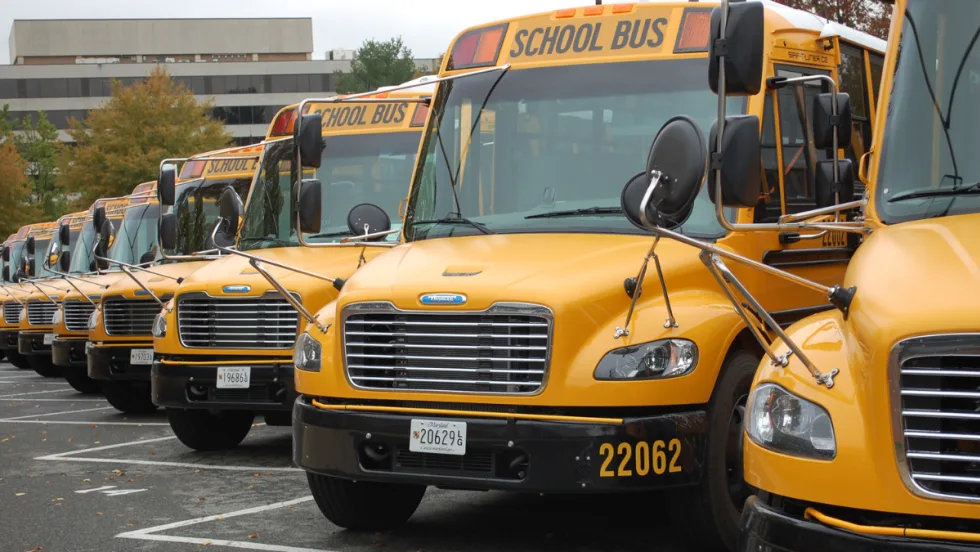
Fewer Electric School Bus Models Reshape the U.S. Market
WRI’s latest buyer’s guide points to a consolidating electric school bus market, but fewer options may reflect a maturing industry rather than fewer meaningful choices for school bus operators.
Read More →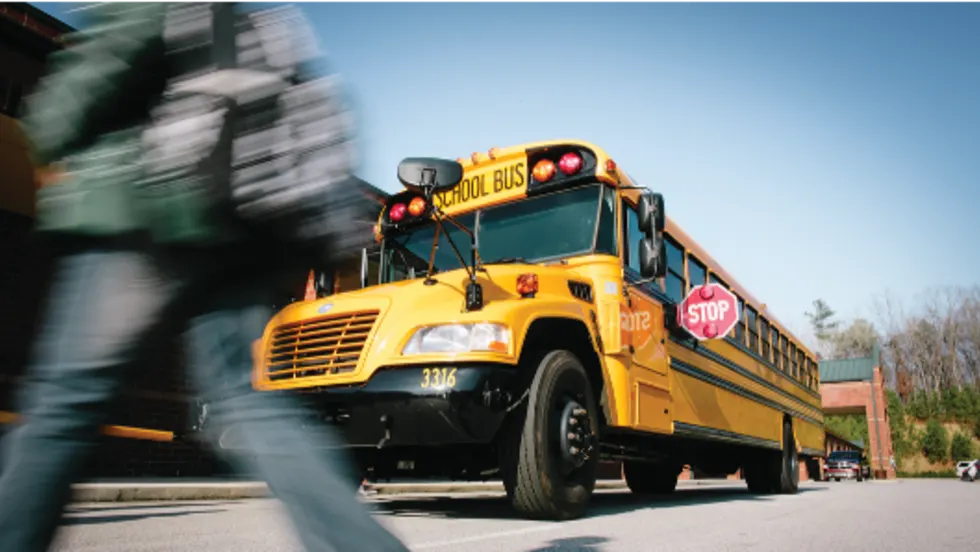
The Fuel Budget You Can Actually Predict: How Propane Autogas Keeps Money in the Classroom
Learn how propane autogas helps school districts manage fuel costs with predictable pricing, lower maintenance, and reduced emissions from former transportation director Joel Stutheit.
Read More →