





Bonny Eagle School District Puts Renewable Propane to the Test
Arkansas School District Makes the Propane Switch
Pulaski County Special School District replaced 14 outdated diesel buses with cleaner propane models. Here
November 22, 2024
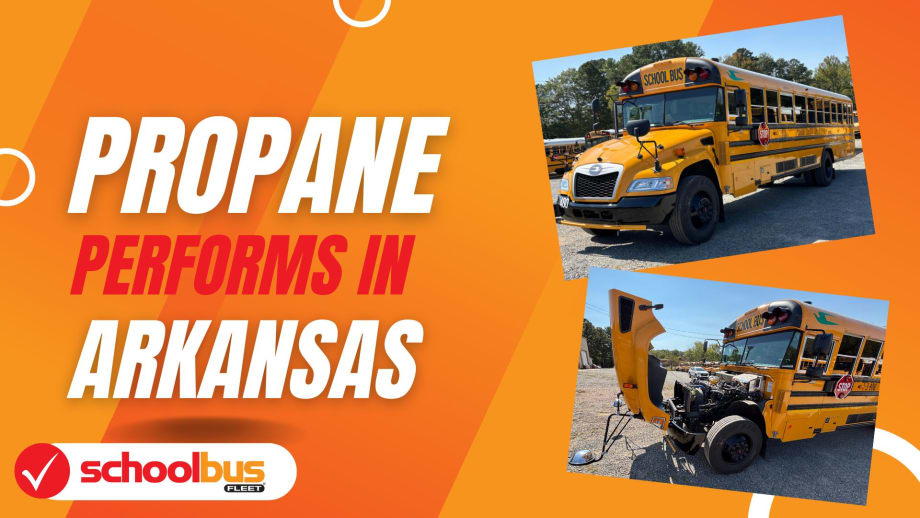
Photo: Arkansas Propane Education & Research Council
2 min to read
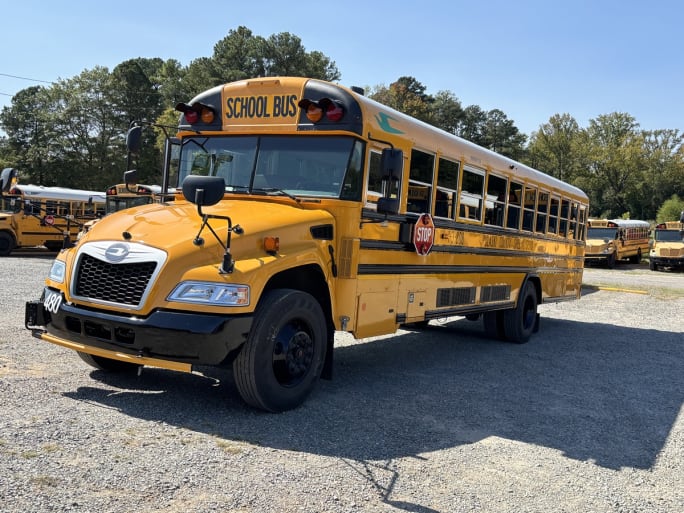
The district originally purchased four propane buses in 2022, which were so successful that they ordered 14 more.
Photo: Arkansas Propane Education & Research Council
Last July, 14 clean-operating propane school buses arrived at Pulaski County Special School District, marking their second alt-fuel bus purchase.
Pulaski County Special School District operates 205 school buses that span 600 square miles. The district originally purchased four propane buses in 2022. After success with the first round of propane buses, and with new emissions standards, an additional 14 were ordered and arrived this summer.
The new buses replace 14 outdated 2002-2009 model-year diesel buses and will be used for daily routes, activities, and athletic transportation.
“We’re pleased that our school buses operate on a cleaner fuel than diesel,” said Dr. Charles McNulty, superintendent of Pulaski County Special School District. “Maintenance and fuel costs are lower with the new buses. All savings will go toward supporting the transportation department to ensure our children have access to excellent transportation options to and from school.”
The district added two 1,000-gallon on-site propane fueling stations and worked with a local propane supplier to lock in a low per-gallon rate. “Our drivers can easily and conveniently fuel up throughout the day with the onsite stations,” said McNulty. “Having the stations onsite makes overall operations much more efficient.”
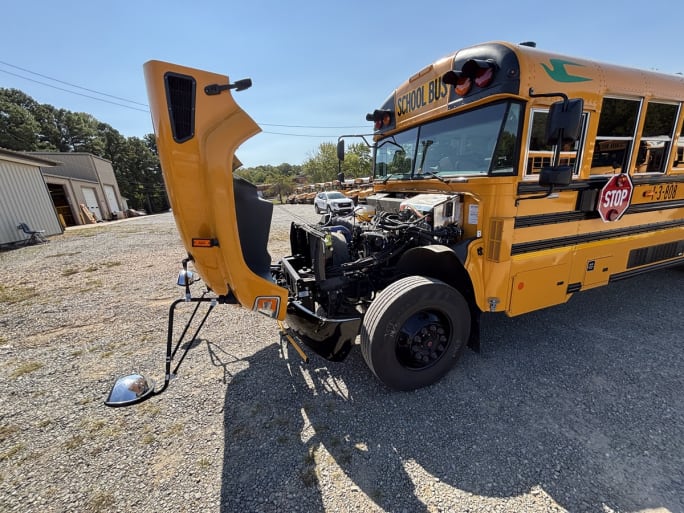
To help purchase the buses, the district received a grant from Arkansas Energy Environment, along with rebates from GO RED.
Photo: Arkansas Propane Education & Research Council
“Pulaski County Special School District is the third district in the state of Arkansas joining more than 1,000 school districts across the country transitioning to clean-operating, low-cost propane buses,” said Luke Fitzpatrick, CEO for Arkansas Propane Education & Research Council. “In addition to reducing harmful emissions, propane buses offer school districts the lowest total cost of ownership compared with any other fuel.”
To help purchase the buses, Pulaski County Special School District received a grant from Arkansas Energy Environment, as well as rebates from GO RED (Reduced Emissions from Diesel).
Additional funding for propane buses is available for Arkansas schools who qualify for the EPA’s Clean School Bus Rebate Program, as well as federal alternative fuel tax credits.
Propane buses emit fewer harmful emissions than older diesel buses. In fact, one diesel bus manufactured before 2007 emits more NOx than 100 ultra-low NOx propane buses like the ones operated by Pulaski County Special School District, Arkansas Propane Education & Research Council said in a media release. It added that propane reduces harmful nitrogen oxide emissions by up to 96% compared with diesel.
More Alternative Fuels

CALSTART and Forth Combine to Form Catalyst Mobility
The new name represents a renewed vision for the nonprofit focused on advancing clean, equitable, and affordable transportation solutions that move people and goods.
Read More →
Alt-Fuel Moves: New Buses, Charging Hubs & Real-World EV Testing
Propane and electric school bus deployments continue to grow as districts add new vehicles, expand charging infrastructure, and gather more real-world operating data.
Read More →
Fewer Electric School Bus Models Reshape the U.S. Market
WRI’s latest buyer’s guide points to a consolidating electric school bus market, but fewer options may reflect a maturing industry rather than fewer meaningful choices for school bus operators.
Read More →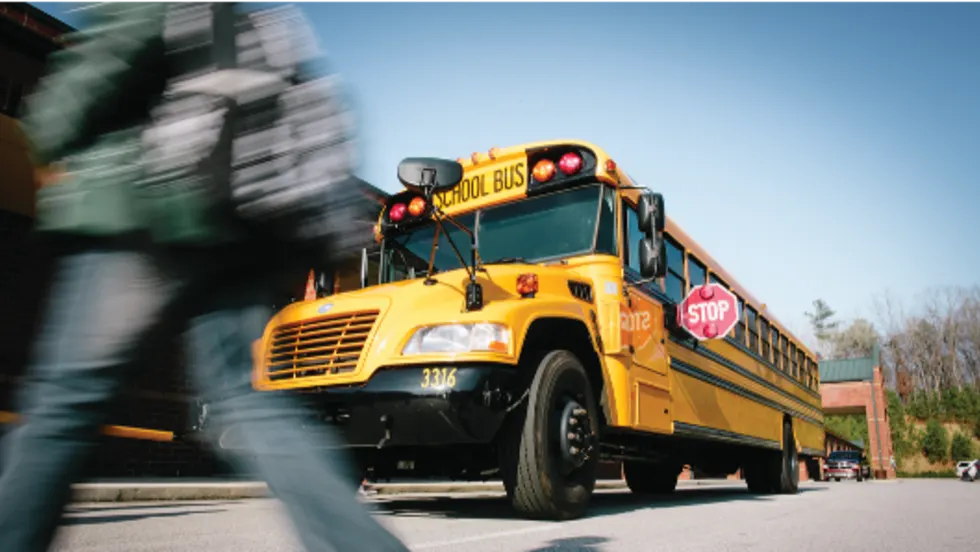
The Fuel Budget You Can Actually Predict: How Propane Autogas Keeps Money in the Classroom
Learn how propane autogas helps school districts manage fuel costs with predictable pricing, lower maintenance, and reduced emissions from former transportation director Joel Stutheit.
Read More →
Hendrickson, Driventic Introduce New Electric Powertrain for School Buses
ELECTRAAX, the electrified, lightweight drive axle offers integrated ePowertrain efficiency and modular flexibility for Class 6–7 school bus use.
Read More →
The Mobility House Joins PowerFlex in Fleet Electrification Deal
The acquisition combines intelligent charging software, bidirectional charging expertise, and fleet electrification services to support the growing adoption of electric school buses across North America.
Read More →
Alt-Fuel Moves: Electric School Bus Investments Hit the Road
See which districts across the U.S. are putting electric school buses into service, expanding charging infrastructure, and planning the next phase of fleet electrification.
Read More →
With Fuel Volatility Ahead, School Districts Turn to Propane
While diesel prices peaked above $5 this spring, districts with propane autogas-powered fleets paid under $2 per gallon, according to PERC.
Read More →
EPA Unveils Proposed Changes to 2027 Heavy-Duty Engine Rules
The federal agency has proposed changes to next year’s targets that would eliminate DEF derates, ease warranty requirements, and retain current NOx emissions standards.
Read More →
Alt-Fuel Moves: EV Charging & Infrastructure Projects Gain Momentum
The latest developments include new funding, charging infrastructure, utility investments, and fleet technologies designed to support the transition to electric school buses nationwide.
Read More →