


EPA Proposes to Repeal All GHG Emissions Standards
The federal agency has issued a proposal to repeal all greenhouse gas emission standards on light-, medium-, and heavy-duty vehicles and engines to restore consumer choice and save on regulatory costs.

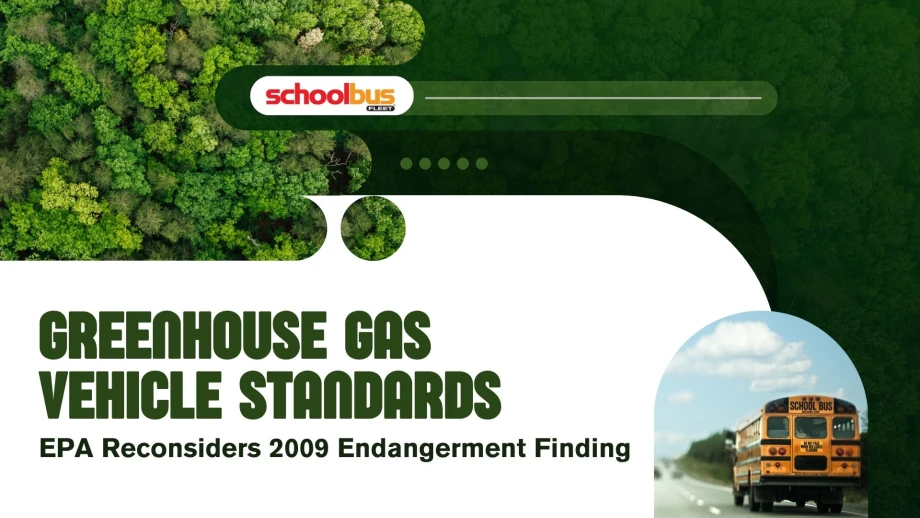
If finalized, this proposal would undo the underpinning of $1 trillion in regulations, saving more than $54 billion annually, according to EPA. A virtual public hearing about the proposal will be held August 19 and 20 this year.
Photo: School Bus Fleet
The U.S. Environmental Protection Agency (EPA) seeks to repeal all greenhouse gas (GHG) emission standards for light-duty, medium-duty, and heavy-duty vehicles and engines. The proposal rescinds the agency's 2009 Endangerment Finding, which contains over $1 trillion in emissions regulations, as well as the Biden-Harris Administration’s electric vehicle (EV) mandate.
According to EPA's Administrator Lee Zeldin at a July 29, 2025, conference, the agency lacks statutory authority to address global climate change concerns under Section 202 of the Clean Air Act to prescribe standards for GHG emissions.
The proposal also cites updated scientific data that challenge the assumptions behind the 2009 finding. "Much has changed since the 2009 Endangerment Finding was issued, including new scientific and technological developments that warrant review," the release said. And in the official filing, "that no requisite technology for vehicle and engine emission control can address the global climate change concerns identified in the findings without risking greater harms to public health and welfare."
As a result of these proposed changes, engine and vehicle manufacturers would no longer have any future obligations for the measurement, control, and reporting of GHG emissions for any highway engine and vehicle, including model years manufactured prior to the proposal. The EPA, however, does intend to retain regulations for criteria pollutants and air toxic measurement and standards, Corporate Average Fuel Economy testing, and associated fuel economy labeling requirements.
The EPA will hold a virtual public hearing August 19 and 20, 2025, on the proposal. An additional session will be held on August 21, 2025 if necessary. All attendees, including those who do not intend to provide testimony, should email EPA-MobileSource-Hearings@epa.gov.by August 12.
Written comments may be submitted through September 15, 2025, to a-and-r-Docket@epa.gov. Include Docket ID No. EPA-HQ-OAR-2025-0194 in the subject line.
For more information, visit this link or see coverage from SBF's sister site Heavy Duty Trucking.
More Alternative Fuels
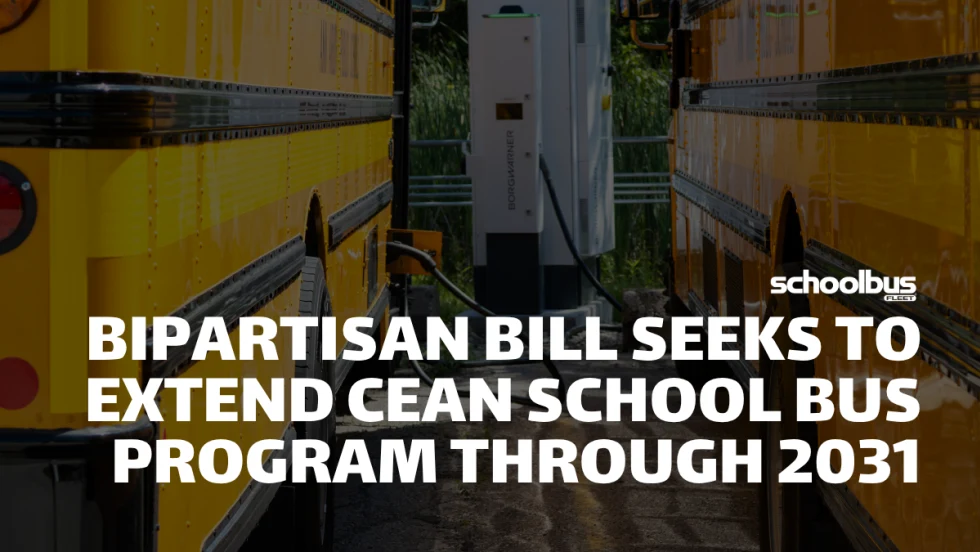
Bipartisan Bill Seeks to Extend Clean School Bus Program Through 2031
The proposed legislation would renew federal support for cleaner school buses as districts navigate funding uncertainty, rising fuel and infrastructure costs, and fleet replacement needs.
Read More →
Alt-Fuel Moves: Electric Bus Rollouts, Bidirectional Charging & Propane Growth
See which fleets are adding electric and propane school buses as districts and operators invest in charging infrastructure, bidirectional technology, and alternative-fuel expansion.
Read More →
Nobody Told Diesel Prices They Were Supposed to Come Down
With diesel prices surging, school bus fleets have new reason to stress-test fuel costs, consider diversification, and calculate what each route really costs to operate.
Read More →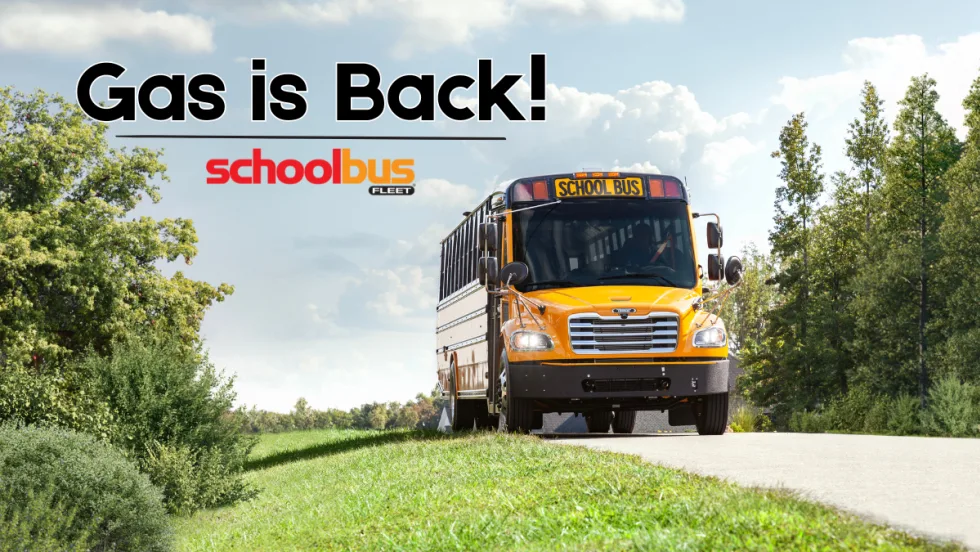
Why Gasoline School Buses Are Making a Comeback
Gasoline is gaining ground in full-size school buses. See how today’s options stack up against diesel on cost, maintenance, emissions, performance, and more.
Read More →
EPA Opens $180M DERA Funding Round for Diesel Upgrades
The 2026 Diesel Emissions Reduction Act program seeks applications from eligible organizations to accelerate the retirement of legacy diesel vehicles.
Read More →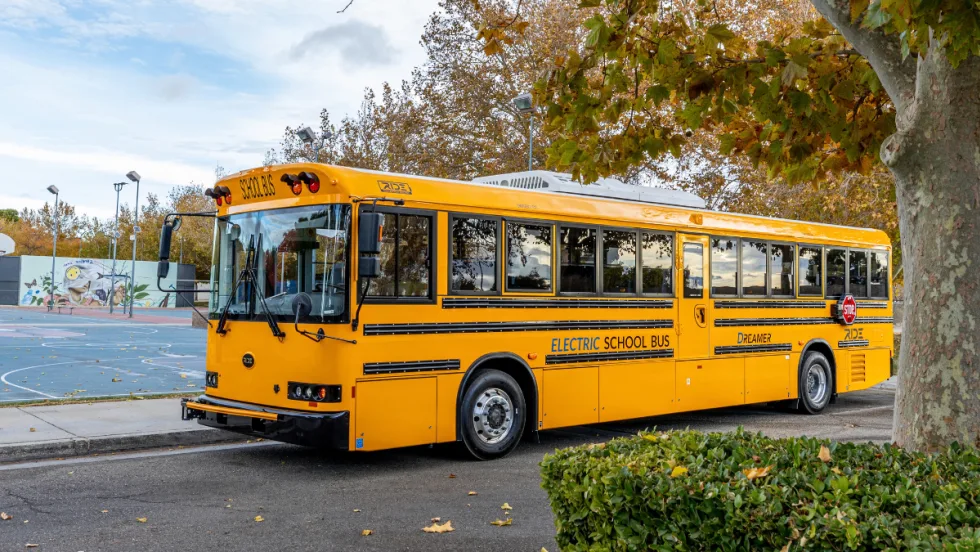
The Secret Life of an Electric School Bus Battery
Batteries change throughout years of daily routes, but degradation doesn’t necessarily mean the end. Here’s what operators should know about performance, safety, and second life.
Read More →
CALSTART and Forth Combine to Form Catalyst Mobility
The new name represents a renewed vision for the nonprofit focused on advancing clean, equitable, and affordable transportation solutions that move people and goods.
Read More →
Alt-Fuel Moves: New Buses, Charging Hubs & Real-World EV Testing
Propane and electric school bus deployments continue to grow as districts add new vehicles, expand charging infrastructure, and gather more real-world operating data.
Read More →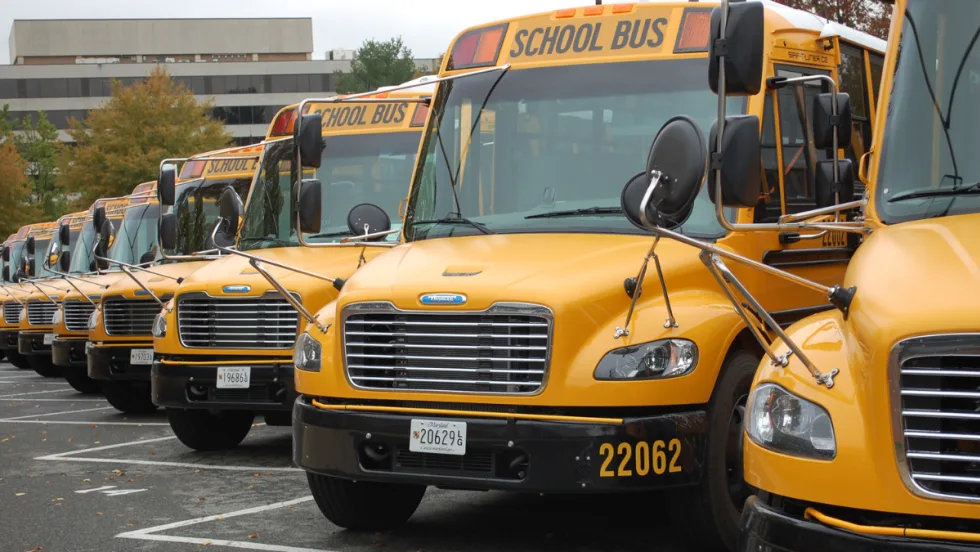
Fewer Electric School Bus Models Reshape the U.S. Market
WRI’s latest buyer’s guide points to a consolidating electric school bus market, but fewer options may reflect a maturing industry rather than fewer meaningful choices for school bus operators.
Read More →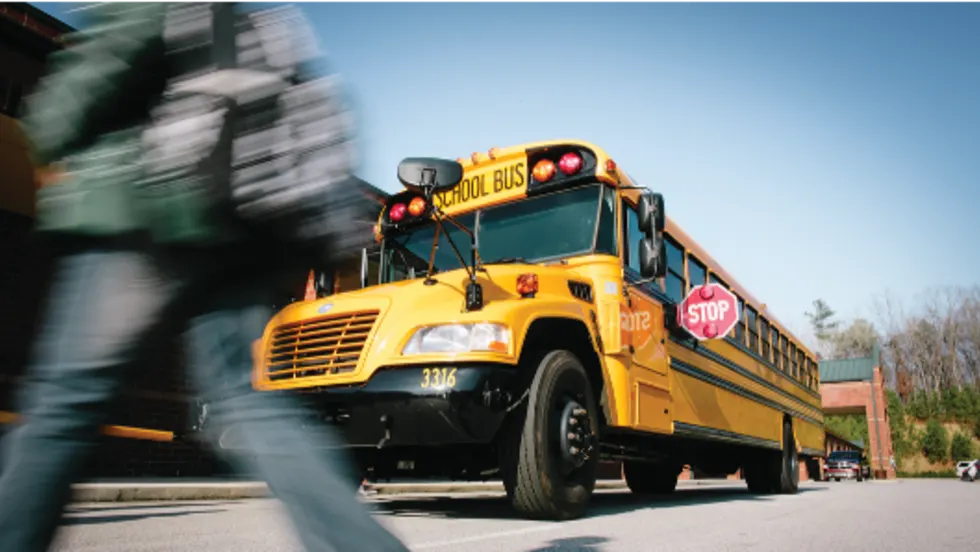
The Fuel Budget You Can Actually Predict: How Propane Autogas Keeps Money in the Classroom
Learn how propane autogas helps school districts manage fuel costs with predictable pricing, lower maintenance, and reduced emissions from former transportation director Joel Stutheit.
Read More →