





More News: Nuvve Awarded $400M Fleet Electrification Contract in New Mexico
Minnesota Districts Get $5.5 Million for Electric School Buses
Three districts in Minnesota are implementing more electric school buses into their fleets, with one district taking its first step into electric transportation.
March 7, 2025
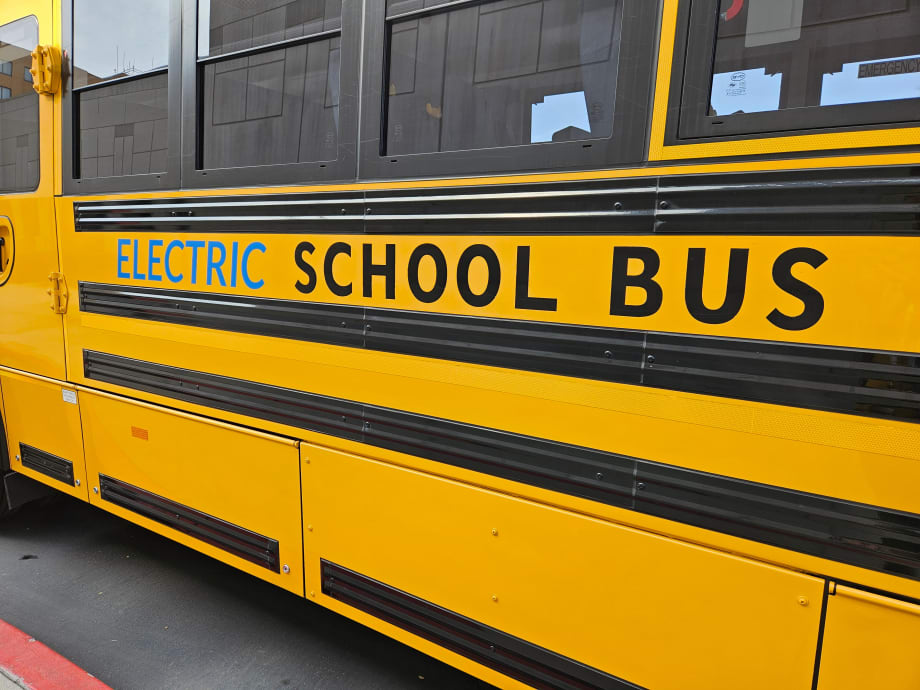
Three districts in Minnesota are getting funding from the EPA and Volkswagen settlement to purchase 19 electric school buses, hoping that the long-term savings will pay off.
Photo: Amanda Huggett
3 min to read
Three school districts in Minnesota are adding electric buses to their fleets thanks to more than $5.5 million from the Minnesota Pollution Control Agency, one of 70 recipients nationally to receive funding from the U.S. Environmental Protection Agency’s (EPA) Clean Heavy-Duty Vehicles Grant Program.
In addition to the grant, portions of the Volkswagen Settlement will provide funding for 19 electric school buses to districts in Osseo, Bloomington, and White Bear Lake. The districts were selected based on their designation as disadvantaged communities by the EPA.
The buses are being purchased through North Star Bus Lines, LLC in Maple Grove, which has previously purchased Lion Electric buses for the Osseo school district.
Benefits and Barriers to Electric School Buses
Minnesota is receiving more than $12.7 million for zero-emission heavy-duty vehicles to help slow climate change, reduce air pollution, and advance environmental justice in the state.
Costs remain one of the biggest barriers to adopting electric school buses, with a single bus costing between $350,000 and $400,000 on average. In addition, schools must purchase charging infrastructure, which further increases the costs.
While the initial cost of an electric school bus is high, the long-term savings can add up, with each bus estimated to save $430 in fuel per month. In addition, each electric bus reduces greenhouse gas emissions by 140 tons.
Bringing Buses to the Districts
Districts are eager to lower operational costs while maintaining efficient transportation.
“We want to keep costs in the classroom and not out on the school buses,” said Troy Schreifels, director of transportation, security, and emergency management for Osseo Area Schools.
The Osseo, Bloomington, and White Bear Lake school districts have committed to environmental initiatives and are choosing to be early adopters of electric school buses.
“We also want to reduce our carbon footprint and contribute to our sustainability efforts,” said Tim Wald, assistant superintendent for finance and operations at White Bear Lake School District.
This opportunity marks the first step into electric buses for White Bear Lake. Wald is optimistic about the potential of electric buses to provide a safer, more sustainable form of transportation.
“It’s an incredible opportunity to add a clean-burning vehicle to our bus fleet,” Wald said. “We’ve been interested in adding electric buses, and we can use this opportunity to learn from them and possibly add more in the future.”
Both Osseo and Bloomington have already introduced electric buses and hope to continue expanding their fleets. Bloomington has the necessary charging infrastructure in place to allow for this kind of expansion.
Osseo recently shifted from diesel to propane and propane buses currently account for about 75% of its fleet. While electric buses only account for 10% of their fleet, Schreifels sees this as the next natural step.
“It’s my job to find the most efficient, cost-effective, and carbon-neutral fleet I can,” Schreifels said. “Before these grants became available, having any EVs in our fleet would’ve been out of reach.”
The hope is that the electric buses will result in long-term cost savings due to fewer parts, lower maintenance, and reduced fuel costs.
More Management
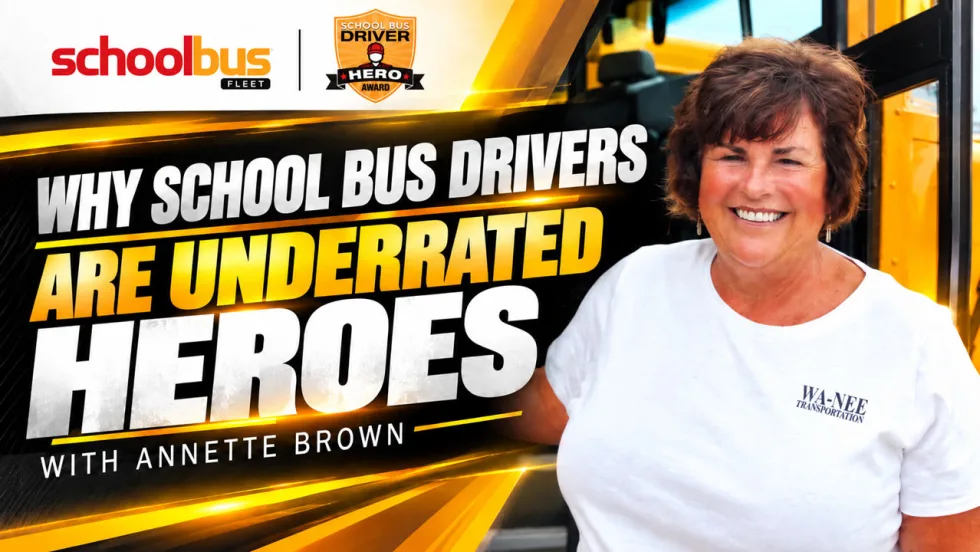
Meet the 2025 School Bus Driver Hero Winner: Annette Brown
We caught up with Wa-Nee Community Schools' Annette Brown on site at SBFX, where she was named the 2026 School Bus Driver Hero Award winner. Hear about her reaction, what she loves most about being a school bus driver, and more!
Read More →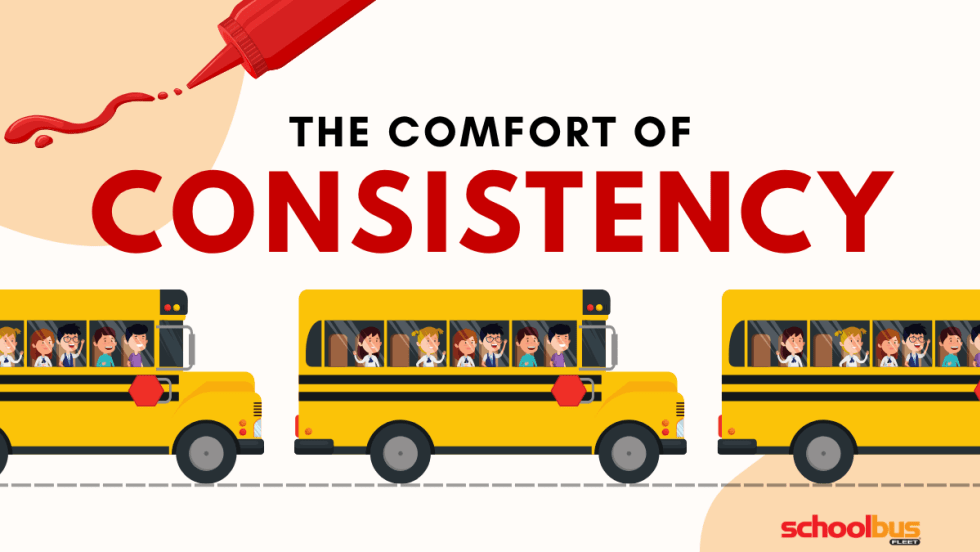
Predictability Is Like Ketchup (According to 6-Year-Olds)
To students, a different school bus can feel like a full-blown crisis. One driver reflects on why familiar routines, showing up on time, and being reliably boring matter more than we think.
Read More →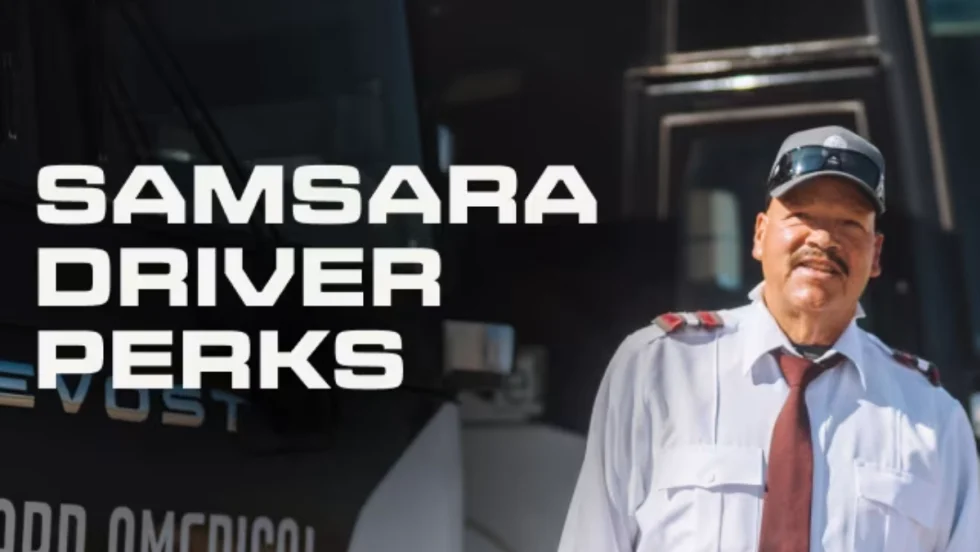
Samsara Launches Free Driver Rewards Program
The new Driver Perks program gives eligible professional drivers access to discounts and offers without adding a cost for participating fleets.
Read More →
How Tax-Exempt Municipal Leases Can Help Finance School Buses
Let’s explore school bus financing options, including municipal leases, vendor payable accounts, and balloon payments, and how they can help stretch fleet budgets.
Read More →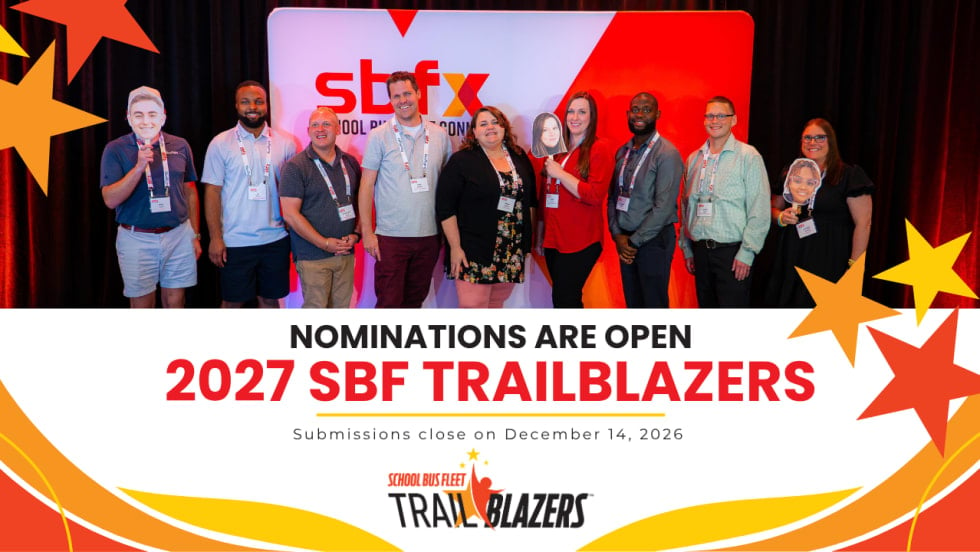
Nominate Rising School Transportation Pros Under 40!
We’re searching for the next generation of leaders making an impact across the K-12 student transportation industry to recognize as SBF’s 2027 Trailblazers. Nominations are open now!
Read More →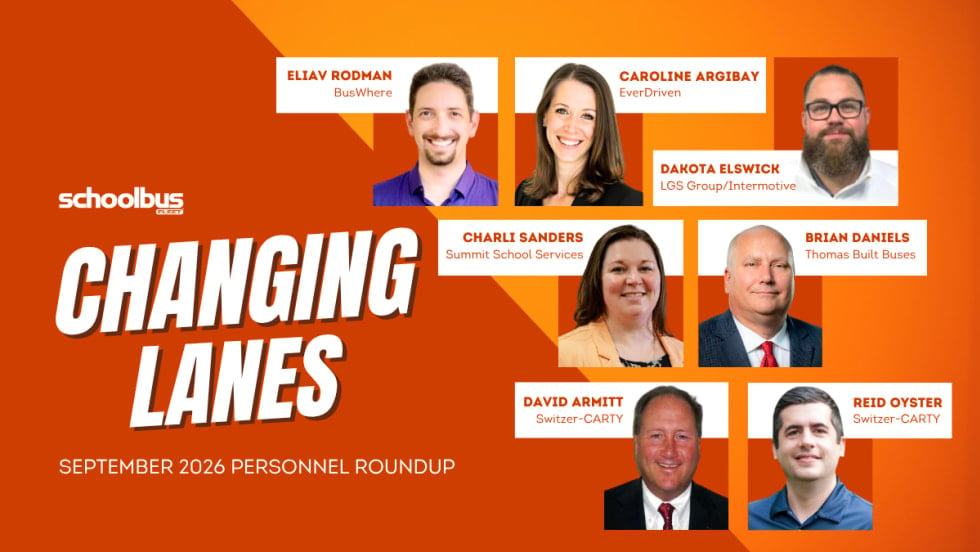
Changing Lanes: BusWhere, EverDriven, InterMotive, Summit School Services, Switzer-Carty & Thomas Built Buses
Check out who's been hired, promoted, and appointed to leadership positions at various school transportation suppliers, contractors, and manufacturers.
Read More →
The Most Expensive Thing You Do Before Selling a School Bus: Wait
When should you sell an aging school bus? Learn how maintenance, mileage, corrosion, specifications, and timing can affect resale value long before the auction.
Read More →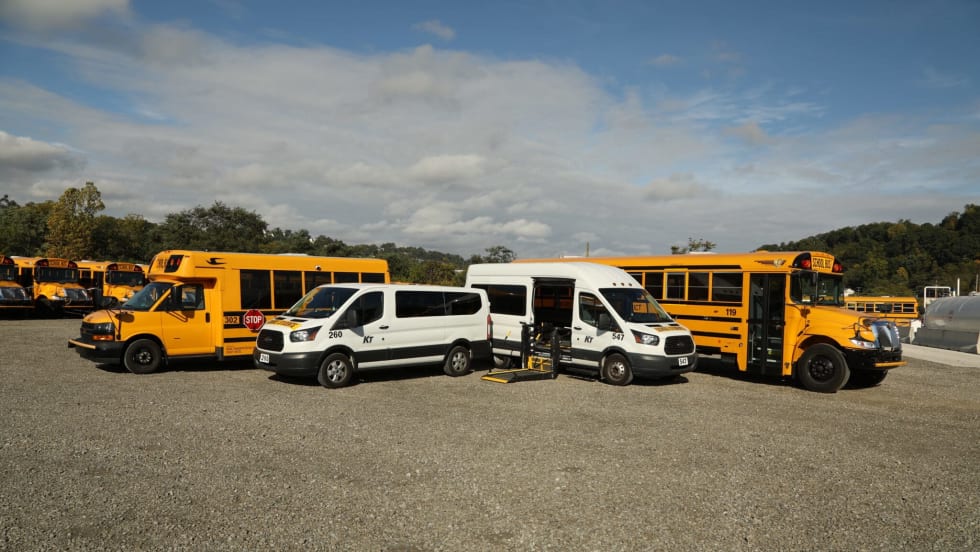
American Student Transportation Partners Acquires AJ Myers and Sons
A new deal brings a 75-year Pennsylvania student transportation provider into one of the nation’s largest private school bus contracting groups.
Read More →
What I Brought Home From SBFX: Relationships, Leadership, and Preparing What's Next
Who could lead your transportation operation tomorrow if you couldn't? Bernando Brown explores succession planning, mentorship, and preparing emerging leaders to step up.
Read More →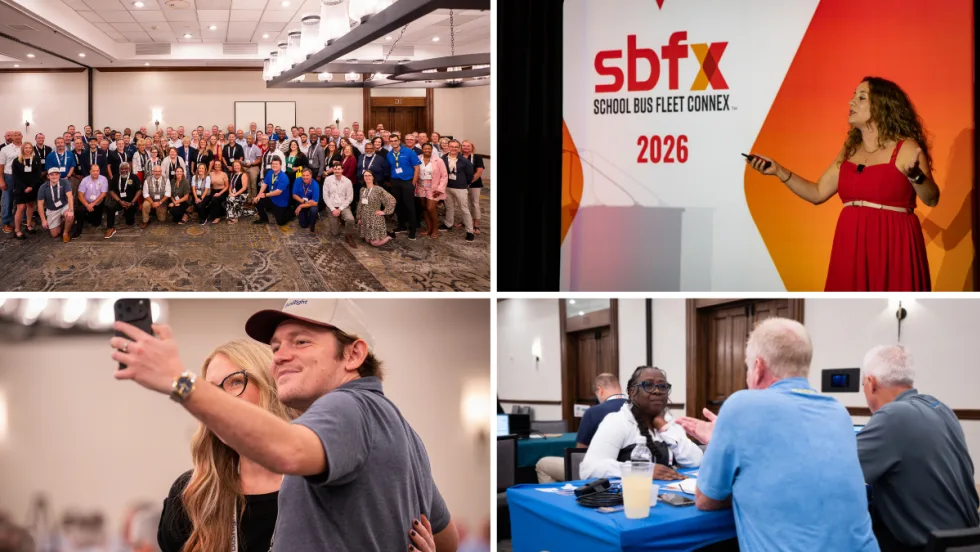
Inside School Bus Fleet ConneX 2026: Industry Leaders Connect in Scottsdale [Photos]
See highlights from SBFX 2026 in Arizona, where school bus operators and suppliers gathered for meetings, education, networking, awards, and more.
Read More →