





WRI: 1,600+ More Electric School Buses Coming to U.S. Districts
EPA Announces $735M in Clean Heavy-Duty Vehicles Funding
In the first-ever round of grant funding, 70 applicants have been tentatively selected to help replace over 2,400 zero-emission heavy-duty vehicles and infrastructure. About 70% of those will be for school buses.
December 20, 2024
The federal funding allows new Class 6 and Class 7 vehicles to be purchased, replacing older ICE vehicles, as part of President Biden’s Inflation Reduction Act and Investing in America Agenda.
Photo: SBF/Canva
4 min to read
On Dec. 11, the EPA announced 70 applicant selections for the first Clean Heavy-Duty Vehicles Grant Program.
Applicants from 27 states, three tribal nations, and one territory were selected. In all, they will receive over $735 million to help purchase over 2,400 zero-emission vehicles.
The program will accelerate the adoption and deployment of eligible Class 6 and 7 zero-emission vehicles by replacing older vehicles powered by internal combustion engines that predate recent EPA emission standards. The grant also funds zero-emission vehicle fueling infrastructure (e.g., electric vehicle charging stations), workforce development, and training.
Approximately 70% of the selections will support the purchase of clean school buses. These projects complement the EPA’s Clean School Bus program through the President’s Bipartisan Infrastructure Law, which has awarded nearly $3 billion for almost 9,000 clean school buses so far.
Some of the selected Clean Heavy-Duty Vehicles Grant Program applicants include:
Boston Public Schools to receive an anticipated $35,079,653 to replace 125 Class 7 heavy-duty diesel and propane school buses with new, zero-emissions electric units, and charging provided by 125 Direct Current Fast Chargers, with advanced load management and sharing capability.
Saint Louis Public Schools to receive an anticipated $10,128,735 to replace 30 Class 6/7 diesel buses with Class 6/7 zero-emission buses. In addition, the district plans to leverage a public-private partnership with Highland Electric Fleets to ensure cost-effective use of EPA funding and successful implementation of the project.
Three districts in Arizona to receive over $7.9 million.
Laveen Elementary School District getting an anticipated $2,840,000 for 10 zero-emission electric school buses, including two ADA-compliant school buses, and five electric chargers for the new buses.
Gila Crossing Community School gettingan anticipated $560,000 to replace two diesel school buses with zero-emission electric models.
Tempe Elementary School District getting an anticipated $4,534,246 for 15 zero-emission electric school buses and twelve electric chargers for the new buses.
Jackson Public Schools in Mississippi receiving $5,383,868 to replace 15 Class 6 & 7 diesel school buses with 15 Class 7 electric school buses and install 10 40-kW Level 3 DCFC charging stations.
Branford Public Schools in Connecticut selected to receive $6,329,215 to purchase 21 zero-emission vehicles.
New York State receiving $125.1 million to assist in the purchase of 263 zero-emission vehicles, including:
Haverstraw-Stony Point CSD (North Rockland CSD): $7,450,380 to replace 15 diesel school buses with zero-emission electric school buses and build charging infrastructure.
Queensbury Union Free School District: $5,810,966 to replace 12 diesel school buses with electric models.
NYC School Bus Umbrella Services, Inc.: $54,945,312 to replace 133 diesel school buses with zero-emission models.
Village of New Square: $26,559,597 to replace 48 diesel school buses with electric buses, install 48 fast chargers, and provide training and outreach to the community.
🔌🚌 It’s electric! @OregonDEQ has been selected to receive $6.5M from @EPA’s Clean Heavy-Duty Vehicles Grant program. DEQ is hard at work converting more of the state’s school buses to a zero-emissions, all-electric fleet! ⚡ #ElectricVehicles#EpaNorthwest#CleanEnergypic.twitter.com/pVmV5z4ynR
— U.S. EPA Region 10 (@EPAnorthwest) December 18, 2024
The EPA says it prioritized disadvantaged communities facing air quality challenges, including non-attainment with EPA’s fine particulate matter and ozone National Ambient Air Quality Standards or high levels of ambient diesel PM. Applications were evaluated on engagement with affected communities, especially local residents, to ensure their meaningful participation with respect to the design, planning, and performance of the project.
The agency will work with selected applicants in the coming weeks to finalize the awards. It anticipates finalizing in early calendar-year 2025, once all legal and administrative requirements are satisfied. Project implementation will occur over the next two to three years, depending on the scope of each project.
Learn more about the program online.
“From zero-emission freight vehicles to clean school buses for kids, the Biden-Harris administration is advancing the next generation of clean transportation that will help reduce pollution and make our nation’s cities and communities healthier,” said White House National Climate Advisor Ali Zaidi. “When paired with our investments in zero-emission port infrastructure and freight corridors, this administration’s sector-wide approach to decarbonizing transportation is delivering economic, social, and environmental benefits to communities in every corner of the country.”
The investments support the Biden-Harris administration’s National Blueprint for Transportation Decarbonization and the National Zero-Emission Freight Corridor Strategy.
According to the EPA, there are over 3 million Class 6 and Class 7 vehicles currently in use across the nation, spanning a variety of vehicle types. Many are older vehicles with higher levels of harmful pollutants like nitrogen oxides, fine particulate matter, and greenhouse gases.
The EPA’s Clean Heavy-Duty Vehicles Grant Program was created by President Biden’s Inflation Reduction Act. It aims to replace existing internal combustion engine heavy-duty vehicles with zero-emission vehicles while also supporting the build-out of clean vehicle infrastructure and worker training. The funding opportunity opened in April.
Additionally, the EPA and the Department of Labor expect to issue a separate grant program designed to strengthen the workforce development ecosystem through curriculum development in order to prepare workers to maintain and repair ZEVs in early 2025.
More Alternative Fuels

CALSTART and Forth Combine to Form Catalyst Mobility
The new name represents a renewed vision for the nonprofit focused on advancing clean, equitable, and affordable transportation solutions that move people and goods.
Read More →
Alt-Fuel Moves: New Buses, Charging Hubs & Real-World EV Testing
Propane and electric school bus deployments continue to grow as districts add new vehicles, expand charging infrastructure, and gather more real-world operating data.
Read More →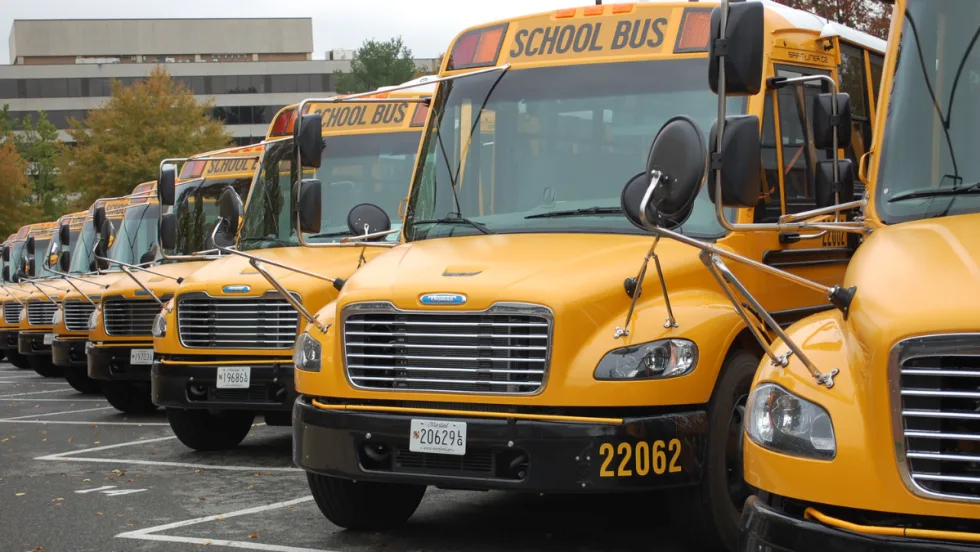
Fewer Electric School Bus Models Reshape the U.S. Market
WRI’s latest buyer’s guide points to a consolidating electric school bus market, but fewer options may reflect a maturing industry rather than fewer meaningful choices for school bus operators.
Read More →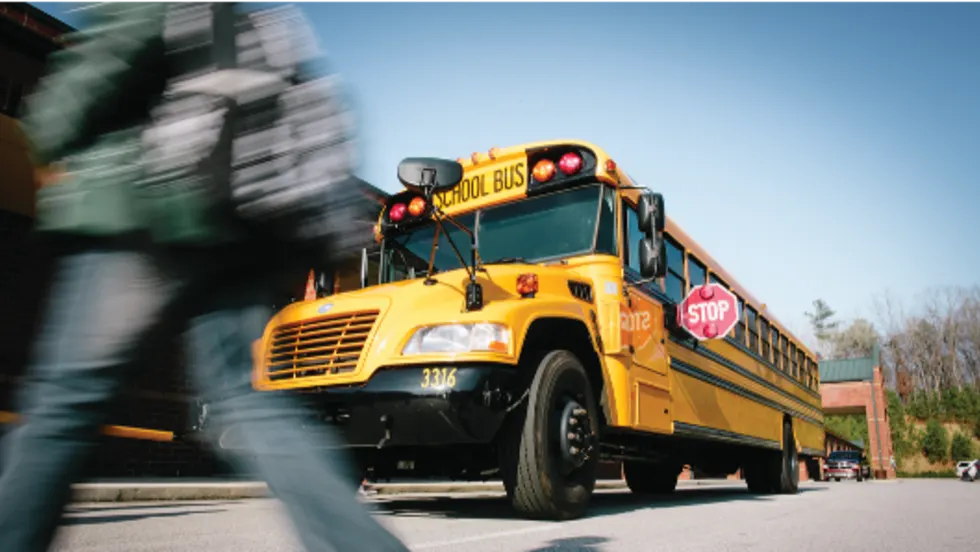
The Fuel Budget You Can Actually Predict: How Propane Autogas Keeps Money in the Classroom
Learn how propane autogas helps school districts manage fuel costs with predictable pricing, lower maintenance, and reduced emissions from former transportation director Joel Stutheit.
Read More →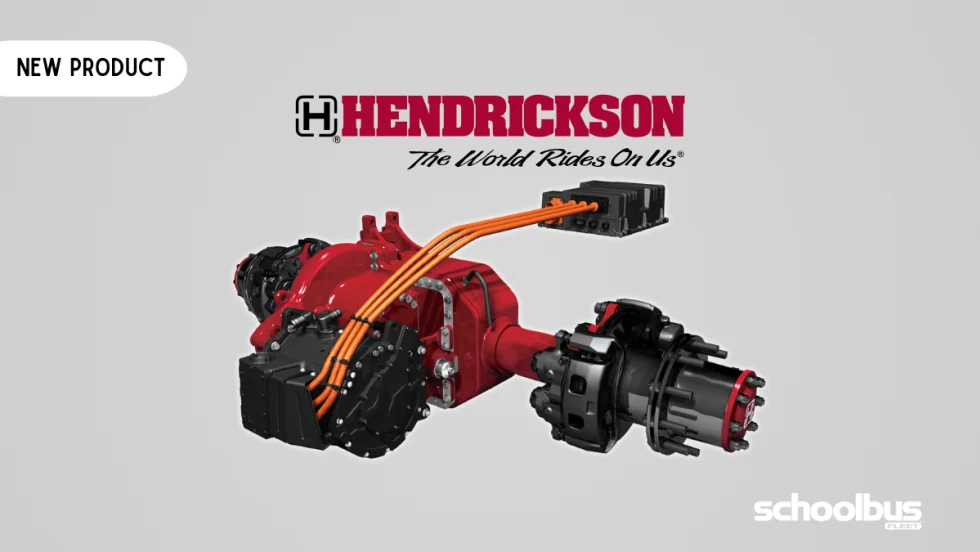
Hendrickson, Driventic Introduce New Electric Powertrain for School Buses
ELECTRAAX, the electrified, lightweight drive axle offers integrated ePowertrain efficiency and modular flexibility for Class 6–7 school bus use.
Read More →
The Mobility House Joins PowerFlex in Fleet Electrification Deal
The acquisition combines intelligent charging software, bidirectional charging expertise, and fleet electrification services to support the growing adoption of electric school buses across North America.
Read More →
Alt-Fuel Moves: Electric School Bus Investments Hit the Road
See which districts across the U.S. are putting electric school buses into service, expanding charging infrastructure, and planning the next phase of fleet electrification.
Read More →
With Fuel Volatility Ahead, School Districts Turn to Propane
While diesel prices peaked above $5 this spring, districts with propane autogas-powered fleets paid under $2 per gallon, according to PERC.
Read More →
EPA Unveils Proposed Changes to 2027 Heavy-Duty Engine Rules
The federal agency has proposed changes to next year’s targets that would eliminate DEF derates, ease warranty requirements, and retain current NOx emissions standards.
Read More →
Alt-Fuel Moves: EV Charging & Infrastructure Projects Gain Momentum
The latest developments include new funding, charging infrastructure, utility investments, and fleet technologies designed to support the transition to electric school buses nationwide.
Read More →