




More Reflections: From Intent to Impact: What I Learned About Leadership from TAPT
What I Brought Home From SBFX: Relationships, Leadership, and Preparing What's Next
Who could lead your transportation operation tomorrow if you couldn't? Bernando Brown explores succession planning, mentorship, and preparing emerging leaders to step up.
by Bernando Brown, DeKalb County Schools
September 29, 2026
At SBFX 2026, Georgia's Bernando Brown took the stage to challenge the audience to think about succession planning in a whole new light.
Credit:
School Bus Fleet
9 min to read
When School Bus Fleet invited me to Scottsdale, Arizona, for School Bus Fleet ConneX, I knew I was going there to present. What I didn't expect was how much I would bring home from the experience myself.
I've attended a lot of conferences over the years, both as an attendee and presenter, and each has its own feel. SBFX was different. It was smaller and more intentional, and that gave people time to actually talk.
Some of my best conversations happened over breakfast, between sessions, during meals, or just standing around talking with someone I met earlier in the day. It wasn't simply shaking hands, exchanging business cards, and moving on. We talked about our operations, what we were struggling with, what was working, and what we were learning.
For me, that's where networking becomes valuable. It isn't about how many contacts you collect.; it's about the relationships you build and what you learn from people who understand the work.
That was one of the things I appreciated most about SBFX.
School Bus Fleet invited me to help fill a speaker vacancy. I appreciated the opportunity, although I wasn't completely sure how the title of my presentation would be received: "The Leadership Pipeline: Why Every Transportation Director Should Be Replacing Themselves."
If you're a transportation director, you may read that title and think, "Why would I want to replace myself?"
That was exactly the point.
I wasn't telling directors to prepare to leave their jobs. I wanted us to think about whether we are preparing our organizations to keep moving when we're not there.
One Question Changed the Room
The room was full that morning, and I could tell people were engaged. They responded to questions, laughed at the jokes, and raised their hands when I asked them to participate.
"If you did not report to work tomorrow, who could lead your transportation operation?"
The room got quiet.
People looked around. A few laughed nervously. Others started writing. From the front of the room, I could tell the question caught people off guard. It seemed like many had never really been asked to look at their operation that way.
That moment stayed with me.
Transportation people understand readiness. We prepare for driver shortages, bus breakdowns, uncovered routes, bad weather, technology problems, and emergencies. We have contingency plans.
But what about leadership readiness?
If the director isn't there tomorrow, who leads? If an operations manager is suddenly unavailable, who makes the decisions? If someone who has been doing a particular job for 20 years leaves, who knows what that person knows?
Those questions shouldn't be answered for the first time after someone leaves.
I told the audience: "A vacancy does not create a leadership pipeline problem. A vacancy reveals the leadership pipeline problem that was already there."
I believe that. A resignation, retirement, or promotion doesn't suddenly make an organization vulnerable. It exposes a vulnerability that was already there.

SBFX brought together operators and vendors in a small group to talk about challenges and potential solutions. But it also helped attendees learn from each other.
Credit:
Nick Minton/School Bus Fleet
I Realized It Was Bigger Than School Districts
One thing I didn't expect from SBFX was how broadly this message applied.
After my presentation, several people stayed to talk. I pay attention to that. At a conference, people usually have somewhere else to be. When they stay behind or find you later because they want to continue the conversation, you know something connected with them.
One of the sponsor representatives approached me and said he could see using the Leadership Pipeline concept in his own company. We talked several times afterward. He came back with additional questions because he was thinking through how the same ideas could work in his organization.
That also got my attention.
We talked about what happens when key people aren't available. Sometimes decisions slow down or work gets put on hold because nobody else has been trained or given enough authority.
I spent more than 20 years in the Army, and one lesson has stayed with me: The mission cannot stop because one person isn't there. Somebody else has to know the job and be prepared to step forward.
I carry that mindset into transportation.
"If every important decision requires you, you have built dependency, not leadership."
That doesn't mean leaders shouldn't be involved. It means part of our responsibility is preparing and trusting other people to make decisions, too.
This Conversation Didn't Start at SBFX
As I thought about what happened in Scottsdale, I realized SBFX was really the next step in a leadership conversation I've been having for some time.
Earlier this year, School Bus Fleet published How School Bus Operators Can Grow Internal Talent, which included my NAPT presentation, Developing Leaders Behind the Wheel: Growing Internal Talent in Transportation.
The message was simple: Before automatically looking outside the organization for the next leader, look closely at the people already showing up every day.
Leadership potential may be behind the wheel of a school bus right now. It may be in dispatch, routing, training, fleet, or somewhere else in the operation. These employees already understand our students, schools, communities, and daily challenges. Some simply haven't been given an opportunity to show what else they can do.
That's why I believe we have to look beyond titles. Watch who takes initiative. Pay attention to how people communicate and handle pressure. Notice who other employees trust and who steps forward when something goes wrong.

"We can't wait until someone accepts another position or announces a retirement before we start asking who is next. By then, we're reacting to a vacancy instead of preparing for one." — Bernando Brown
Credit:
Nick Minton/School Bus Fleet
In June, I continued that conversation in my School Bus Fleet article, Building Leaders Who Last: Creating a Successful Mentorship Program in Student Transportation.
That article moved the conversation from identifying potential to developing it.
I've never believed we can simply pair an experienced employee with an emerging leader, tell them to work together, and call that mentorship. Development needs purpose. People need coaching, exposure to real operations, opportunities to take responsibility, and honest feedback.
SBFX brought me to the next question:"Are the people we're developing actually prepared to lead when we need them?"
That's the connection I see between internal talent development, mentorship, and succession planning. First, we recognize potential. Then we develop it. Finally, we have to prepare people to step forward.
My Own Career Shaped How I See This
This subject is personal to me because I didn't start in student transportation as a director.
I started as a substitute school bus driver in 2008. From there, I became a driver, worked in dispatch, became a dispatch supervisor, moved into regional transportation management and eventually became a director.
Each job taught me something different. Driving taught me transportation from behind the wheel. Dispatch showed me a bigger picture of the operation. Supervision meant becoming responsible for people, not just my own work. Management required me to grow again.
I didn't begin that journey knowing where it would eventually take me. There were experiences that prepared me along the way, and there were people who gave me opportunities.
That's one reason I believe so strongly in looking for potential inside our own operations.
Our next supervisor may be driving a bus today. Our next manager may be working in dispatch. Someone who could eventually become a transportation director may already be somewhere in the operation without realizing where their career could take them.
As leaders, we have to be willing to see that potential. Then we have to do something with it.
More Work Is Not Always Development
One point I emphasized at SBFX is that giving someone more work isn't necessarily the same as developing them.
If I'm busy and hand an employee another report to complete, I've given that person more work. It may help me, but it doesn't automatically help that employee become a better leader.
Development looks different.
Give the employee the information and ask what they see. Ask what they believe the problem is and what they recommend. Let them brief the team. When appropriate, give them the authority to carry out the decision. Then sit down afterward and talk about what worked, what didn't, and what they would do differently.
"Promotion without preparation is not development. Sometimes it is abandonment with a new title."
I've seen organizations promote technically strong employees and then expect them to automatically know how to lead people. Those are different skills.
If we see leadership potential, give that person opportunities before the promotion. Let them run a meeting, lead a project, participate in a budget discussion, take part in an after-action review or brief senior leadership. Let them make appropriate decisions.
They won't get everything right. That's OK. Coach them. Talk through the decision. Let them learn from it. Don't immediately take the responsibility back because they made a mistake.
Mentorship has to work the same way. Listening and sharing experience matter, but eventually the emerging leader has to lead.
What Does Leadership Leave Behind?
When I think about my responsibility as a director, I don't want the operation to be successful only when I'm sitting in the chair.
While reflecting on the presentation, I was asked to finish this statement: "A transportation director who refuses to develop the person who could replace them is..."
My answer came quickly:"Failing their team."
Leadership isn't about protecting a title or making sure nobody else knows what you know. If somebody on my team becomes capable of doing what I do, I don't see that person as a threat; instead, I see it as development working.
Preparing somebody doesn't mean creating another version of yourself. I don't need the next leader to think exactly like I think or make every decision exactly the way I would.
I want them to understand the mission and the standards. I want them to know the operation, use sound judgment, know how to lead people, and have enough experience to make decisions when the answer isn't obvious.
Then I have to trust them.
Five years from now, I would like leadership development to be a normal part of student transportation, not something we suddenly discuss when a position opens. Employees should be able to see a future in this industry. Supervisors and managers should understand that developing other people is part of their job. Directors should be thinking about who comes behind them long before a retirement letter is submitted.
What I Brought Home from SBFX
The size and format of SBFX reminded me of the value of having time to really talk with people. The conversations showed me that school districts, contractors, and vendors may operate differently, but many of us are dealing with the same leadership questions.
My presentation reinforced something I already believed: There are good people throughout student transportation who want opportunities to grow. Our responsibility is to recognize that potential, invest in those people, and give them opportunities to lead before we're forced to fill a vacancy.
Find the potential already in your organization. Develop it. Give people real opportunities to lead. Coach them through mistakes. Prepare them before you need them.
For me, it comes back to something I've said many times:"Leadership is like a relay race. It is our responsibility to pass the baton better than we received it."
Every one of us will eventually pass that baton. Our responsibility isn't only to run our part of the race well. We also have to make sure somebody is ready to take it from us.
About the Author: Bernando C. Brown, CDPT, is director of student transportation for DeKalb County School District in Georgia and a U.S. Army veteran. He began his student transportation career as a substitute school bus driver and progressed through driver, dispatch, supervisory, and management roles before becoming director. His leadership work focuses on mentorship, professional growth, operational readiness, and developing the next generation of student transportation leaders.
This article was authored and edited according to School Bus Fleet editorial standards and style. Opinions expressed do not necessarily reflect that of SBF or Bobit Business Media.
Subscribe to Our Newsletter
More Management
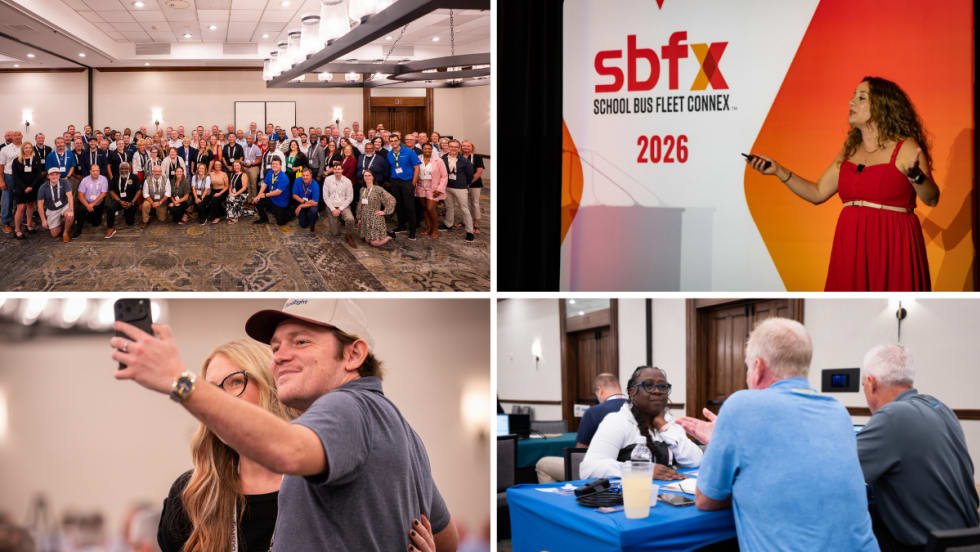
Inside School Bus Fleet ConneX 2026: Industry Leaders Connect in Scottsdale [Photos]
See highlights from SBFX 2026 in Arizona, where school bus operators and suppliers gathered for meetings, education, networking, awards, and more.
Read More →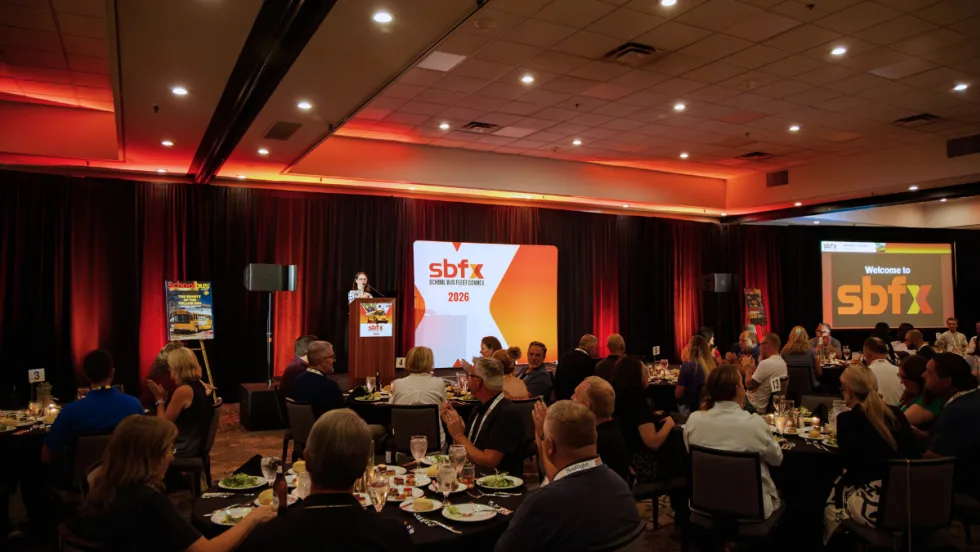
School Transportation’s Biggest Pressures and Opportunities: SBFX Attendees Weigh In
School bus operators point to rising costs, staffing, and vehicle prices as immediate pressures while identifying technology, training, and routing as opportunities for growth.
Read More →
STA Acquires Sunrise Transportation
Student Transportation of America expands in Illinois and Connecticut through Sunrise's fleet of nearly 1,000 vehicles.
Read More →


EPA Opens $180M DERA Funding Round for Diesel Upgrades
The 2026 Diesel Emissions Reduction Act program seeks applications from eligible organizations to accelerate the retirement of legacy diesel vehicles.
Read More →
HopSkipDrive’s CareEngine Targets the ‘Exceptions’ in Student Transportation
The new platform works alongside districts’ existing transportation management systems to coordinate specialized rides, automate last-minute changes, and turn ride data into operational improvements.
Read More →
The Right Ride for Every Student: Navigating the New Student Transportation Ecosystem
How should districts blend school buses with small-vehicle transportation and other options? EverDriven CEO Mitch Bowling discusses safety, costs, partnerships, and strategy.
Read More →
Annette Brown Always Takes the Extra Time: Meet Our 2026 School Bus Driver Hero
For more than 30 years, the Wa-Nee Community Schools driver has treated students like family, combining safety, compassion, and servant leadership to make a lasting difference on and beyond the school bus.
Read More →
How to Build a Better Driver Training Program
Ready to boost up your school bus instructor training? Here’s how to pick the right talent and improve recruitment, retention, and safety.
Read More →
CALSTART and Forth Combine to Form Catalyst Mobility
The new name represents a renewed vision for the nonprofit focused on advancing clean, equitable, and affordable transportation solutions that move people and goods.
Read More →
What Makes a Great School Bus Driver Trainer?
Choosing the right school bus driver trainer takes more than experience. Learn six keys to selecting and developing trainers and evaluating program effectiveness.
Read More →