




Made in America Footprint: Electric Impact on the Way
Lion Electric Q3 Financial Report: More Vehicles, More Revenue
The company delivered 156 vehicles, up 116 compared to the same period last year, with $41 million in reported revenue.
by SBF Staff
November 10, 2022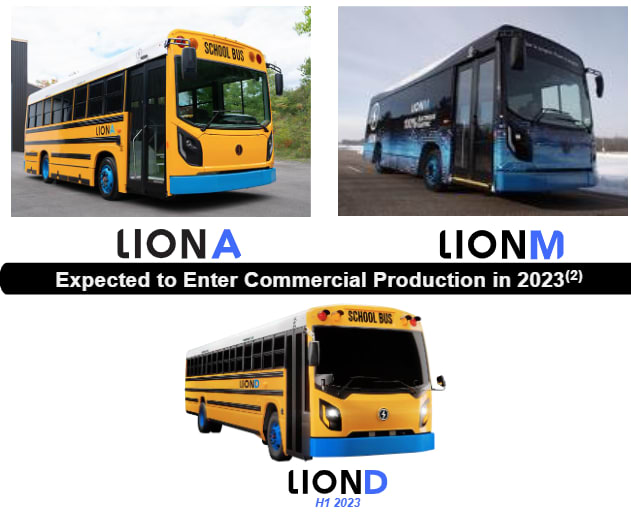
In 2023, Lion Electric plans to start producing the LionA Type A school bus and the LionD Type D school bus. Depending on customer demand, the company may also start building LionM transit shuttle buses.
Image: Lion Electric
3 min to read
The Lion Electric Company (NYSE: LEV), maker of all-electric medium and heavy-duty vehicles, announced operating results for the third quarter of fiscal year 2022, which ended Sept. 30.
The company held an investor call on Nov. 10. Highlights included:
Delivery of 156 vehicles, up 116 compared to the same period last year.
Revenue of $41 million, increased $29.1 million from the same period last year.
Capital expenditures of $29.4 million, up from $5 million in Q3 2021, largely due to the new manufacturing facility in Joliet, Ill., and the Lion Campus.
Net loss of $17.2 million compared to net earnings of $123 million.
On Nov. 9, Lion Electric announced closing an agreement for a new credit facility for Lion – up to $30 million CAD - funded by Finalta Capital, one of Canada’s largest private debt funds, and CDPQ, a global investment group.
“With growing demand and fleet owners wishing to make the transition toward electric vehicles, this new credit facility provides an additional tool to finance our activities at a critical moment in our growth,” said Marc Bedard, Lion Electric founder and CEO, in a news release. “In North America, the transportation industry is one of the leading emitters of greenhouse gases, making it essential to electrify medium- and heavy-duty transportation as part of the fight against climate change. This provides an unprecedented opportunity for a company like Lion.”
“Lion’s industry is undergoing extensive transformation toward the adoption of green transportation in North America,” said Marc Cormier, executive vice president and head of fixed income at CDPQ. He described Lion as “an important player in sustainable mobility.”
Looking ahead to 2023, the company expects to kick off production of a new LionA Type A school bus and LionD Type D school bus. The company is also considering when to start production of a LionM transit shuttle bus, which will leverage the LionA platform contingent on customer demand.
Company officials reported more than 800 Lion vehicles on the road, with more than 10 million miles driven. The order book currently consists of 2,408 all-electric medium- and heavy-duty urban vehicles, including 323 trucks and 2,085 buses, representing a combined estimated value of about $575 million.
Lion Electric helped dozens of school districts apply for funding under the Environmental Protection Agency’s Clean School Bus Program. That’s already resulted in 49 new school bus purchase orders, with more expected before the April purchase deadline.
Said Bedard: “For the fourth quarter in a row, we delivered a record number of vehicles in the history of Lion. This proves that the switch to electrification is happening, today. As we are nearing the start of commercial production at both our U.S. manufacturing facility and our battery plant, we are excited by these important milestones, which represent a major step forward in our growth strategy.”
More Alternative Fuels

CALSTART and Forth Combine to Form Catalyst Mobility
The new name represents a renewed vision for the nonprofit focused on advancing clean, equitable, and affordable transportation solutions that move people and goods.
Read More →
Alt-Fuel Moves: New Buses, Charging Hubs & Real-World EV Testing
Propane and electric school bus deployments continue to grow as districts add new vehicles, expand charging infrastructure, and gather more real-world operating data.
Read More →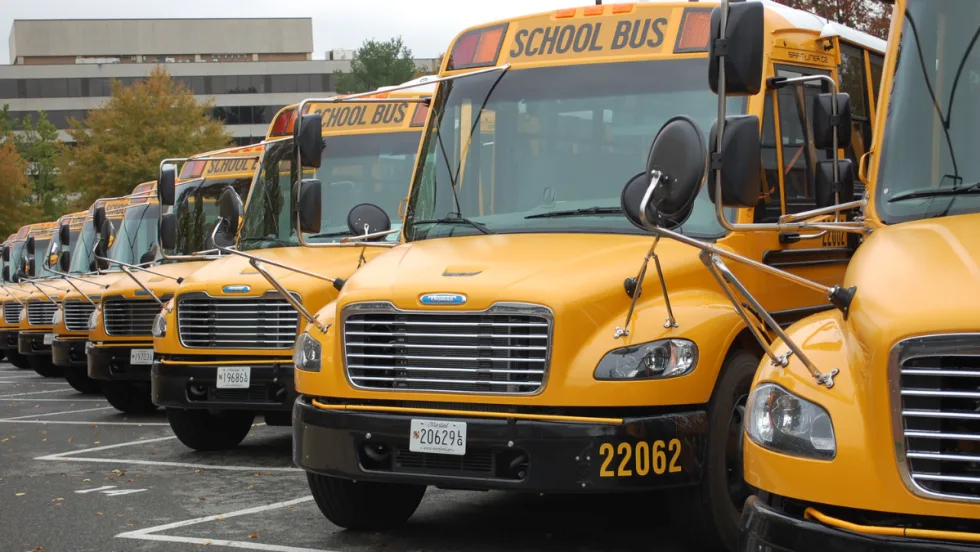
Fewer Electric School Bus Models Reshape the U.S. Market
WRI’s latest buyer’s guide points to a consolidating electric school bus market, but fewer options may reflect a maturing industry rather than fewer meaningful choices for school bus operators.
Read More →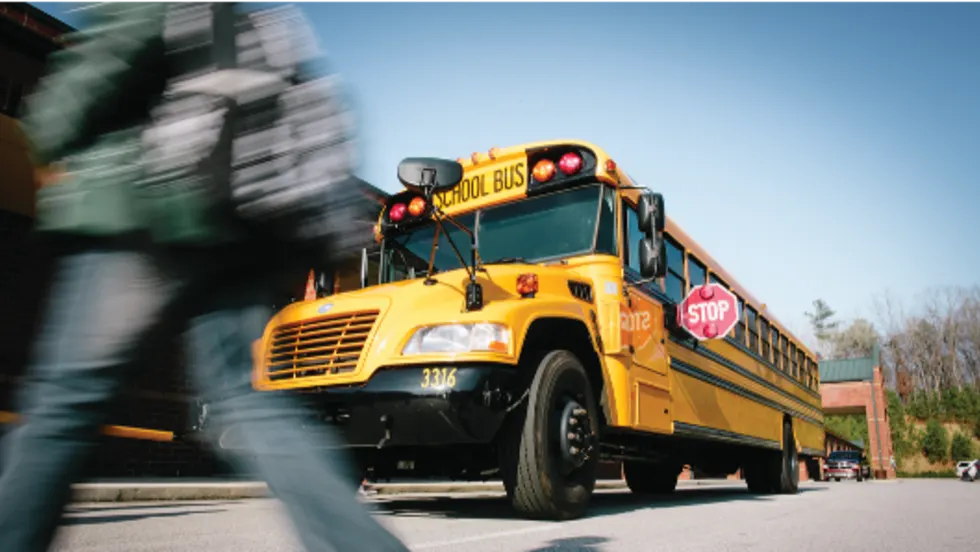
The Fuel Budget You Can Actually Predict: How Propane Autogas Keeps Money in the Classroom
Learn how propane autogas helps school districts manage fuel costs with predictable pricing, lower maintenance, and reduced emissions from former transportation director Joel Stutheit.
Read More →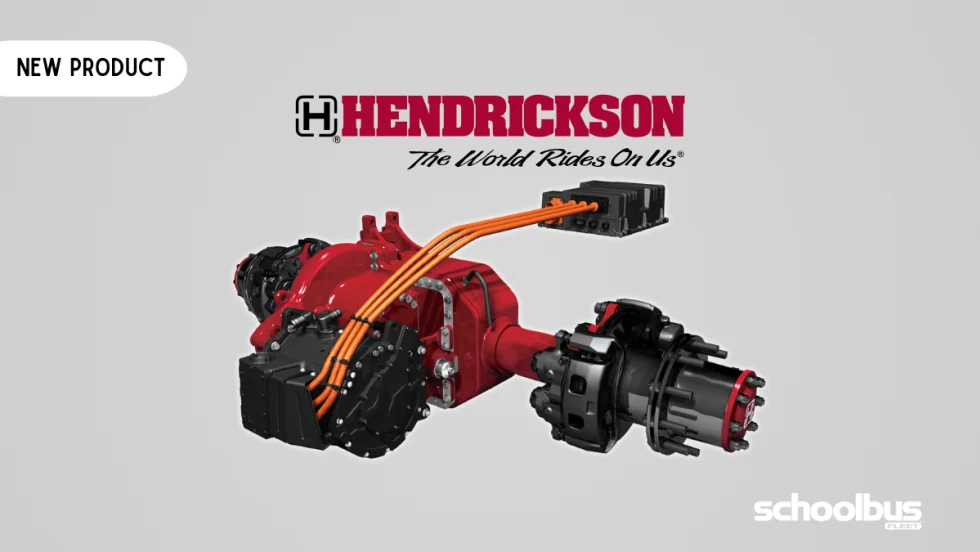
Hendrickson, Driventic Introduce New Electric Powertrain for School Buses
ELECTRAAX, the electrified, lightweight drive axle offers integrated ePowertrain efficiency and modular flexibility for Class 6–7 school bus use.
Read More →
The Mobility House Joins PowerFlex in Fleet Electrification Deal
The acquisition combines intelligent charging software, bidirectional charging expertise, and fleet electrification services to support the growing adoption of electric school buses across North America.
Read More →
Alt-Fuel Moves: Electric School Bus Investments Hit the Road
See which districts across the U.S. are putting electric school buses into service, expanding charging infrastructure, and planning the next phase of fleet electrification.
Read More →
With Fuel Volatility Ahead, School Districts Turn to Propane
While diesel prices peaked above $5 this spring, districts with propane autogas-powered fleets paid under $2 per gallon, according to PERC.
Read More →
EPA Unveils Proposed Changes to 2027 Heavy-Duty Engine Rules
The federal agency has proposed changes to next year’s targets that would eliminate DEF derates, ease warranty requirements, and retain current NOx emissions standards.
Read More →
Alt-Fuel Moves: EV Charging & Infrastructure Projects Gain Momentum
The latest developments include new funding, charging infrastructure, utility investments, and fleet technologies designed to support the transition to electric school buses nationwide.
Read More →