





Check Out: 21 Tips for Preventing School Bus Accidents
The School Bus Safety Company Revamps CDL Training Course
The new interactive video-based training course reduces training time.
September 22, 2022
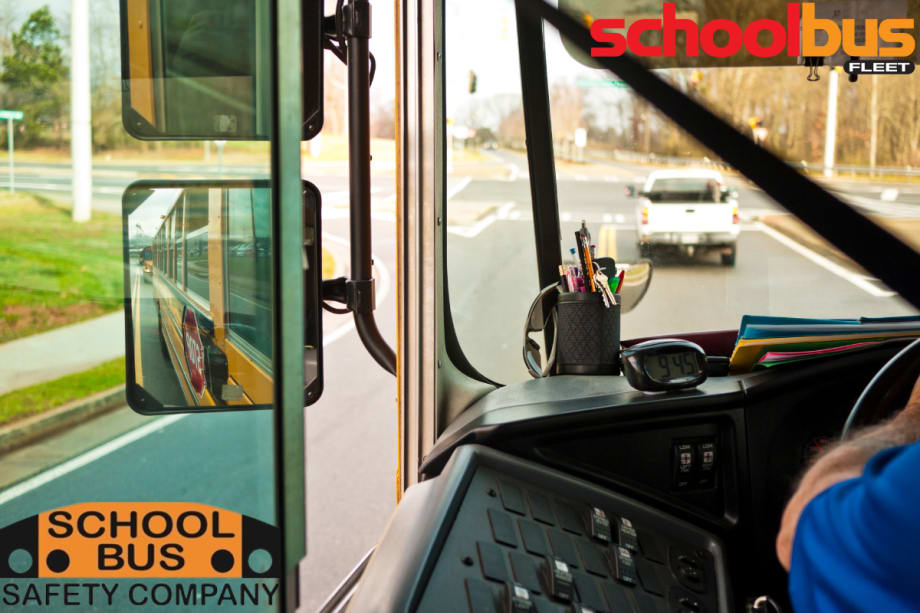
The School Bus Safety Company's updated CDL training course includes 16 practice tests totaling more than 400 questions, presented in the same way the DMV testing is presented.
Photo: Canva/School Bus Safety Company/School Bus Fleet
2 min to read
The School Bus Safety Company (SBSC) announced it has updated and recreated its training course aimed at helping applicants pass the Commercial Driver’s License (CDL) written test. The updated version is an interactive, video-based course.
Jeff Cassell, president of SBSC, said one major hurdle in hiring enough drivers is helping them pass the CDL written test.
Changes to the CDL Training Course
"This updated course will reduce the number of applicants lost due to the complexity of passing the CDL written test. It can take up to 20 hours of study for an applicant to pass this test and it is challenging and hard work. Consequently, many applicants drop out at this stage," Cassell explained. "With our new interactive video-based training course, we have reduced this training time to less than seven hours and made it far easier to learn.”
SBSC's original course was created more than seven years ago, and the company saw ways it could improve the course to make it more successful, Cassell said in a press release.
The company also updated the practice test questions to reflect the current testing. As trainees go through the training, they are repeatedly questioned on the subjects taught and corrected if they answer any questions wrong. In addition to the practice tests, questions are asked throughout the programs to help reinforce the required knowledge. Then, final practice tests prepare the trainee to pass the final exam.
The program includes 16 practice tests totaling more than 400 questions, presented in the same way the DMV testing is presented. After each test, the trainee is told their score, and has the ability to review the test, identifying where they may have answered questions incorrectly.
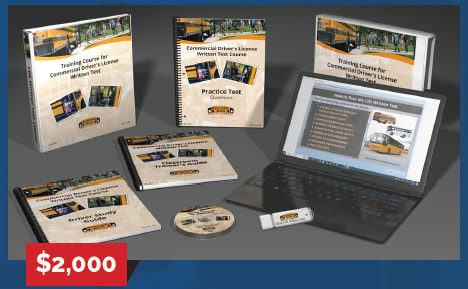
The course is available in hard copy on a USB flash drive or DVD, and contains nine interactive programs together with a trainer’s guide, a driver’s study guide, and a book of practice tests. It's also available over the web through a learning management system.
Photo: School Bus Safety Company
The course is available in hard copy on a USB flash drive or DVD, and contains nine interactive programs together with a trainer’s guide, a driver’s study guide, and a book of practice tests. The course is also available over the web through a learning management system.
"Driver shortages are a major issue for most districts and contractors. If we can help train more applicants into successful drivers, we will reduce this problem," Cassell said.
More Safety

How to Build a Better School Bus Driver Training Program
Is it time to strengthen your driver training? Here’s how to pick the right talent and improve recruitment, retention, and safety. This video is brought to you by IC Bus.
Read More →
Recent School Bus Accidents Leave 2 Dead, 2 Injured
Four school bus crashes in Florida, Illinois, and Georgia highlight risks in transportation lots, at bus stops, and during student loading and unloading.
Read More →
Sponsored•September 8, 2026
When Every Second Matters, Clarity Keeps Routes Moving
From routine delays to urgent incidents, strong communication practices help drivers, dispatchers, schools, and families respond with confidence.
Read More →

What Happens When a School Bus Catches Fire — and What Can Help
School bus fires are rare but can be devastating. Learn how advances in fire suppression and asset protection help fleets detect fires earlier, reduce damage, and improve safety.
Read More →
Geotab Launches Tool to Help Fleets Investigate Road Incidents
Geotab Investigations combines telematics data, video, documents, and other evidence to help fleets reconstruct incidents, resolve claims, and determine what happened.
Read More →
Texas Sixth Grader Wins 2026 National School Bus Safety Poster Contest
Sai Darshana Yekolu of Moseley Middle School in Prosper, Texas, was named the newest winner for her artwork, bringing the theme of “Safe Rides, Everyday Heroes” to life.
Read More →
Sponsored•August 27, 2026
Doing More With Less: How Transportation Directors Can Prioritize Safety Amid Budget Uncertainty
With diesel prices soaring and nearly one-third of transportation directors expecting budget cuts, maintaining student safety has never been more challenging. Download this guide to learn how leading districts are prioritizing risk, funding critical safety technology, and building stronger budget cases with data.
Read More →
Walton County Schools Adds Gatekeeper Stop-Arm Enforcement System
The Florida district will deploy Gatekeeper’s updated Student Protector technology, which now incorporates AI to improve video evidence.
Read More →
How To Build a More Secure School Bus Yard During and After Hours
As thefts and overnight security threats continue, school transportation leaders are combining stronger operational practices with AI-enabled surveillance to better protect buses, facilities, and staff.
Read More →
FMCSA Names New Chief Safety Officer: What School Bus Operators Should Know
Steve Dowling is set to lead the federal agency's efforts to advance commercial motor vehicle safety and reduce crashes, fatalities, and injuries on the nation's roadways.
Read More →