





Read About: California Budget Proposal Could Fund 5,000 Electric School Buses
Zum Rolls Out First Electric School Buses
Six buses were deployed across the San Francisco Bay area. The company also announced it secured two grants for more than 35 EV buses for the Oakland Unified School District.
March 3, 2022
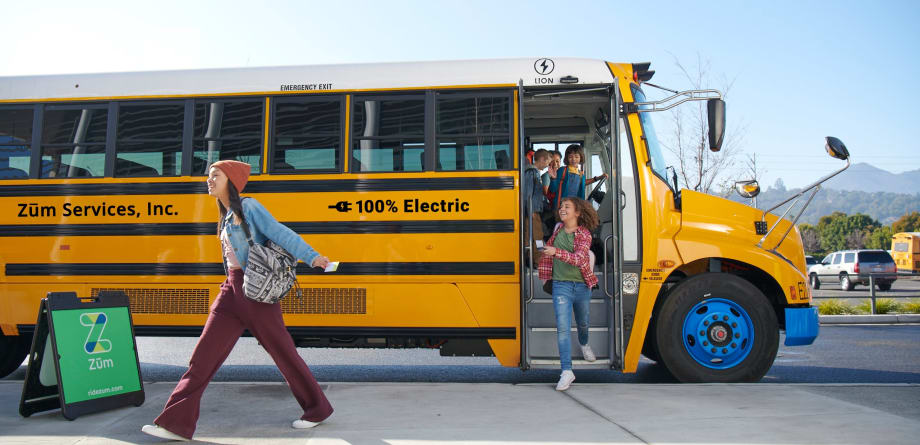
Zum deployed six LionC electric school buses from Lion Electric across the San Francisco Bay area.
Photo: Zum
3 min to read
Zum, a student transportation company, announced its first electric school buses hit the road today, transporting students across the San Francisco Bay Area. The company deployed six LionC electric school buses from Lion Electric, a manufacturer of zero-emission medium and heavy-duty vehicles.
The buses are running across San Francisco Unified School District (SFUSD), Oakland Unified School District (OUSD), Menlo School, and Nueva School.
Zum also announced that it secured two grants for more than 35 EV buses, which will allow it to build out the electric school bus ecosystem for OUSD faster than initially expected. As a result, the company expects to serve 50% of the district's transportation with electric school buses by the end of the 2022-2023 school year.
“This marks an important point in our journey to lead the student transportation industry toward a zero-emission future,” said Ritu Narayan, CEO and founder of Zum. “The U.S. school bus fleet
is double the size of all other mass transit combined and is a major contributor to the nation’s carbon emissions. Our aim to make Zum’s entire fleet electric by 2025 is rooted in creating a
safer, healthier and more sustainable planet for all.”
“We’re proud to have a partner in Zum who matches the district's commitment of making the environment and communities our students live in cleaner and healthier,” said Kimberley Raney,
executive director of procurement, transportation, and warehouse for OUSD. The addition of the first Zum bus at OUSD, as well as the grants for the initial buses, will aid in the school transportation fleet's transition to electric, and reach zero emission for half of the district transportation in the coming year.
Over 90% of the nation’s 500,000 school buses run on diesel and emit 8.4 million metric tons of greenhouse gas annually -- equivalent to the annual energy use of more than one million
homes, according to a press release from Zum.
The LionC school buses can travel up to 125 miles on a single charge without the harmful particulate pollutants, greenhouse gas emissions, and noise pollution generated by diesel school buses. Electric school buses also offer districts and operators significant savings, with up to 60% reduced maintenance costs and 80% reduced energy costs, according to Zum. Each bus can eliminate up to 23 tons of greenhouse gas emissions each year. Zum provided charging stations at each of the schools receiving an electric bus while it works with local partners to build out a comprehensive charging infrastructure.
“Zero-emission school buses are pivotal in the transition to a zero-emission transportation sector, and offer significant health benefits to our children and communities,” said Brian Piern, chief commercial officer at Lion Electric. “We are proud to play a part in this transition to a greener student transportation future through Zum’s work with Bay Area school districts and beyond and look forward to working together to put more buses on California roads.”
Each bus is equipped with the Zum platform, which provides drivers with real-time route updates, helps districts manage daily operations, and gives families visibility and personalized updates about their children. Through its cloud-based technology and multi-modal approach, Zum delivers additional fleet efficiency and optimization which make widespread adoption of electric buses possible, according to the press release.
More Alternative Fuels

CALSTART and Forth Combine to Form Catalyst Mobility
The new name represents a renewed vision for the nonprofit focused on advancing clean, equitable, and affordable transportation solutions that move people and goods.
Read More →
Alt-Fuel Moves: New Buses, Charging Hubs & Real-World EV Testing
Propane and electric school bus deployments continue to grow as districts add new vehicles, expand charging infrastructure, and gather more real-world operating data.
Read More →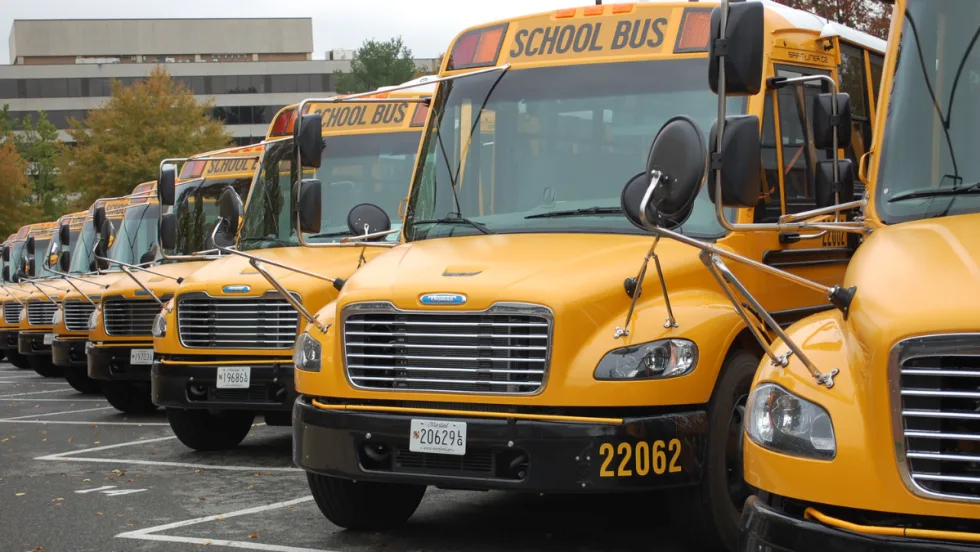
Fewer Electric School Bus Models Reshape the U.S. Market
WRI’s latest buyer’s guide points to a consolidating electric school bus market, but fewer options may reflect a maturing industry rather than fewer meaningful choices for school bus operators.
Read More →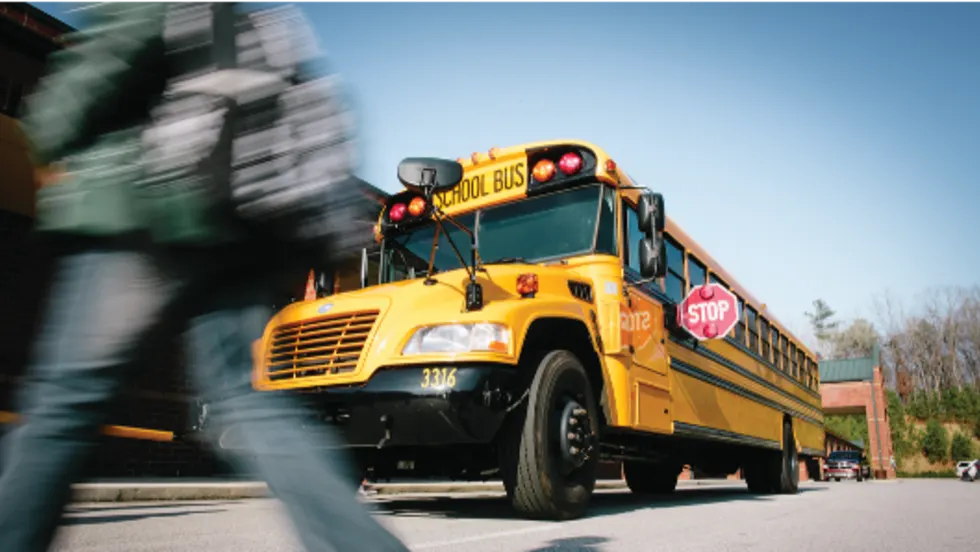
The Fuel Budget You Can Actually Predict: How Propane Autogas Keeps Money in the Classroom
Learn how propane autogas helps school districts manage fuel costs with predictable pricing, lower maintenance, and reduced emissions from former transportation director Joel Stutheit.
Read More →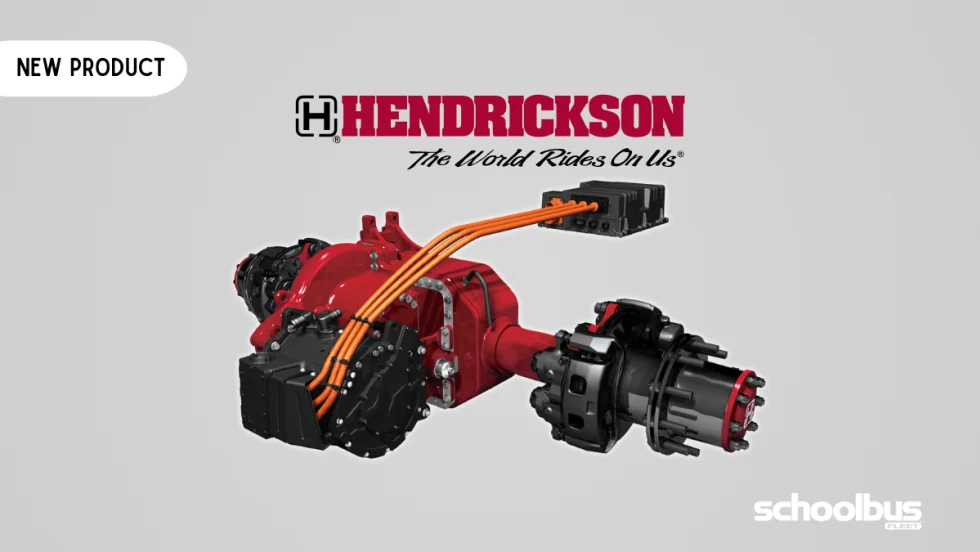
Hendrickson, Driventic Introduce New Electric Powertrain for School Buses
ELECTRAAX, the electrified, lightweight drive axle offers integrated ePowertrain efficiency and modular flexibility for Class 6–7 school bus use.
Read More →
The Mobility House Joins PowerFlex in Fleet Electrification Deal
The acquisition combines intelligent charging software, bidirectional charging expertise, and fleet electrification services to support the growing adoption of electric school buses across North America.
Read More →
Alt-Fuel Moves: Electric School Bus Investments Hit the Road
See which districts across the U.S. are putting electric school buses into service, expanding charging infrastructure, and planning the next phase of fleet electrification.
Read More →
With Fuel Volatility Ahead, School Districts Turn to Propane
While diesel prices peaked above $5 this spring, districts with propane autogas-powered fleets paid under $2 per gallon, according to PERC.
Read More →
EPA Unveils Proposed Changes to 2027 Heavy-Duty Engine Rules
The federal agency has proposed changes to next year’s targets that would eliminate DEF derates, ease warranty requirements, and retain current NOx emissions standards.
Read More →
Alt-Fuel Moves: EV Charging & Infrastructure Projects Gain Momentum
The latest developments include new funding, charging infrastructure, utility investments, and fleet technologies designed to support the transition to electric school buses nationwide.
Read More →