

5 Questions: Vic Shao on Growing Demand, Challenges for Electric Vehicle Infrastructure
U.S. Congress Sends Infrastructure Bill to President
The legislation, long delayed, includes $5 billion for electric and other zero-emission school buses.
by SBF Staff
November 6, 2021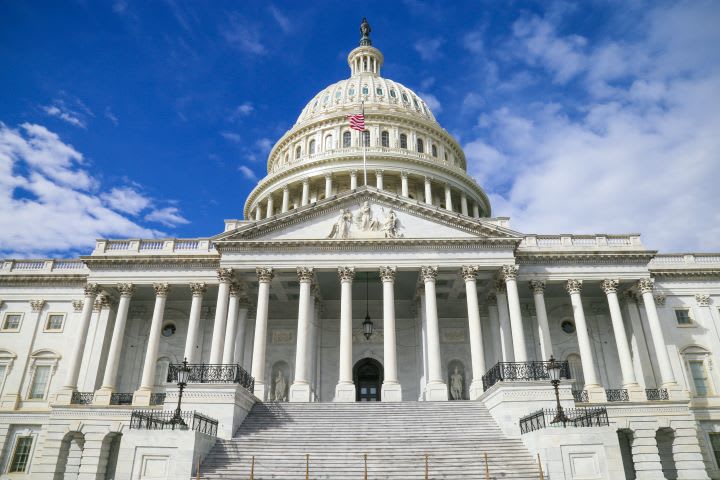
The infrastructure bill, which passed the Senate in August, finally passed by a vote of 228 to 206 in the House of Representatives. It now awaits President Joe Biden's signature.
Photo courtesy Louis Velazquez via Unsplash.
2 min to read
The U.S. House of Representatives broke its deadlock over the long-awaited $1 trillion infrastructure bill on Friday night by a vote of 228-206, finally sending the legislation to the desk of President Joe Biden.
The bill, approved by the Senate in August before spinning wheels in the House, includes $5 billion to be spent during the next several years on investment in electric and other low-emission school buses that run on natural gas or propane. The legislation would make it possible for school districts across the country to buy about as many as 11,000 electric buses - not a huge dent in the estimated 480,000 buses rolling nationwide, but an appreciable number.
According to a White House statement issued after the Senate action in August:
"American school buses play a critical role in expanding access to education, but they are also a significant source of pollution. The legislation will deliver thousands of electric school buses nationwide, including in rural communities, helping school districts across the country buy clean, American-made, zero-emission buses, and replace the yellow school bus fleet for America's children."
The infrastructure legislation, besides cutting diesel air pollution linked to asthma, also is expected to drive demand for American-made batteries and vehicles, resulting in new jobs.
Biden, following the House vote, described the legislation as "a once-in-a-generation bipartisan infrastructure bill that will create millions of jobs, turn the climate crisis into an opportunity, and put us on a path to win the economic competition for the 21st Century."
A formal signing ceremony is expected soon, the president told reporters on Saturday.
More Alternative Fuels
Bipartisan Bill Seeks to Extend Clean School Bus Program Through 2031
The proposed legislation would renew federal support for cleaner school buses as districts navigate funding uncertainty, rising fuel and infrastructure costs, and fleet replacement needs.
Read More →
Alt-Fuel Moves: Electric Bus Rollouts, Bidirectional Charging & Propane Growth
See which fleets are adding electric and propane school buses as districts and operators invest in charging infrastructure, bidirectional technology, and alternative-fuel expansion.
Read More →
Nobody Told Diesel Prices They Were Supposed to Come Down
With diesel prices surging, school bus fleets have new reason to stress-test fuel costs, consider diversification, and calculate what each route really costs to operate.
Read More →
Why Gasoline School Buses Are Making a Comeback
Gasoline is gaining ground in full-size school buses. See how today’s options stack up against diesel on cost, maintenance, emissions, performance, and more.
Read More →
EPA Opens $180M DERA Funding Round for Diesel Upgrades
The 2026 Diesel Emissions Reduction Act program seeks applications from eligible organizations to accelerate the retirement of legacy diesel vehicles.
Read More →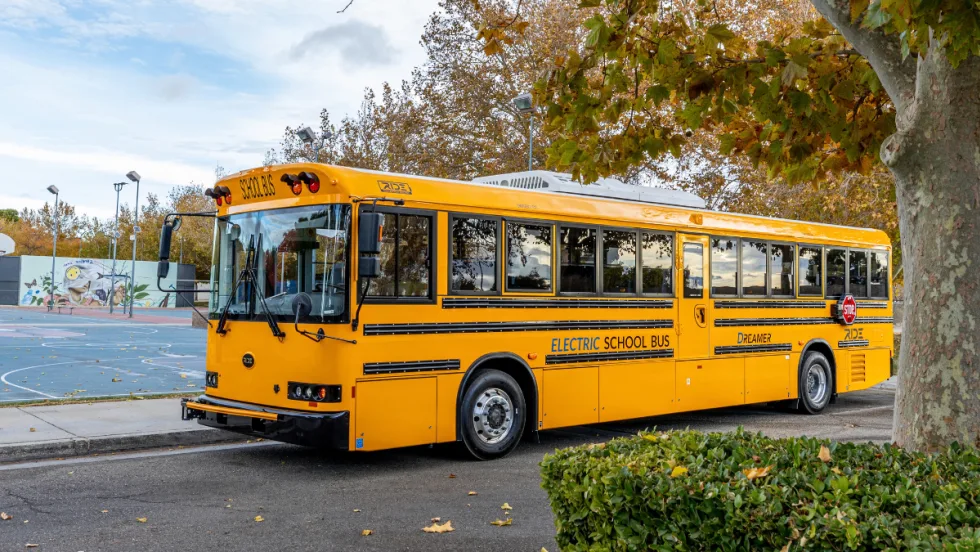
The Secret Life of an Electric School Bus Battery
Batteries change throughout years of daily routes, but degradation doesn’t necessarily mean the end. Here’s what operators should know about performance, safety, and second life.
Read More →
CALSTART and Forth Combine to Form Catalyst Mobility
The new name represents a renewed vision for the nonprofit focused on advancing clean, equitable, and affordable transportation solutions that move people and goods.
Read More →
Alt-Fuel Moves: New Buses, Charging Hubs & Real-World EV Testing
Propane and electric school bus deployments continue to grow as districts add new vehicles, expand charging infrastructure, and gather more real-world operating data.
Read More →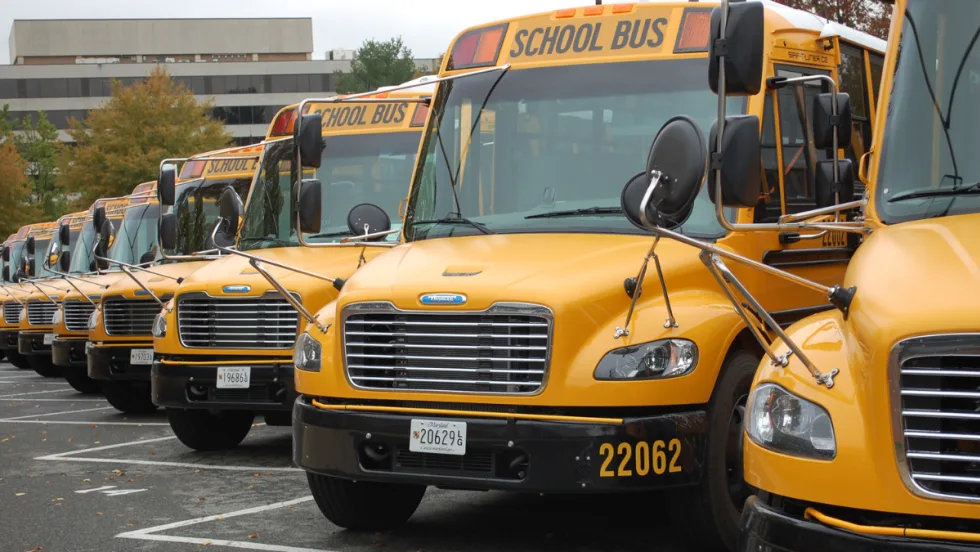
Fewer Electric School Bus Models Reshape the U.S. Market
WRI’s latest buyer’s guide points to a consolidating electric school bus market, but fewer options may reflect a maturing industry rather than fewer meaningful choices for school bus operators.
Read More →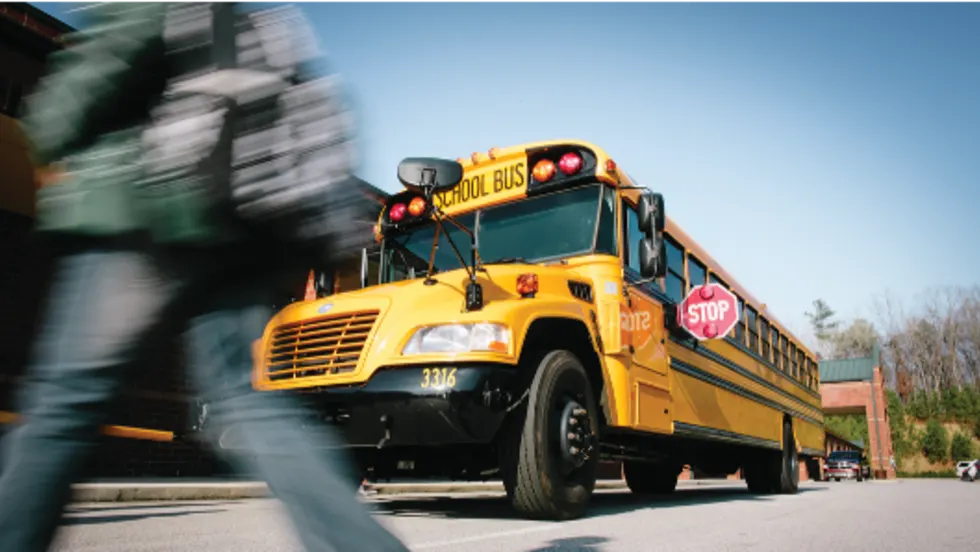
The Fuel Budget You Can Actually Predict: How Propane Autogas Keeps Money in the Classroom
Learn how propane autogas helps school districts manage fuel costs with predictable pricing, lower maintenance, and reduced emissions from former transportation director Joel Stutheit.
Read More →