





Get Informed: How to Find Funding for Alt-Fuel School Buses
South Carolina Secures Nation’s Largest EPA-Funded Electric School Bus Order
The South Carolina Department of Education is deploying 160 Proterra-powered Thomas Built Buses electric school buses during the next year, funded through the Clean School Bus Program.
March 29, 2023

The state of South Carolina has finalized a procurement order with dealer Interstate Transportation for a total of 160 new electric school buses funded by the EPA's Clean School Bus Program.
Image: Thomas Built Buses
2 min to read
The next year will see 160 new electric school buses deployed across the state of South Carolina now that the S.C. Department of Education has finalized procurement of Proterra-powered Thomas Built Saf-T-Liner C2 Jouleys from dealer Interstate Transportation.
It represents the single largest order to date of electric school buses funded entirely by the federal Environmental Protection Agency’s Clean School Bus Program.
“The South Carolina Department of Education is proud to partner with Thomas Built Buses and Proterra to bring more zero-emission, all-electric school buses to our state. We’re excited to see the positive impact these buses will have on our community,” said Mike Bullman, transportation director for the SCDOE. “This partnership puts South Carolina at the forefront of the vehicle electrification movement and brings us one step closer towards building a healthier and more sustainable future for the next generation of students.”
Thomas Built Buses and Proterra offer school bus operators a comprehensive, turn-key electric vehicle program that includes EV planning and funding consultation, electric school buses, charging systems, and charging infrastructure design and installation. The Saf-T-Liner C2 Jouley couples 226 kWh of onboard energy from Proterra’s battery technology to offer up to 135 miles of drive range to meet the needs of school bus fleets. With more than 300 buses on the road, Saf-T-Liner C2 Jouley electric school buses have driven more than 1-million miles for school districts across North America.
Thomas Built Buses is currently the only school bus manufacturer to offer DC fast-charging architecture as standard equipment. The Jouley can charge in about three hours and can supply power back to the grid using vehicle-to-grid (V2G) technology.
“We applaud the state of South Carolina for their commitment to providing emission-free pupil transportation solutions to the many areas awarded funding through the Clean School Bus Program,” said Kevin Bangston, president and CEO of Thomas Built Buses. “It’s an ambitious undertaking and we are proud to be a key partner in this initiative.”
“With our company’s long history in South Carolina, Proterra is thrilled to see the surge in the number and variety of schools that will soon have access to electric school buses in the state that many of our employees call home. Knowing that the EV technologies we’re building at our Powered 1 battery factory in Greer, S.C. are enabling the next generation of clean, quiet transportation for South Carolina students makes this news even more special to our Proterra team. Now, through initiatives like the EPA’s Clean School Bus Program, even more students and communities are accelerating the transition to an all-electric, emissions-free future,” said Chris Bailey, Proterra’s chief business officer.
More Alternative Fuels
Bipartisan Bill Seeks to Extend Clean School Bus Program Through 2031
The proposed legislation would renew federal support for cleaner school buses as districts navigate funding uncertainty, rising fuel and infrastructure costs, and fleet replacement needs.
Read More →
Alt-Fuel Moves: Electric Bus Rollouts, Bidirectional Charging & Propane Growth
See which fleets are adding electric and propane school buses as districts and operators invest in charging infrastructure, bidirectional technology, and alternative-fuel expansion.
Read More →
Nobody Told Diesel Prices They Were Supposed to Come Down
With diesel prices surging, school bus fleets have new reason to stress-test fuel costs, consider diversification, and calculate what each route really costs to operate.
Read More →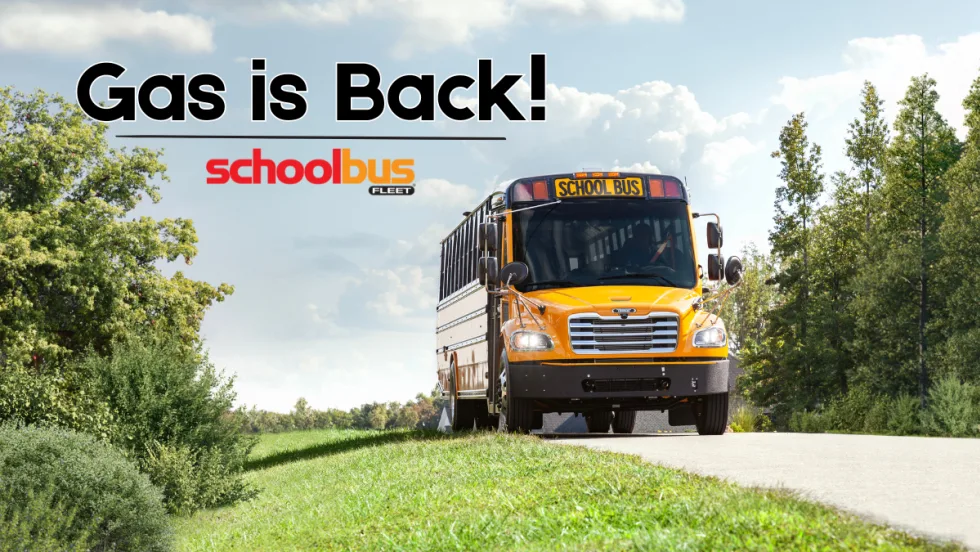
Why Gasoline School Buses Are Making a Comeback
Gasoline is gaining ground in full-size school buses. See how today’s options stack up against diesel on cost, maintenance, emissions, performance, and more.
Read More →
EPA Opens $180M DERA Funding Round for Diesel Upgrades
The 2026 Diesel Emissions Reduction Act program seeks applications from eligible organizations to accelerate the retirement of legacy diesel vehicles.
Read More →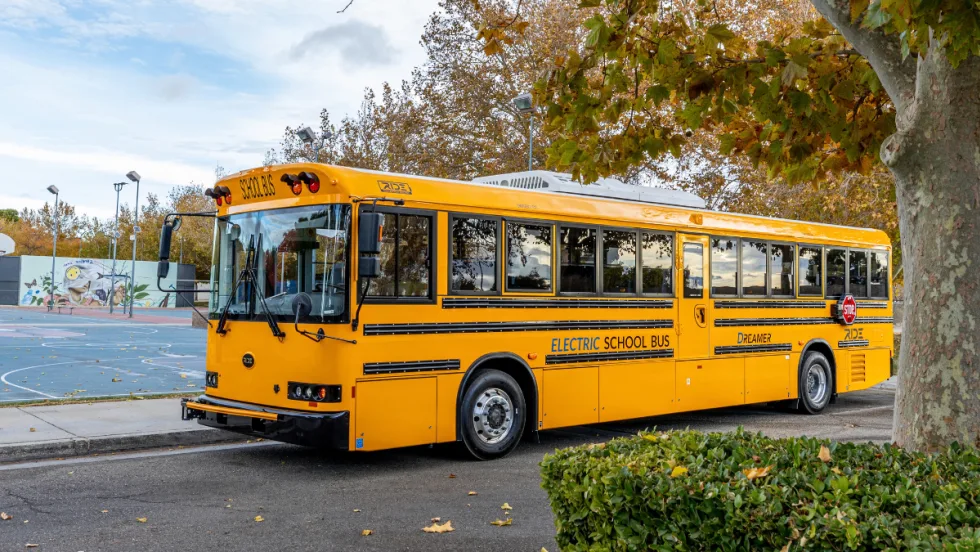
The Secret Life of an Electric School Bus Battery
Batteries change throughout years of daily routes, but degradation doesn’t necessarily mean the end. Here’s what operators should know about performance, safety, and second life.
Read More →
CALSTART and Forth Combine to Form Catalyst Mobility
The new name represents a renewed vision for the nonprofit focused on advancing clean, equitable, and affordable transportation solutions that move people and goods.
Read More →
Alt-Fuel Moves: New Buses, Charging Hubs & Real-World EV Testing
Propane and electric school bus deployments continue to grow as districts add new vehicles, expand charging infrastructure, and gather more real-world operating data.
Read More →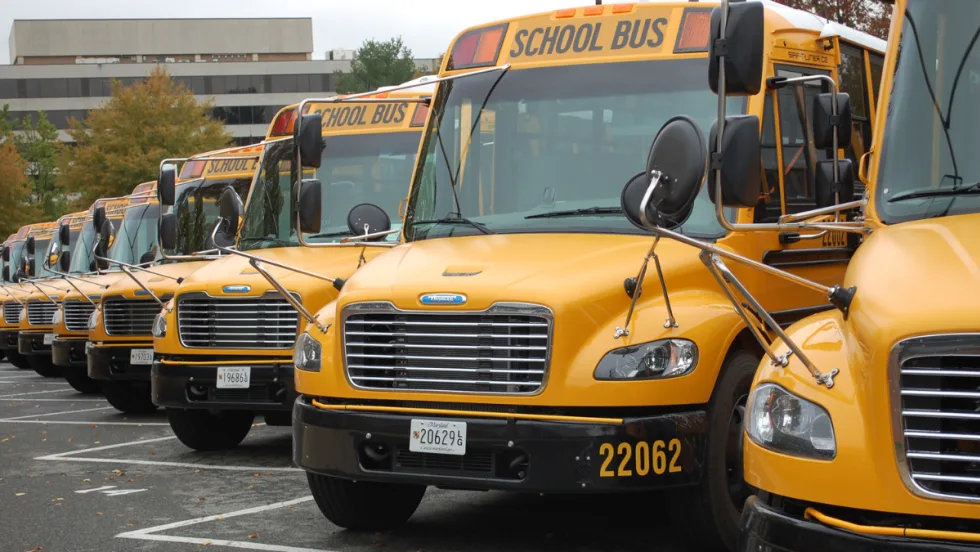
Fewer Electric School Bus Models Reshape the U.S. Market
WRI’s latest buyer’s guide points to a consolidating electric school bus market, but fewer options may reflect a maturing industry rather than fewer meaningful choices for school bus operators.
Read More →
The Fuel Budget You Can Actually Predict: How Propane Autogas Keeps Money in the Classroom
Learn how propane autogas helps school districts manage fuel costs with predictable pricing, lower maintenance, and reduced emissions from former transportation director Joel Stutheit.
Read More →