




Partnership Formed to Help Electric School Bus Transition Plans
The Center for Transportation and the Environment (CTE) and the World Resources Institute (WRI) are working together to pick three school districts for assistance with electric school bus transitioning.


The Center for Transportation and the Environment (CTE) is pleased to announce our collaboration with the World Resources Institute’s (WRI) Electric School Bus Initiative, supported by the Bezos Earth Fund. In this project, CTE will provide three school districts with technical plans to transition their school bus fleets to electric school buses (ESB).
CTE will conduct the technical analysis for each transition plan, leveraging its decades of electric vehicle experience and using its industry leading fleet transition planning methodology. CTE and WRI will collect data specific to each school district’s unique student transportation operations and will use this data to develop the transition plans. These plans will provide step-by-step instructions on how to transition each school bus fleet to zero emissions. CTE’s ESB transition planning methodology is informed by the more than 35 zero-emission fleet transition planning projects that the nonprofit has led in support of transit, school, and municipal fleets across the country.
CTE and WRI will work together to select and engage three school districts as partners in this effort. Transitioning school buses to zero-emission technologies not only contributes to combating climate change and reducing local pollution, but it also has significant implications for children’s health and environmental justice. With this in mind, CTE and WRI will prioritize partnerships with school districts that serve environmental justice zones and/or disadvantaged communities. Each of the selected school districts will receive a full ESB transition plan at no cost to the district.
As large-scale public funding begins to flow into the emerging electric school bus market, partnerships that provide unbiased technical support, modeling, and planning to support school districts across the United States will be critically important. Fleet electrification is complicated and requires a myriad of decisions around route planning, charging strategy, equipment selection, infrastructure development, resource management, and more. Programs like the Electric School Bus Initiative provide education and understanding to all stakeholders, including local district planners, school bus drivers, and the community at large, giving them confidence to make future deployments independently and ensure our nation’s transition to electric school buses is successful.
More Alternative Fuels

CALSTART and Forth Combine to Form Catalyst Mobility
The new name represents a renewed vision for the nonprofit focused on advancing clean, equitable, and affordable transportation solutions that move people and goods.
Read More →
Alt-Fuel Moves: New Buses, Charging Hubs & Real-World EV Testing
Propane and electric school bus deployments continue to grow as districts add new vehicles, expand charging infrastructure, and gather more real-world operating data.
Read More →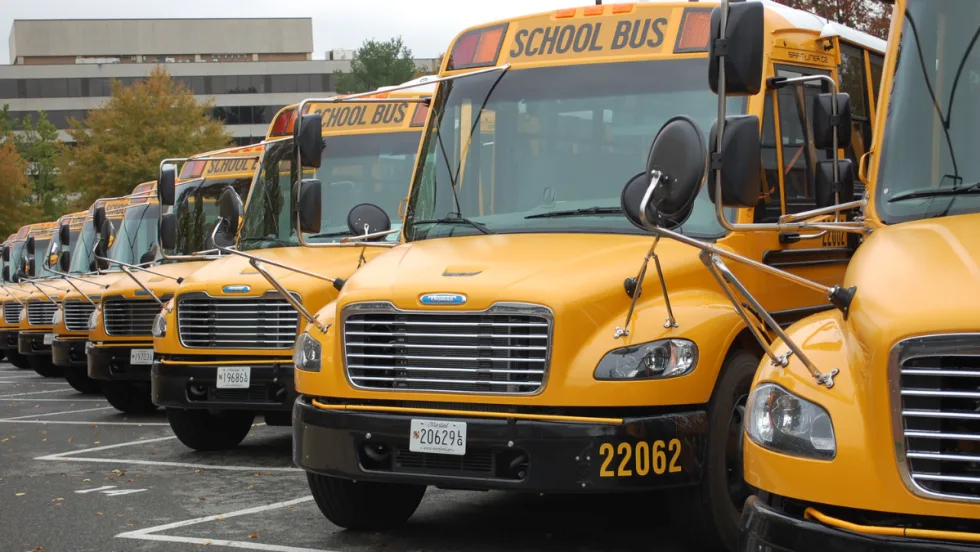
Fewer Electric School Bus Models Reshape the U.S. Market
WRI’s latest buyer’s guide points to a consolidating electric school bus market, but fewer options may reflect a maturing industry rather than fewer meaningful choices for school bus operators.
Read More →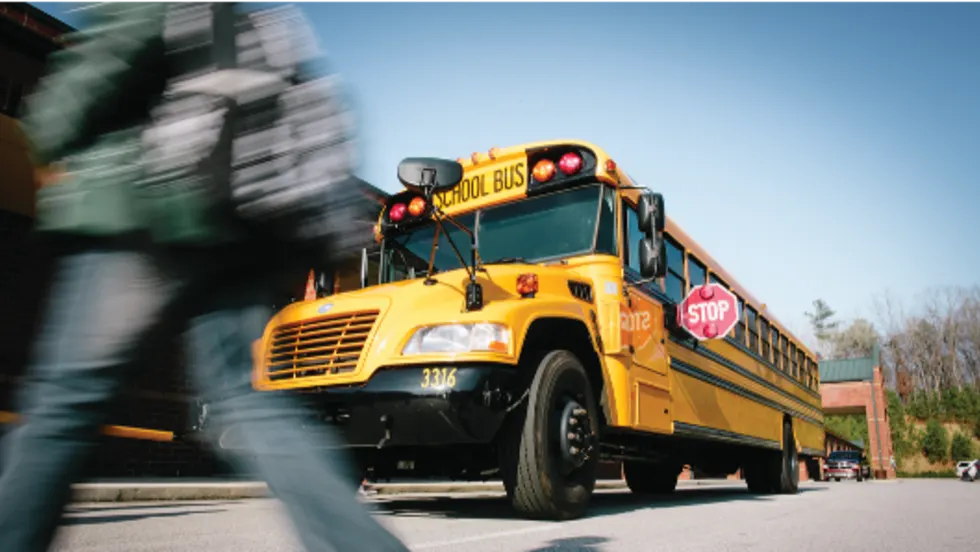
The Fuel Budget You Can Actually Predict: How Propane Autogas Keeps Money in the Classroom
Learn how propane autogas helps school districts manage fuel costs with predictable pricing, lower maintenance, and reduced emissions from former transportation director Joel Stutheit.
Read More →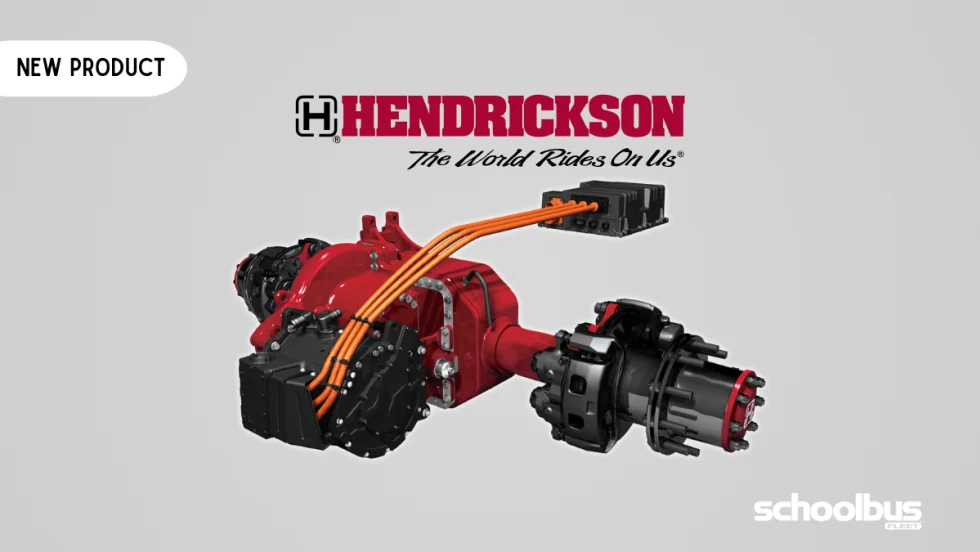
Hendrickson, Driventic Introduce New Electric Powertrain for School Buses
ELECTRAAX, the electrified, lightweight drive axle offers integrated ePowertrain efficiency and modular flexibility for Class 6–7 school bus use.
Read More →
The Mobility House Joins PowerFlex in Fleet Electrification Deal
The acquisition combines intelligent charging software, bidirectional charging expertise, and fleet electrification services to support the growing adoption of electric school buses across North America.
Read More →
Alt-Fuel Moves: Electric School Bus Investments Hit the Road
See which districts across the U.S. are putting electric school buses into service, expanding charging infrastructure, and planning the next phase of fleet electrification.
Read More →
With Fuel Volatility Ahead, School Districts Turn to Propane
While diesel prices peaked above $5 this spring, districts with propane autogas-powered fleets paid under $2 per gallon, according to PERC.
Read More →
EPA Unveils Proposed Changes to 2027 Heavy-Duty Engine Rules
The federal agency has proposed changes to next year’s targets that would eliminate DEF derates, ease warranty requirements, and retain current NOx emissions standards.
Read More →
Alt-Fuel Moves: EV Charging & Infrastructure Projects Gain Momentum
The latest developments include new funding, charging infrastructure, utility investments, and fleet technologies designed to support the transition to electric school buses nationwide.
Read More →