





More News: 6 Student Transportation of America Terminals Honored for Safety Excellence
New York City Improves Road Safety with Required Telematics
The Big Apple is now using telematics to make its roads safer for students and the public. With 10,000 school buses equipped with the technology, it is one of the largest groups of government-owned vehicles using the technology.
November 22, 2024
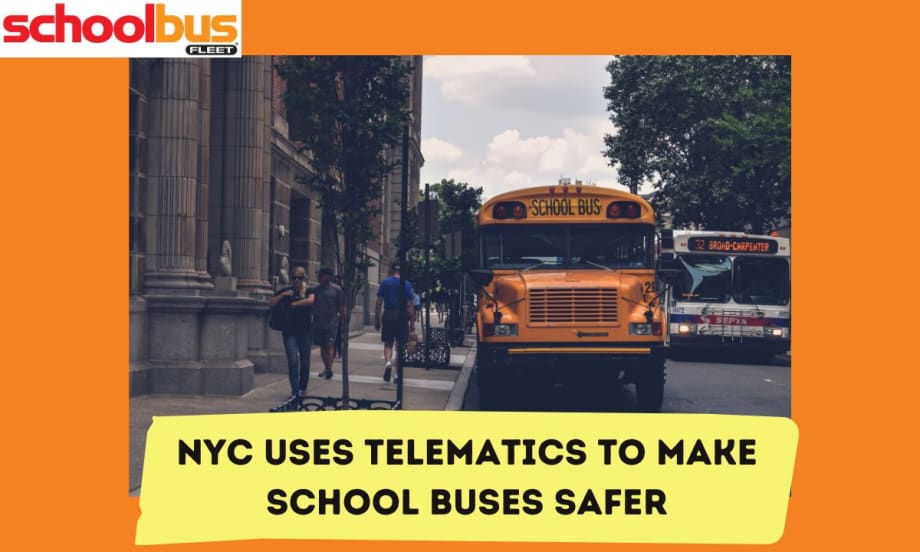
School Bus Drivers in New York City have their driving habits recorded and reviewed using telematics technology.
Photo: Canva
2 min to read
New York City Mayor Eric Adams recently issued Executive Order 39, which outlines a comprehensive approach to addressing truck and bus safety for the city’s fleet and contracted units. One of the required technologies agencies are adopting under Executive order 39 is telematics.
With the telematic technology, New York City’s fleet vehicles will be able to better monitor driver habits including driving speeds and seatbelt use. While the telematic requirements are just now expanding to all government vehicles in New York City, schools in the area were already required to utilize the technology on their vehicles.
The data that is being collected includes information on speed, breaking patterns, seatbelt use, and acceleration. With this data, the New York Department of Citywide Administrative Services will be able to produce a safer municipal fleet.
A command center for the more than 29,000 city vehicles, including 10,000 school buses, has been established to manage the telematics.
Drivers that are recorded going 25 miles above the speed limit will receive an email along with their supervisor. The speed threshold was chosen to identify behaviors that created a clear danger and liability. Since implemented, excessive speeding in city vehicles has been reduced by 70%.
Commissioners with city vehicles also receive monthly reports on safety indicators such as hard breaking and seatbelt use. The reports contain a list of high and moderate risk drivers as well.
The city is focusing on outliers to ensure safety across the city. Drivers with excessive speeding issues or records of slamming on the breaks frequently receive training.
As part of the data-driven effort, New York City has partnered with Volpe to fit vehicles with additional safety features such as surround cameras, up-to-date mirrors, driver alert systems, and automatic emergency braking systems. Since this started, crashes are reported to be down 28%.
The program is also helping financially by helping employees prevent unjustified claims against them and by making the roads safer.
More Safety

How to Build a Better School Bus Driver Training Program
Is it time to strengthen your driver training? Here’s how to pick the right talent and improve recruitment, retention, and safety. This video is brought to you by IC Bus.
Read More →
Recent School Bus Accidents Leave 2 Dead, 2 Injured
Four school bus crashes in Florida, Illinois, and Georgia highlight risks in transportation lots, at bus stops, and during student loading and unloading.
Read More →
Sponsored•September 8, 2026
When Every Second Matters, Clarity Keeps Routes Moving
From routine delays to urgent incidents, strong communication practices help drivers, dispatchers, schools, and families respond with confidence.
Read More →

What Happens When a School Bus Catches Fire — and What Can Help
School bus fires are rare but can be devastating. Learn how advances in fire suppression and asset protection help fleets detect fires earlier, reduce damage, and improve safety.
Read More →
Geotab Launches Tool to Help Fleets Investigate Road Incidents
Geotab Investigations combines telematics data, video, documents, and other evidence to help fleets reconstruct incidents, resolve claims, and determine what happened.
Read More →
Texas Sixth Grader Wins 2026 National School Bus Safety Poster Contest
Sai Darshana Yekolu of Moseley Middle School in Prosper, Texas, was named the newest winner for her artwork, bringing the theme of “Safe Rides, Everyday Heroes” to life.
Read More →
Sponsored•August 27, 2026
Doing More With Less: How Transportation Directors Can Prioritize Safety Amid Budget Uncertainty
With diesel prices soaring and nearly one-third of transportation directors expecting budget cuts, maintaining student safety has never been more challenging. Download this guide to learn how leading districts are prioritizing risk, funding critical safety technology, and building stronger budget cases with data.
Read More →
Walton County Schools Adds Gatekeeper Stop-Arm Enforcement System
The Florida district will deploy Gatekeeper’s updated Student Protector technology, which now incorporates AI to improve video evidence.
Read More →
How To Build a More Secure School Bus Yard During and After Hours
As thefts and overnight security threats continue, school transportation leaders are combining stronger operational practices with AI-enabled surveillance to better protect buses, facilities, and staff.
Read More →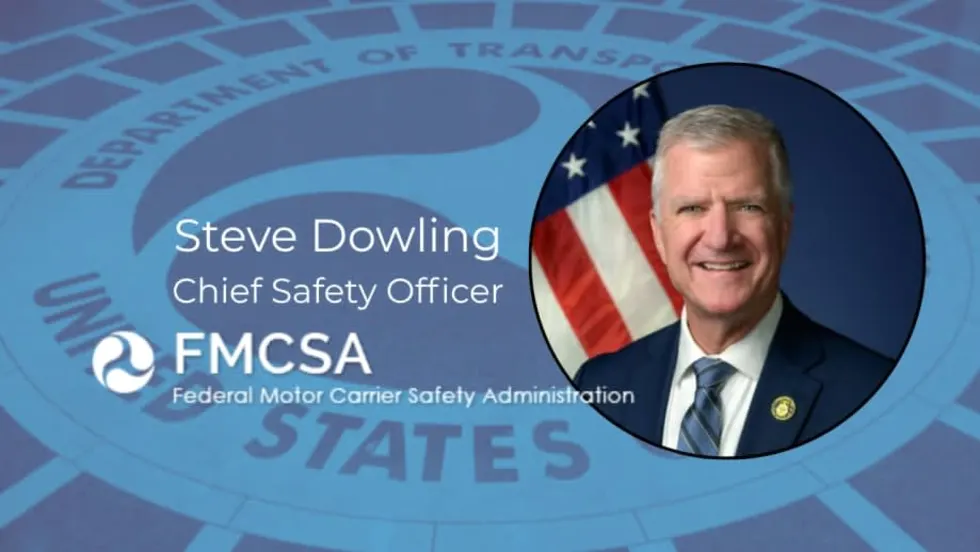
FMCSA Names New Chief Safety Officer: What School Bus Operators Should Know
Steve Dowling is set to lead the federal agency's efforts to advance commercial motor vehicle safety and reduce crashes, fatalities, and injuries on the nation's roadways.
Read More →