




Related: Indianapolis to Buy 100 New Buses with 3-Point Belts
North Carolina to Roll Out 3-Point Belt Project
Eleven school districts will track the use of the seat belts on their buses during the 2016-17 school year.

Nicole Schlosser・Former Executive Editor
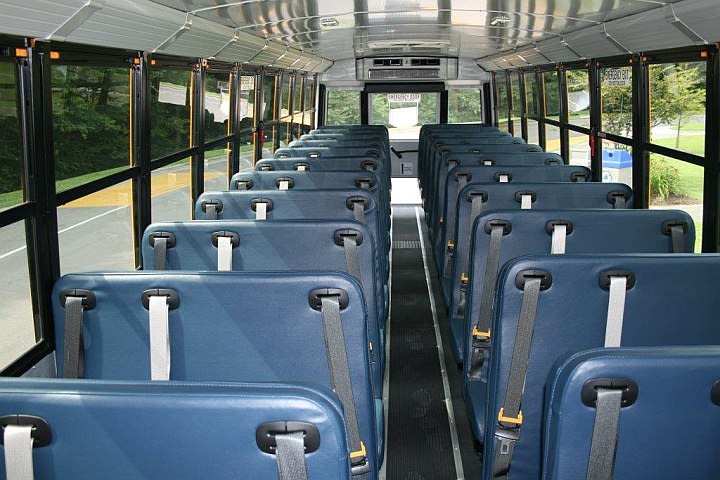
Eleven North Carolina school districts will track the use of lap-shoulder belts on their buses during the 2016-17 school year. Shown here is one of the buses that will be used by Washington County Schools.
3 min to read
Eleven North Carolina school districts will track the use of lap-shoulder belts on their buses during the 2016-17 school year. Shown here is one of the buses that will be used by Washington County Schools.
Some school districts in North Carolina will begin participating in a project that will track the use of lap-shoulder belts on school buses this fall.
The project is being implemented by the North Carolina Department of Public Instruction's Transportation Services, which will provide replacement school buses equipped with lap-shoulder belts for the 2016-17 school year to the 11 participating school districts.
A total of 82 buses — a mix of models from Thomas Built Buses, Blue Bird, and IC Bus — will be used in the project, said Derek Graham, North Carolina state pupil transportation director. Most of the buses have already been delivered, and the rest are expected to arrive this summer.
This project builds on results from a pilot project that the state conducted in 2003 to test the technology, using 13 school buses that were equipped with first-generation lap-shoulder belt seats. The buses were piloted in about 11 counties, Graham said.
What’s different about this project is that the technology has advanced significantly, he explained, and that in order to receive the buses, the school districts’ local boards of education had to agree to support and enforce the usage of the lap-shoulder belts.
“It will be an expectation that the students riding these buses will be using them,” Graham added. “That’s the goal.”
The new project also differs from the original on another significant point. The 2003 school buses utilized a 3/2 seating configuration, based on the available seat technology at the time, which resulted in a “staggered” off-center aisle and reduced elementary capacity, according to a Carolina Thomas news release. The new seats, provided by SynTec, IMMI, and HSM, are designed to seat two or three students with lap-shoulder belts.
“This flexible seating configuration will serve school districts very well by providing the same standard-width center aisle as current buses not equipped with seat belts without reducing capacity,” said Tom Schaaf, vice president and general manager of Carolina Thomas, in the news release.
The state covers the cost of the replacement buses, and the lap-shoulder belts are simply considered an additional option, Graham added.
The rollout plan is still in progress, but will likely include training on usage for bus drivers and students, and on repairs for technicians, as well as information on the implementation project for parents, and perhaps most importantly, Graham noted, for school administrators. Researchers at North Carolina State University’s Institute for Transportation Research and Education are providing technical assistance, contacting districts around the U.S., and looking at best practices and recommendations.
In addition to safety benefits, Graham said that the use of lap-shoulder belts should improve student behavior, which could in turn help increase driver retention.
“The required-use policy is a key element in this project that we believe to be a real opportunity to improve student discipline and thereby help out our school bus drivers,” Graham said.
More Safety
How To Build a More Secure School Bus Yard During and After Hours
As thefts and overnight security threats continue, school transportation leaders are combining stronger operational practices with AI-enabled surveillance to better protect buses, facilities, and staff.
Read More →
FMCSA Names New Chief Safety Officer: What School Bus Operators Should Know
Steve Dowling is set to lead the federal agency's efforts to advance commercial motor vehicle safety and reduce crashes, fatalities, and injuries on the nation's roadways.
Read More →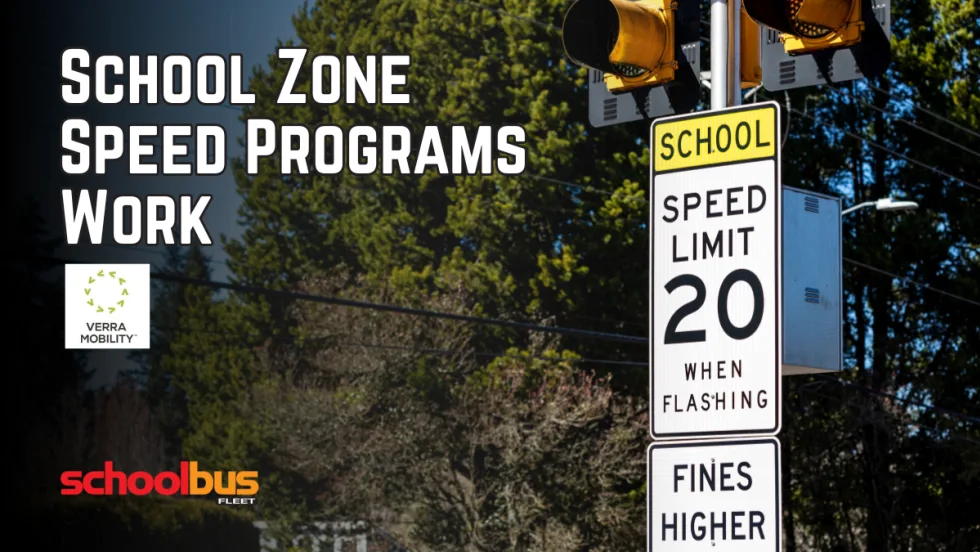
New Study Finds School Zone Speed Safety Cameras Cut Speeding Violations 97%
A Florida university's research demonstrates that Verra Mobility's automated enforcement changes driver behavior and significantly improves school zone safety.
Read More →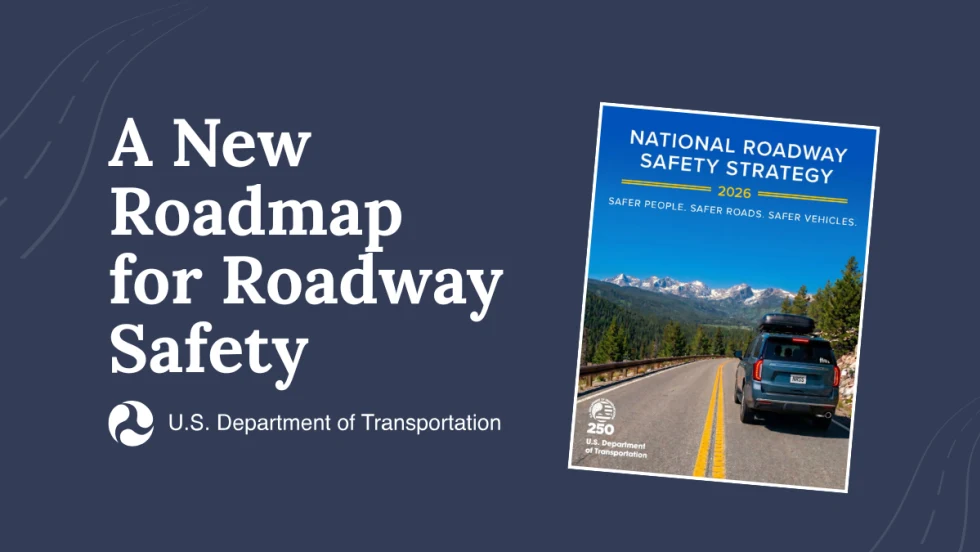
What Changed in DOT’s New National Roadway Safety Strategy?
The federal agency's new plan shifts its focus to safer people, roads and vehicles, with a new three-pronged approach instead of five. One outlined action even addresses a key industry concern around illegal school bus passing.
Read More →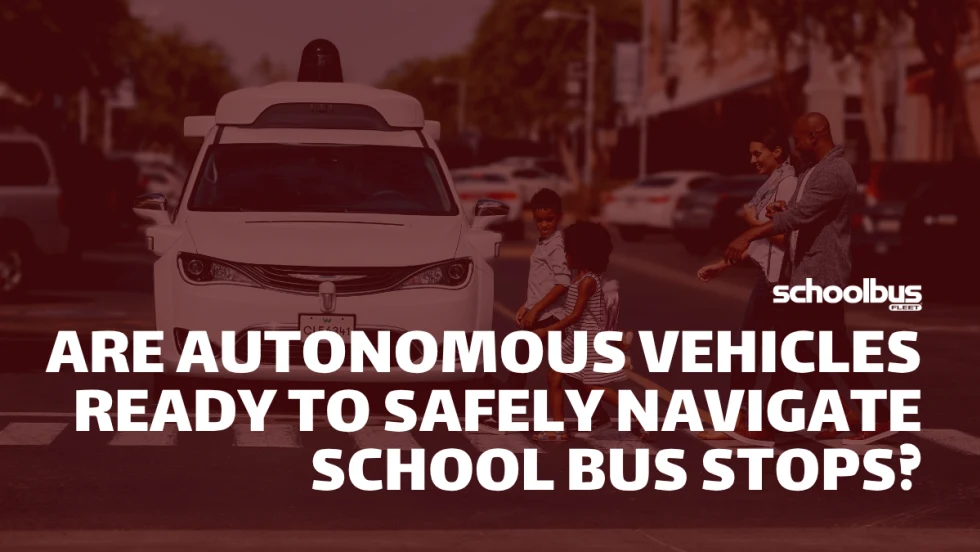
Are Autonomous Vehicles Ready to Safely Navigate School Bus Stops?
NHTSA is accelerating autonomous vehicle deployment through new safety standards and commercial approvals. See why school transportation leaders are watching.
Read More →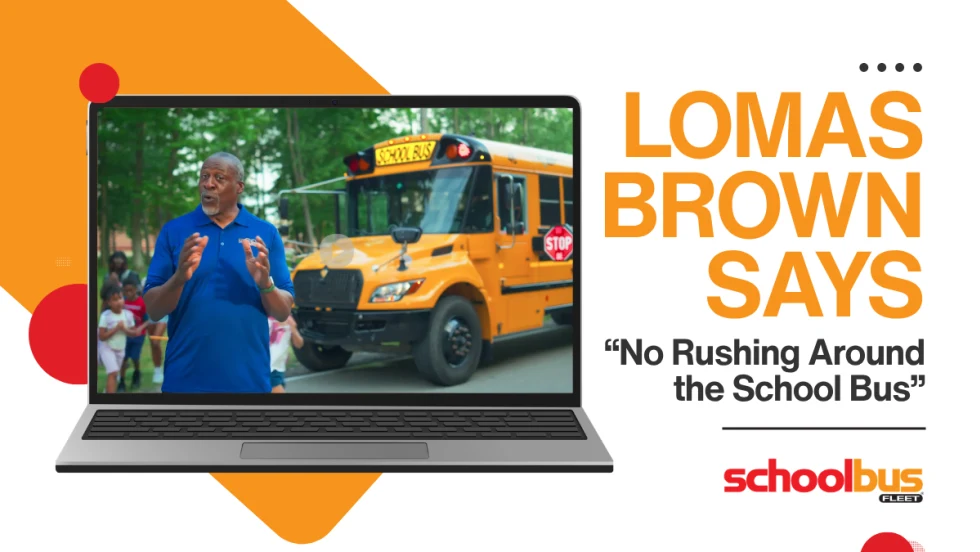
NFL Star Lomas Brown Kicks Off New Illegal School Bus Passing PSA
Just in time for the back-to-school season, the former Detroit Lions offensive tackle took time to record a video encouraging motorists to slow down around school buses.
Read More →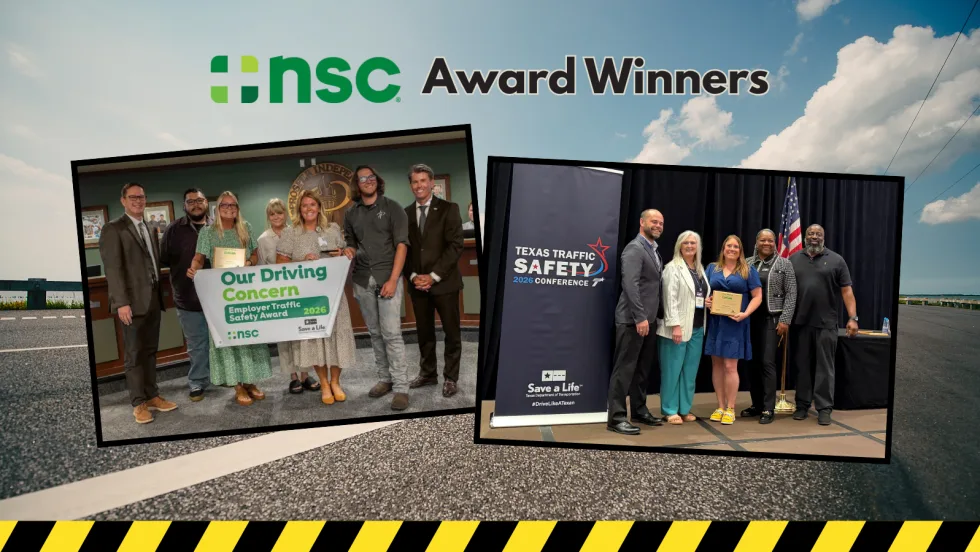
How Two Texas Districts Built Award-Winning Safety Programs
Learn how Prosper ISD and Rockwall ISD earned National Safety Council honors through hands-on training, safety culture, and strategies that reduced transportation incidents.
Read More →
NHTSA Releases 10-Year Review of Fatal School Bus Crashes
The latest federal analysis reinforces the safety of school buses while identifying where school-age pedestrians and other motorists remain most at risk.
Read More →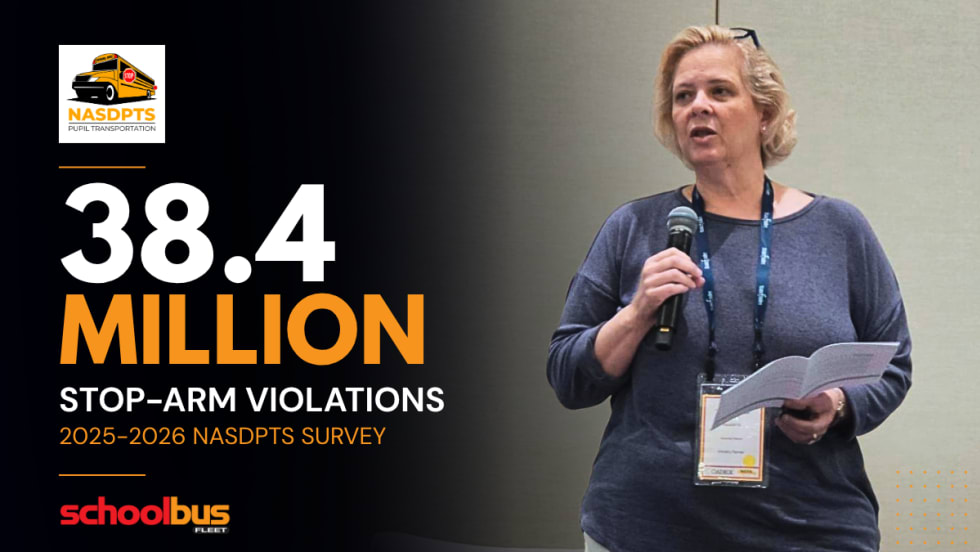
2026 NASDPTS Survey: Data Shows Further Reduction of Illegal Passing
New data is in! School bus stop-arm passings are down to 38.4 million violations per year, about a 2.3% decrease from last school year — but passings on the right side of the bus are higher than ever.
Read More →
Another School Bus Fatality Reported in Monsey, New York
A 7-year-old girl died after being struck by a school bus in Rockland County, New York while crossing the street. Here's what we know.
Read More →