




School Bus Seat Belt Bill Advances in Rhode Island
The legislation does not specify whether the restraints would have to be lap-shoulder belts or whether lap-only belts would suffice.

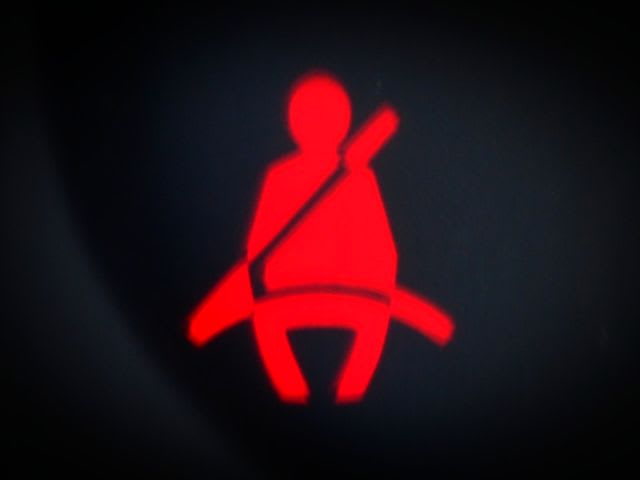
The Rhode Island Senate passed a bill that would require seat belts on new school buses, although it does not specify whether they would have to be lap-shoulder belts.
The Rhode Island Senate passed a bill that would require seat belts on new school buses, although it does not specify whether they would have to be lap-shoulder belts.
PROVIDENCE, Rhode Island — New school buses in Rhode Island would have to be equipped with seat belts under a bill approved by the state Senate last week.
The legislation, S 2256, does not specify whether the restraints would have to be lap-shoulder belts or whether lap-only belts would suffice. A spokesperson at the Rhode Island General Assembly told SBF that “presumably either kind would satisfy [the bill’s] requirement.”
The legislation would not require existing school buses in the state to be retrofitted with seat belts.
Along with mandating seat belts on new school buses, the bill would require school districts to prepare a plan for implementation and use of the seat belts within one year of acquiring belt-equipped buses. That plan would have to include emergency evacuation drills.
According to a legislative council summary, the bill would require all passengers on belt-equipped school buses to buckle up. State law already requires school bus drivers to wear their seat belts.
The legislation, which is sponsored by Sen. Adam Satchell, would go into effect upon being signed into law.
“Seat belts save lives and prevent injuries,” Satchell said. “While school bus accidents are fortunately not common, a child who is wearing a seat belt during one is less likely to get hurt than a child who isn’t.”
Satchell also noted that Rhode Island law requires monitors on all buses carrying children in kindergarten through fifth grade, so monitors could help younger children with their seat belts if needed.
After the Senate’s passage, the legislation moved to the House for consideration.
Six states have passed varying types of seat belt laws for school buses. Last year, Mark Rosekind, administrator of the National Highway Traffic Safety Administration, began calling for seat belts on all school buses.
More Management

Zum Secures Continued Financing Support for School Bus Expansion
Generate Private Credit has financed approximately $75 million in school bus deployments across three states, supporting more than 500 buses as Zum expands across the county.
Read More →
Beyond Discipline: A Different Approach to Student Behavior on the Bus
After implementing a dean of students program in Oregon, North Clackamas is seeing positive improvements. Here’s how it worked. The Route is brought to you by IC Bus.
Read More →
A Dean of Transportation's Different Approach to Student Behavior on the School Bus
After implementing a dean of students program in Oregon, North Clackamas is seeing positive improvements on the bus. Here’s how it worked.
Read More →
Inside NAPT ACTS 2026: Highlights from Louisville
From federal updates and student behavior strategies to new school bus technology and industry awards, see highlights from NAPT ACTS 2026 in Louisville.
Read More →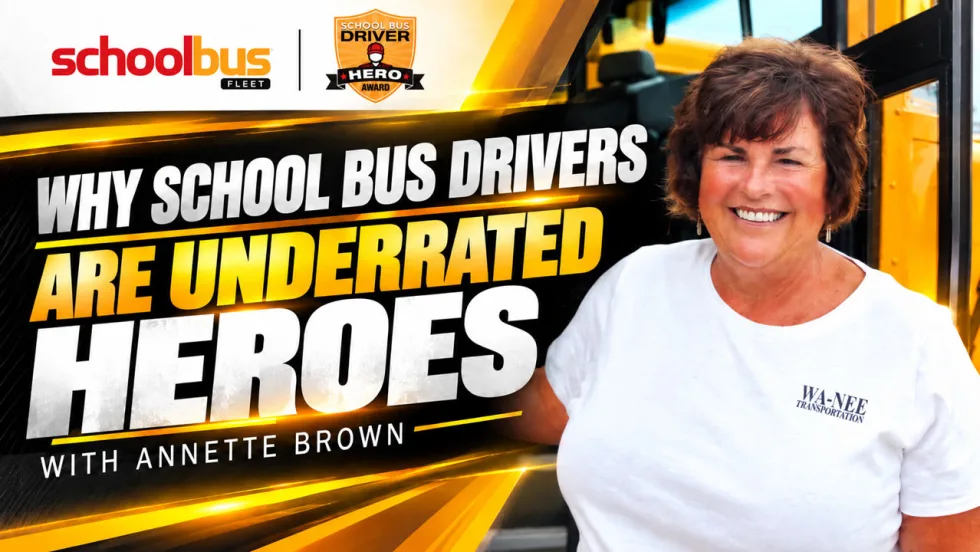
Meet the 2025 School Bus Driver Hero Winner: Annette Brown
We caught up with Wa-Nee Community Schools' Annette Brown on site at SBFX, where she was named the 2026 School Bus Driver Hero Award winner. Hear about her reaction, what she loves most about being a school bus driver, and more!
Read More →
Predictability Is Like Ketchup (According to 6-Year-Olds)
To students, a different school bus can feel like a full-blown crisis. One driver reflects on why familiar routines, showing up on time, and being reliably boring matter more than we think.
Read More →
Samsara Launches Free Driver Rewards Program
The new Driver Perks program gives eligible professional drivers access to discounts and offers without adding a cost for participating fleets.
Read More →
How Tax-Exempt Municipal Leases Can Help Finance School Buses
Let’s explore school bus financing options, including municipal leases, vendor payable accounts, and balloon payments, and how they can help stretch fleet budgets.
Read More →
Nominate Rising School Transportation Pros Under 40!
We’re searching for the next generation of leaders making an impact across the K-12 student transportation industry to recognize as SBF’s 2027 Trailblazers. Nominations are open now!
Read More →
Changing Lanes: BusWhere, EverDriven, InterMotive, Summit School Services, Switzer-Carty & Thomas Built Buses
Check out who's been hired, promoted, and appointed to leadership positions at various school transportation suppliers, contractors, and manufacturers.
Read More →