





Everyone Aboard? U.S. School Bus Dealerships Offer Insights in Their Vehicle Market
New Joint Venture Forms to Advance U.S. Battery Cell Production
Accelera by Cummins, Daimler Trucks, and PACCAR are joining forces to create a 21-gigawatt hour (GWh) EV battery factory in the United States. If the partnership is approved, production might begin in 2027.
September 7, 2023

The joint venture aims to create manufacturing jobs in the clean technology sector while localizing battery cell production.
Image: Daimler Truck/PACCAR/Acclera by Cummins
3 min to read
Determined to accelerate and localize battery cell production and the battery supply chain in the United States, vehicle manufacturers Daimler Trucks and PACCAR are teaming with Accelera by Cummins to make battery cells for electric commercial vehicles – including Thomas Built Buses (a Daimler subsidiary) school buses.
The EV Battery Partnership Plan
The joint venture is expected to create highly desirable U.S. manufacturing jobs in the growing clean technology sector, with a total investment of as much as $3 billion for the 21-gigawatt hour (GWh) factory.
The companies each will own 30% of the operation, which initially will focus on lithium-iron-phosphate (LFP) battery technology for commercial battery-electric trucks.
“The LFP battery cells produced by the joint venture will be able to offer several advantages compared to other battery chemistries, including lower cost, longer life, and enhanced safety, without the need for nickel and cobalt raw materials,” a news release stated.
China-based EVE Energy will serve as a technology partner with 10% ownership, contributing battery cell design and manufacturing know-how.
Cooperation Key to Environmental and Tech Goals
“Our vision is the highest quality, locally produced battery technology to enhance the operations of our customers and help them achieve their operational and environmental goals,” said Preston Feight, PACCAR chief executive officer.
Jennifer Rumsey, chair and CEO of Cummins, said her company wants what is best for stakeholders and the planet: “This requires working closely with key partners. Today’s announcement reflects that action. Not only are we advancing a key technology solution for our customers, but accelerating the energy transition in the United States.”
Martin Daum, Daimler Truck CEO, said their partnerships and a focus on costs and capital allocation are key to developing sustainable transportation. “This planned joint venture enables economies of scale beyond Daimler Truck,” Daum said. “It is a key puzzle piece of our battery industrialization strategy, ensuring access to the right battery cell technology at the right cost.”
But what might it mean for Thomas Built Buses partnership with Proterra, which supplies batteries for the school bus manufacturer’s Saf-T-Liner C2 Jouley electric bus? The supplier recently filed for voluntary Chapter 11 bankruptcy.
In response to an inquiry from School Bus Fleet, Thomas Built Buses issued the following statement: “Our current partnerships are not affected, as they continue to play an important strategic role in Daimler Truck’s battery and battery cell supply strategy. We, PACCAR, and Cummins believe that this JV will enable us to build a battery cell factory in the United States that is focused on the specific requirements of commercial vehicles. Creating economies of scale in battery cells optimized for commercial vehicles combined with localizing the supply chain in North America will better serve our customers. Bundling our battery volumes lowers the cost of batteries and supports the wider adoption of BEVs in heavy vehicles. The first battery cells are to be produced for vehicles in North America, with production scheduled to start in 2027.”
The transaction is subject to customary closing conditions and regulatory approvals.
More Alternative Fuels

CALSTART and Forth Combine to Form Catalyst Mobility
The new name represents a renewed vision for the nonprofit focused on advancing clean, equitable, and affordable transportation solutions that move people and goods.
Read More →
Alt-Fuel Moves: New Buses, Charging Hubs & Real-World EV Testing
Propane and electric school bus deployments continue to grow as districts add new vehicles, expand charging infrastructure, and gather more real-world operating data.
Read More →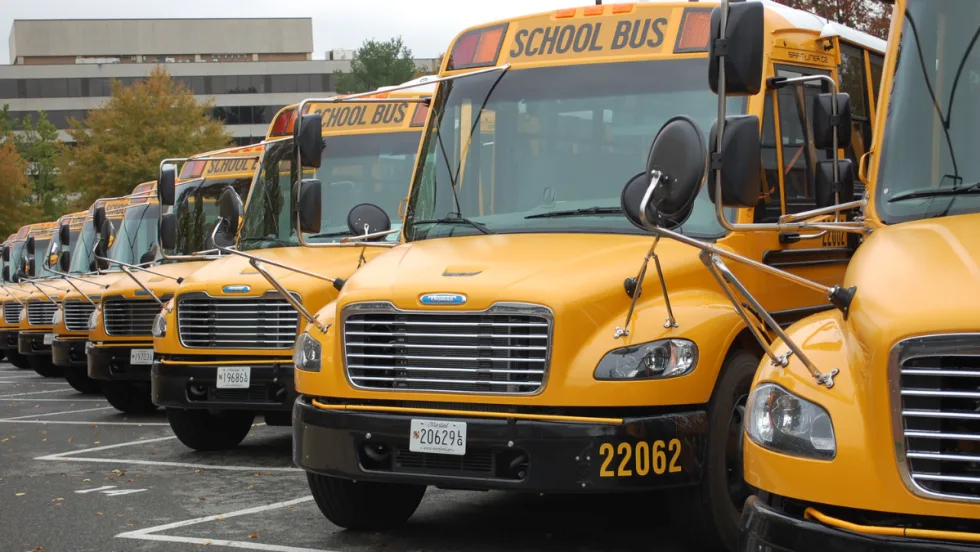
Fewer Electric School Bus Models Reshape the U.S. Market
WRI’s latest buyer’s guide points to a consolidating electric school bus market, but fewer options may reflect a maturing industry rather than fewer meaningful choices for school bus operators.
Read More →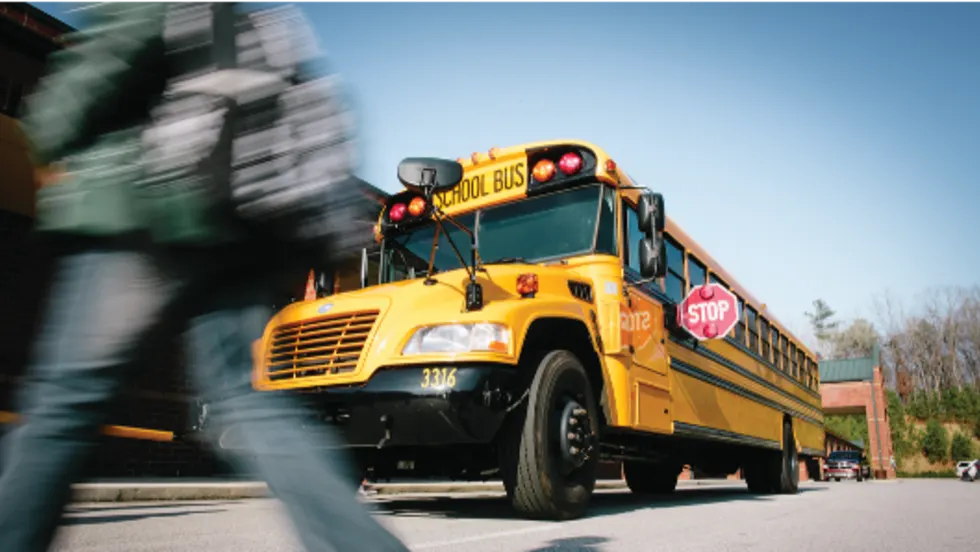
The Fuel Budget You Can Actually Predict: How Propane Autogas Keeps Money in the Classroom
Learn how propane autogas helps school districts manage fuel costs with predictable pricing, lower maintenance, and reduced emissions from former transportation director Joel Stutheit.
Read More →
Hendrickson, Driventic Introduce New Electric Powertrain for School Buses
ELECTRAAX, the electrified, lightweight drive axle offers integrated ePowertrain efficiency and modular flexibility for Class 6–7 school bus use.
Read More →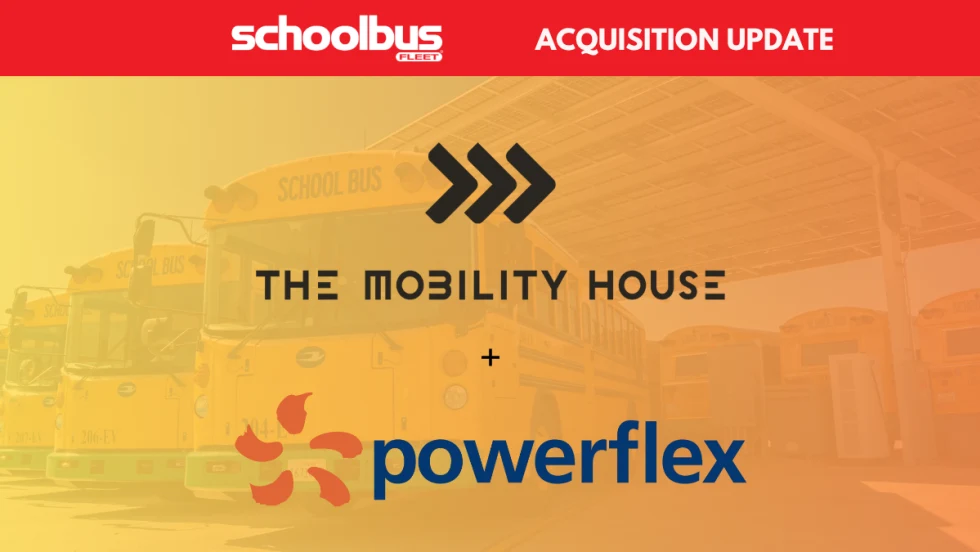
The Mobility House Joins PowerFlex in Fleet Electrification Deal
The acquisition combines intelligent charging software, bidirectional charging expertise, and fleet electrification services to support the growing adoption of electric school buses across North America.
Read More →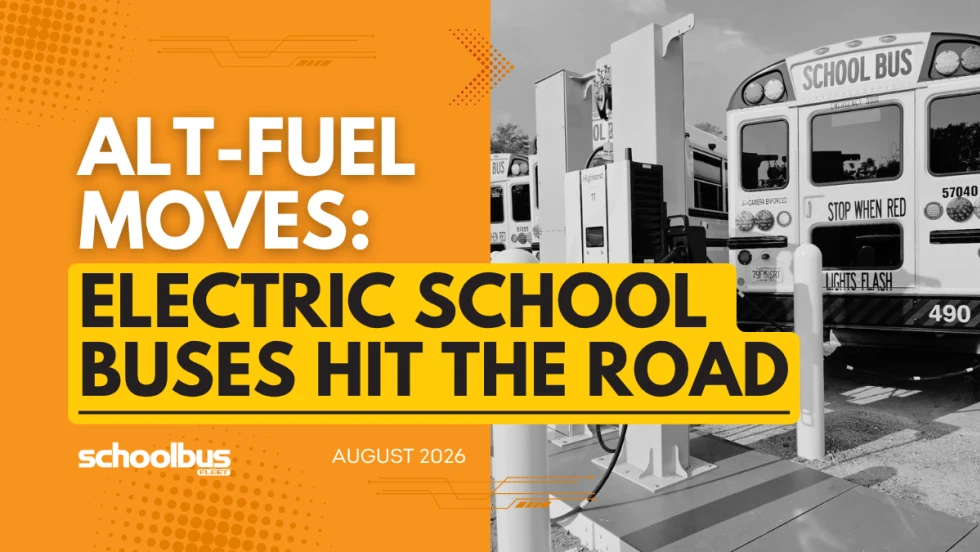
Alt-Fuel Moves: Electric School Bus Investments Hit the Road
See which districts across the U.S. are putting electric school buses into service, expanding charging infrastructure, and planning the next phase of fleet electrification.
Read More →
With Fuel Volatility Ahead, School Districts Turn to Propane
While diesel prices peaked above $5 this spring, districts with propane autogas-powered fleets paid under $2 per gallon, according to PERC.
Read More →
EPA Unveils Proposed Changes to 2027 Heavy-Duty Engine Rules
The federal agency has proposed changes to next year’s targets that would eliminate DEF derates, ease warranty requirements, and retain current NOx emissions standards.
Read More →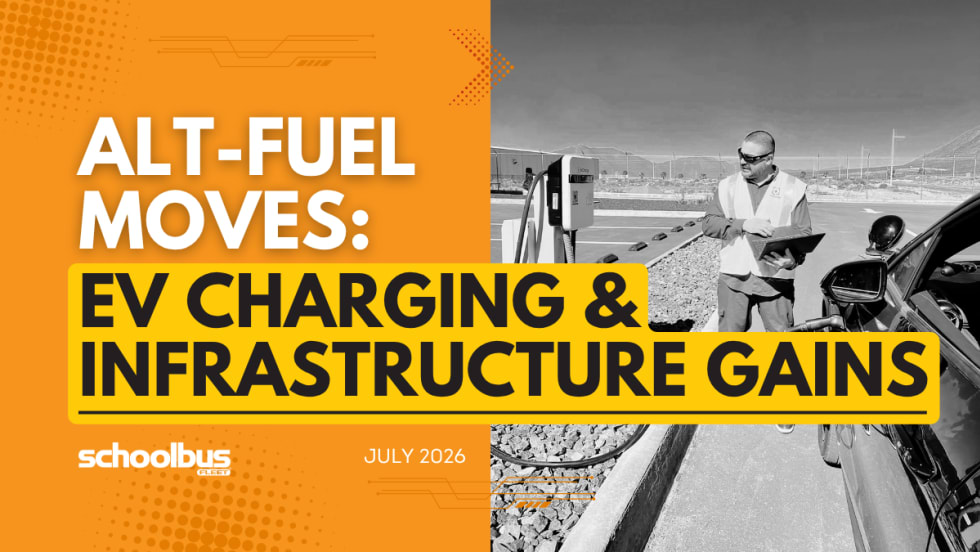
Alt-Fuel Moves: EV Charging & Infrastructure Projects Gain Momentum
The latest developments include new funding, charging infrastructure, utility investments, and fleet technologies designed to support the transition to electric school buses nationwide.
Read More →