





For More Information: 5 Factors to Consider with Electric School Buses
New Joint Report Explores Benefits of Electric-Powered School Transportation
Transportation electrification advocates teamed with Exelon to develop a white paper about the transition to EV school buses.
December 19, 2023
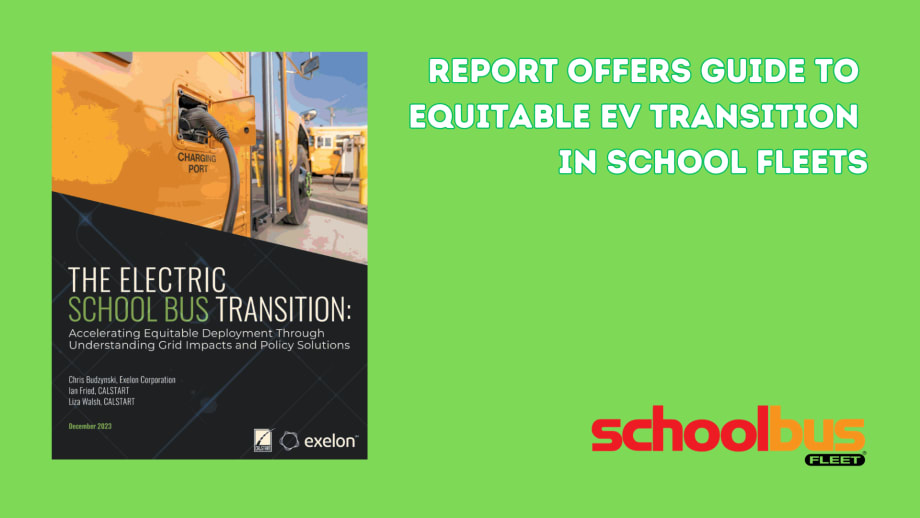
The new report is a joint effort by Exelon and several school fleet electrification advocacy organizations.
Image: Canva
3 min to read
Replacing all diesel school buses with new electric vehicles would avoid about 9 million metric tons of greenhouse gas emissions per year, and funding opportunities like the Environmental Protection Agency’s Clean School Bus Program provide motivation to accelerate the fleet’s electrification.
A new report developed by Exelon in partnership with CALSTART, EPRI, Clean Energy Works, World Resources Institute, and Edison Electric Institute, offers a guide for public utility commissions, policymakers, and school bus operators hoping to reduce common barriers to adoption and aim for an equitable transition.
The Promise of Fleet Electrification
“School bus electrification has the potential to transform the energy grid by providing stability, capacity and emergency power when needed, but most importantly, this change will transform the lives of the students we serve as well,” said Sunny Elebua, Exelon's chief strategy and sustainability officer. “At Exelon, we are committed to sustainable progress, particularly in communities where there are marked disparities such as air quality. We are proud of this study and the opportunity to address disparities and foster healthier communities.”
About 25 million American children rely on school bus travel for safe transportation to and from school, accounting for billions of miles traveled each year.
Efforts to reduce diesel exhaust from older diesel engines can offer health solutions and reduce harmful emissions – particularly in under-resourced communities that are most affected. Almost 95% of school buses, carrying 55% of all students, run on diesel.
On average, 60% of low-income students ride the bus each day, compare to 45% of students in other income brackets. Black students and children with disabilities also rely more on diesel buses.
Making an Equitable Shift in the School Transportation Fleet
"School bus electrification must scale up quickly and comprehensively to ensure an equitable transition and equal access to zero-emission technologies if we want to both address climate change and also create opportunities for jobs in the zero-emission sector,” said Jared Schnader, senior director and bus initiative lead at CALSTART. "Zooming in on the critical role of electric utilities, as well as clarifying the interactions school districts and operators will need to have with their utilities, will enable this transformation to unfold swiftly and cost-efficiently."
“Electric school buses provide many benefits to the utility as well as the community. But without carefully considering how to operationalize equity, these benefits run the risk of being unevenly distributed,” said Margarita Parra, director of transportation decarbonization at Clean Energy Works. “Equity can serve as a pathway for utilities to be more efficient and effective in achieving their business and energy management goals, while addressing inequities and improving the quality of life for students, teachers, bus drivers, and the local community.”
“EEI and our member electric companies are committed to delivering resilient clean energy across our economy, and we are excited about all of the work underway to use that energy to reduce emissions from the transportation sector,” said EEI Senior Director of Electric Transportation Kellen Schefter.
“Contributing to this project highlights EPRI’s core mission to benefit society,” said David Porter, vice president of electrification and sustainable energy strategy, EPRI. “It not only advances the clean energy transition, but also benefits the millions of children and local residents impacted by cleaner transportation to and from school.”
“The importance of robust engagement by electric utilities in this transition cannot be overstated,” said Sue Gander, director of the WRI’s Electric School Bus Initiative. “This new whitepaper describes the electric power sector’s unique and critical role in school bus electrification. We look forward to supporting utilities in bringing these recommendations to life – to unlock health, environmental, economic, and grid benefits for communities, starting with underserved communities that experience the worst impacts of vehicle pollution today.”
More Alternative Fuels

CALSTART and Forth Combine to Form Catalyst Mobility
The new name represents a renewed vision for the nonprofit focused on advancing clean, equitable, and affordable transportation solutions that move people and goods.
Read More →
Alt-Fuel Moves: New Buses, Charging Hubs & Real-World EV Testing
Propane and electric school bus deployments continue to grow as districts add new vehicles, expand charging infrastructure, and gather more real-world operating data.
Read More →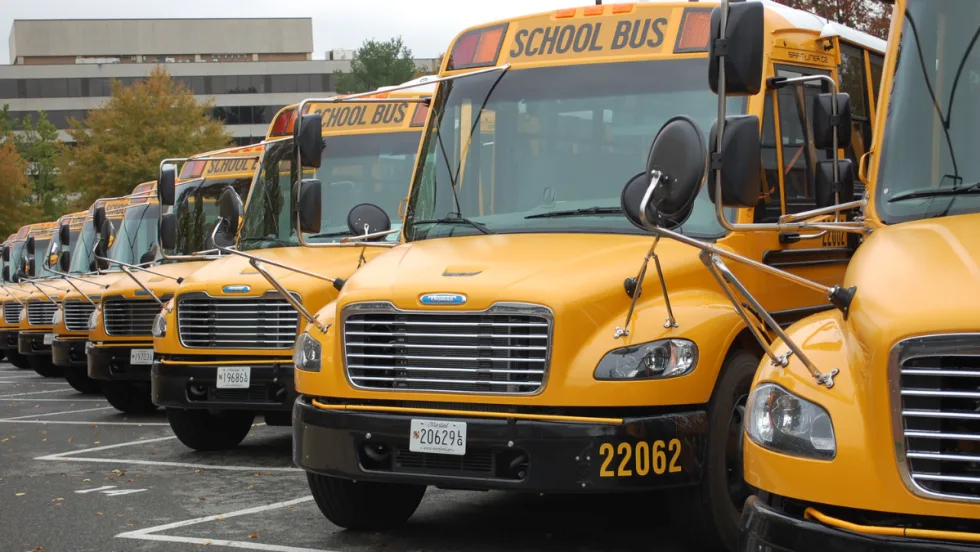
Fewer Electric School Bus Models Reshape the U.S. Market
WRI’s latest buyer’s guide points to a consolidating electric school bus market, but fewer options may reflect a maturing industry rather than fewer meaningful choices for school bus operators.
Read More →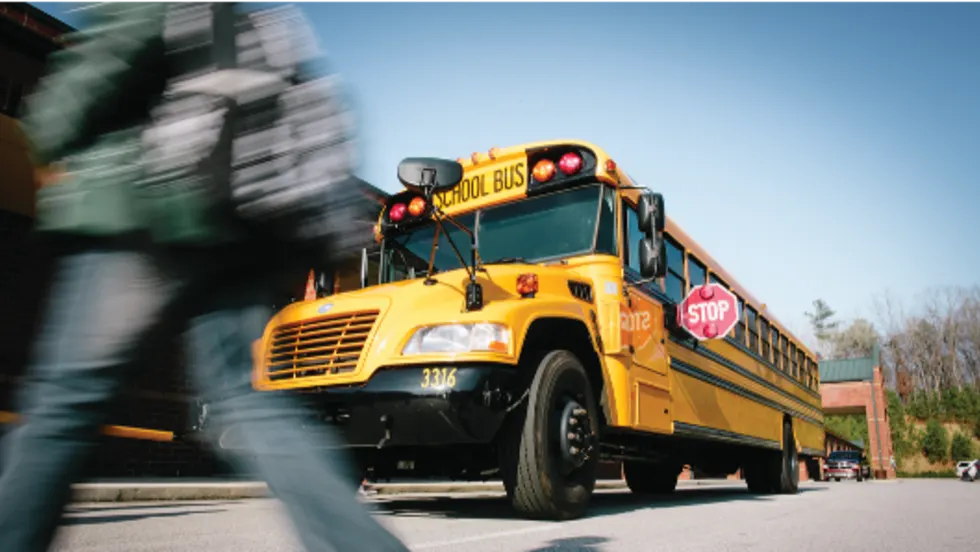
The Fuel Budget You Can Actually Predict: How Propane Autogas Keeps Money in the Classroom
Learn how propane autogas helps school districts manage fuel costs with predictable pricing, lower maintenance, and reduced emissions from former transportation director Joel Stutheit.
Read More →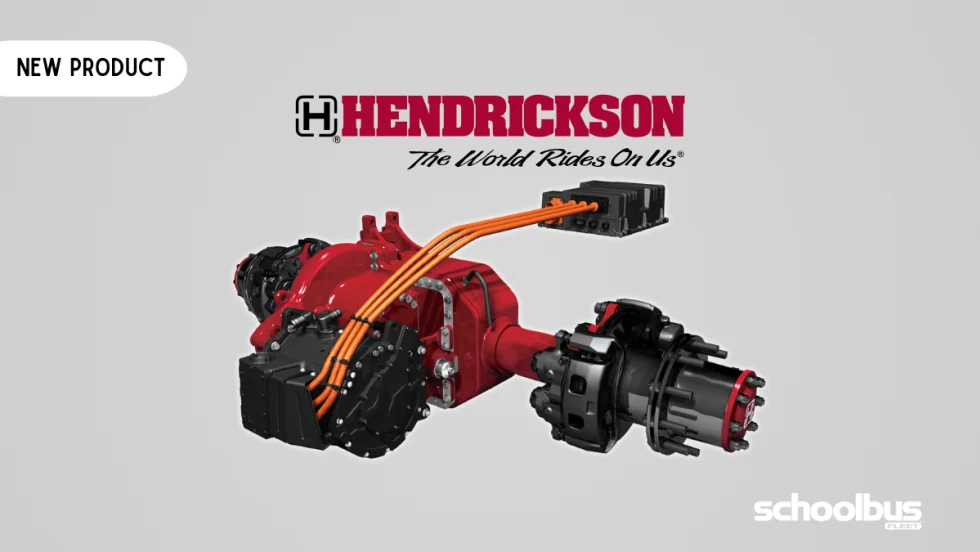
Hendrickson, Driventic Introduce New Electric Powertrain for School Buses
ELECTRAAX, the electrified, lightweight drive axle offers integrated ePowertrain efficiency and modular flexibility for Class 6–7 school bus use.
Read More →
The Mobility House Joins PowerFlex in Fleet Electrification Deal
The acquisition combines intelligent charging software, bidirectional charging expertise, and fleet electrification services to support the growing adoption of electric school buses across North America.
Read More →
Alt-Fuel Moves: Electric School Bus Investments Hit the Road
See which districts across the U.S. are putting electric school buses into service, expanding charging infrastructure, and planning the next phase of fleet electrification.
Read More →
With Fuel Volatility Ahead, School Districts Turn to Propane
While diesel prices peaked above $5 this spring, districts with propane autogas-powered fleets paid under $2 per gallon, according to PERC.
Read More →
EPA Unveils Proposed Changes to 2027 Heavy-Duty Engine Rules
The federal agency has proposed changes to next year’s targets that would eliminate DEF derates, ease warranty requirements, and retain current NOx emissions standards.
Read More →
Alt-Fuel Moves: EV Charging & Infrastructure Projects Gain Momentum
The latest developments include new funding, charging infrastructure, utility investments, and fleet technologies designed to support the transition to electric school buses nationwide.
Read More →