



Check Out: Navistar CEO Calls for Long-Term Commitment to Get to Net Zero
Navistar Report Focused on Sustainable Future
Highlights from the sustainability report include the launch of two zero-emissions products, the creation of a mobile educational experience tailored to ZEVs, and more.
August 3, 2022

Navistar's 2021 sustainability report focused on creating value to address the impact of a more sustainable future.
Photo: Navistar
2 min to read
Navistar has released its 2021 sustainability report, focused on the company's environmental, social, and governance activities. The company's sustainability strategy is moving beyond risk mitigation into value creation to address the impact a more sustainable future would have on customers and society at large, according to a press release.
The 2021 sustainability report takes a look into sustainability at Navistar, including people, planet, responsibility, and impact. The report also introduces the company's new vision – to accelerate the impact of sustainable mobility – and strategy which prioritizes sustainability as a strategic focus area.
"2021 has been a year of significant change that will set the stage for the future; not only for us at Navistar, but also industry-wide as megatrends like electric and autonomous vehicles emerge," said CEO Mathias Carlbaum. "Navistar is committed to creating a better, healthier world for future generations to thrive in, and we absolutely will accomplish that with a strategic roadmap."
Here are some highlights from the 2021 sustainability report:
Launched two zero-emissions products, a medium-duty vehicle and a school bus. The fully electric zero-emissions vehicles (ZEVs) can, depending on the emissions profile of the electricity used to charge them, enable a fully zero-emissions footprint.
Recognizing a critical need for education around the ZEVs ecosystem, Navistar's NEXT Solutions team designed an all-inclusive, mobile educational experience tailored to ZEV sales or service training, to tour North America.
Committed to a 20% improvement in energy intensity with the U.S. Department of Energy Better Plants program. Navistar also began work on what will be a foundational effort, setting science-based targets that will be submitted to the Science-based Targets Initiative.
Identified education, equity, and the environment as primary impact areas and began developing a focused giving strategy to support meaningful change in the communities where we live and work.
Created a diversity demographics dashboard to help drive changes in diversity representation across the company. Accessible by all people managers, this tool indicates real-time demographics including gender, race, and age, among other details.
Partnered with the National Institute for Automotive Service Excellence (ASE), and SkillsUSA, Navistar built the TECH EmPOWERment platform to support our dealer network in their efforts to recruit, train, and retain qualified personnel. TECH EmPOWERment helps facilitate donations of heavy equipment, training aids, and supplies to technical programs for the purpose of training students to service International trucks and IC Bus vehicles upon graduation. In total, 36 equipment donations were made in 2021 to 32 schools across the U.S. and Canada.
The full 2021 Navistar Sustainability Report can be viewed and downloaded here.
More Alternative Fuels
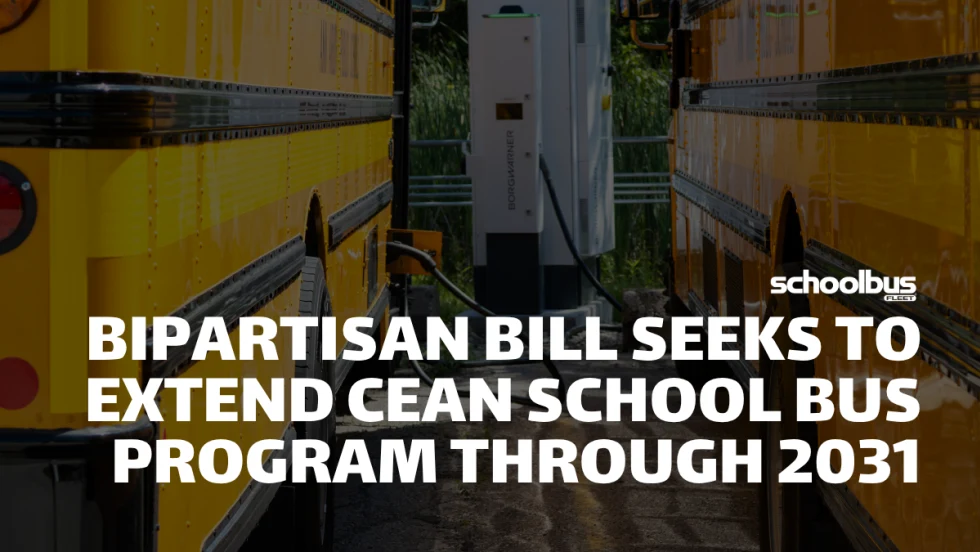
Bipartisan Bill Seeks to Extend Clean School Bus Program Through 2031
The proposed legislation would renew federal support for cleaner school buses as districts navigate funding uncertainty, rising fuel and infrastructure costs, and fleet replacement needs.
Read More →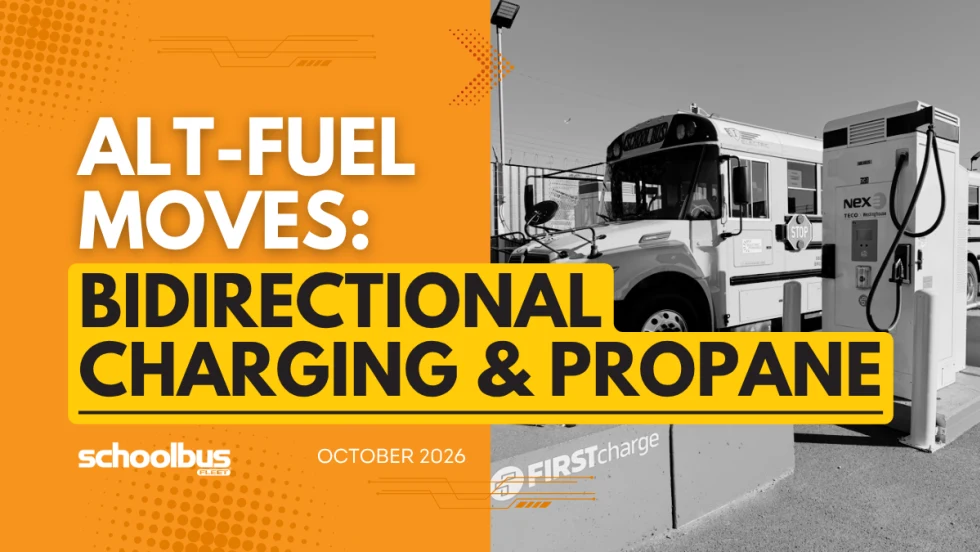
Alt-Fuel Moves: Electric Bus Rollouts, Bidirectional Charging & Propane Growth
See which fleets are adding electric and propane school buses as districts and operators invest in charging infrastructure, bidirectional technology, and alternative-fuel expansion.
Read More →
Nobody Told Diesel Prices They Were Supposed to Come Down
With diesel prices surging, school bus fleets have new reason to stress-test fuel costs, consider diversification, and calculate what each route really costs to operate.
Read More →
Why Gasoline School Buses Are Making a Comeback
Gasoline is gaining ground in full-size school buses. See how today’s options stack up against diesel on cost, maintenance, emissions, performance, and more.
Read More →
EPA Opens $180M DERA Funding Round for Diesel Upgrades
The 2026 Diesel Emissions Reduction Act program seeks applications from eligible organizations to accelerate the retirement of legacy diesel vehicles.
Read More →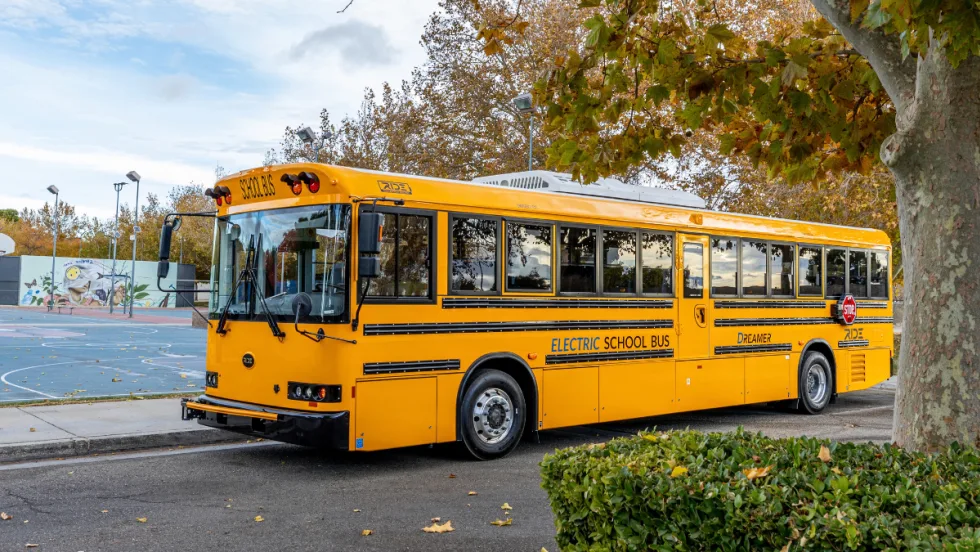
The Secret Life of an Electric School Bus Battery
Batteries change throughout years of daily routes, but degradation doesn’t necessarily mean the end. Here’s what operators should know about performance, safety, and second life.
Read More →
CALSTART and Forth Combine to Form Catalyst Mobility
The new name represents a renewed vision for the nonprofit focused on advancing clean, equitable, and affordable transportation solutions that move people and goods.
Read More →
Alt-Fuel Moves: New Buses, Charging Hubs & Real-World EV Testing
Propane and electric school bus deployments continue to grow as districts add new vehicles, expand charging infrastructure, and gather more real-world operating data.
Read More →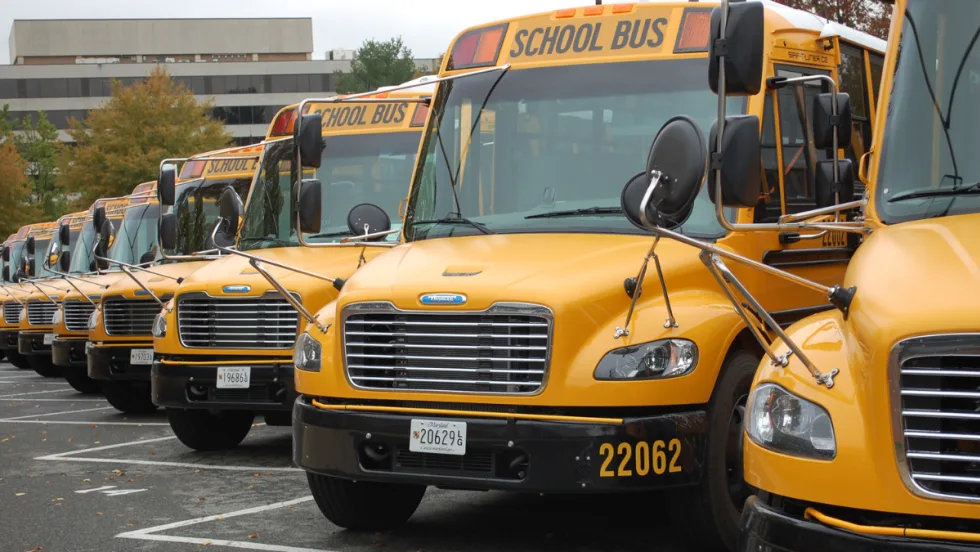
Fewer Electric School Bus Models Reshape the U.S. Market
WRI’s latest buyer’s guide points to a consolidating electric school bus market, but fewer options may reflect a maturing industry rather than fewer meaningful choices for school bus operators.
Read More →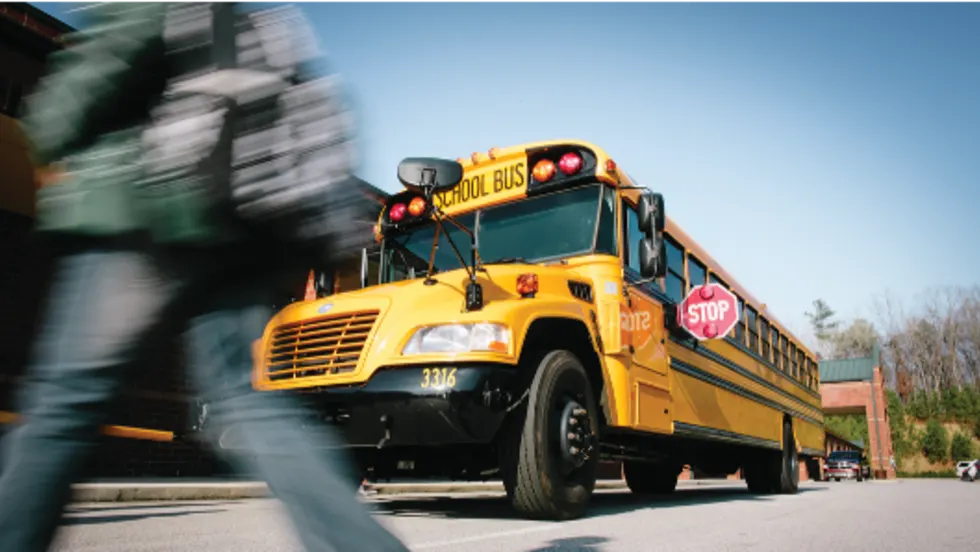
The Fuel Budget You Can Actually Predict: How Propane Autogas Keeps Money in the Classroom
Learn how propane autogas helps school districts manage fuel costs with predictable pricing, lower maintenance, and reduced emissions from former transportation director Joel Stutheit.
Read More →