





Want More Funding Facts? How to Find Funding for Alt-Fuel School Buses
Mississippi's First Electric School Bus Arrives
The Thomas Built Buses C-2 Jouley replaces a diesel bus, transporting students with a 138-mile range on a single charge.
December 5, 2022
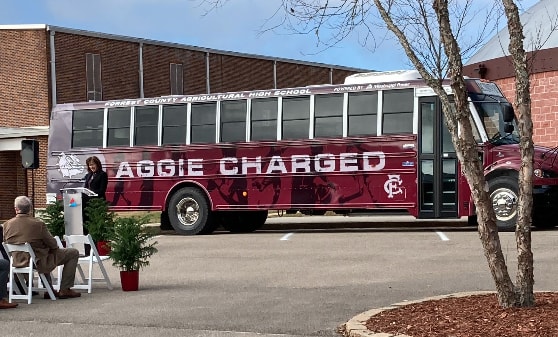
The new electric school bus in Brooklyn is the first of its kind operating in Mississippi.
Photo: Forrest County Agricultural High School
2 min to read
The first electric school bus in Mississippi is now operating in the town of Brooklyn at Forrest County Agricultural High School.
Representatives from Mississippi Power and the school celebrated the occasion with a ribbon-cutting ceremony. The bus, a Thomas Built Buses C-2 Jouley, replaces a diesel bus. It’s expected to carry students as far as 138 miles on a single charge.
“We are excited for this monumental day for the state of Mississippi,” said Giff Ormes, marketing and sales director for Mississippi Power. “Nine Mississippi school districts were recently awarded more than $36 million from the Bipartisan Infrastructure Law. Working with our partners in education, we’re able to stay at the forefront of adoption as electric school buses become the norm.”
Forrest County Agricultural High School is the only independently functioning agricultural high school in the state of Mississippi and was listed as a Mississippi landmark in 1996. The school plans to use the electric bus to provide students with transportation to sporting events and educational functions.
“Forrest County Agricultural High School has always embraced its roots and demonstrated innovation in the business and technology of agriculture,” said FCAHS Foundation Board President Alania Cedillo. “The pursuit of an electric school bus is an extension of that philosophy, and we would like to thank Mississippi Power for their partnership, Empire Trucking for their support, and FCAHS leadership for their inspiration.”
“Forrest County Agricultural High School is thankful to be a part of this partnership with the FCAHS Foundation and Mississippi Power to receive an electric bus,” said Donna Boone, Forrest County Agricultural High School superintendent. “As a rural school district, we are excited to have an opportunity to improve air quality with lower emissions and utilize the bus as a teaching tool for environmental citizenship.”
The bus will run on two 113 kWh batteries with a total capacity of 226 kWh – enough energy to power an LED light bulb for more than two years without ever turning it off. A 60 kW DC fast charger was installed at the school to fully charge the electric bus in three and a half hours.
“It is no secret that electric school buses are built to make tomorrow cleaner, greener and brighter,” said Keith Winham, Empire Bus sales manager. “However, they are also designed with innovations to make today’s school routes smarter, more efficient and even safer. The future has arrived – right on schedule.”
More Alternative Fuels

CALSTART and Forth Combine to Form Catalyst Mobility
The new name represents a renewed vision for the nonprofit focused on advancing clean, equitable, and affordable transportation solutions that move people and goods.
Read More →
Alt-Fuel Moves: New Buses, Charging Hubs & Real-World EV Testing
Propane and electric school bus deployments continue to grow as districts add new vehicles, expand charging infrastructure, and gather more real-world operating data.
Read More →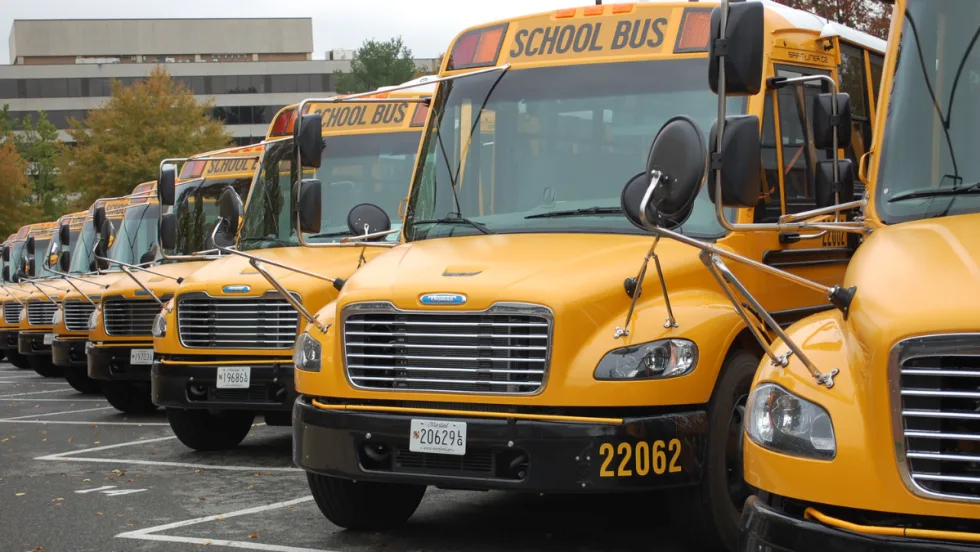
Fewer Electric School Bus Models Reshape the U.S. Market
WRI’s latest buyer’s guide points to a consolidating electric school bus market, but fewer options may reflect a maturing industry rather than fewer meaningful choices for school bus operators.
Read More →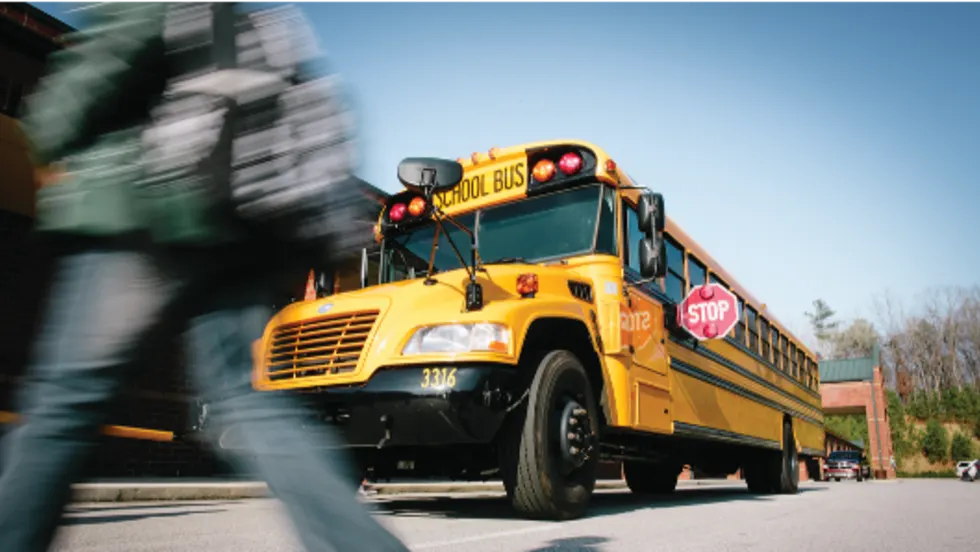
The Fuel Budget You Can Actually Predict: How Propane Autogas Keeps Money in the Classroom
Learn how propane autogas helps school districts manage fuel costs with predictable pricing, lower maintenance, and reduced emissions from former transportation director Joel Stutheit.
Read More →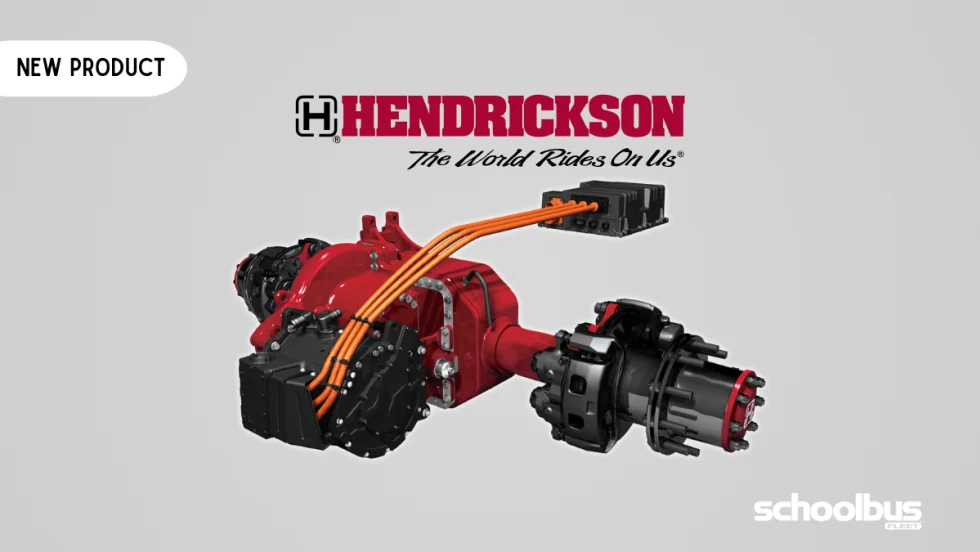
Hendrickson, Driventic Introduce New Electric Powertrain for School Buses
ELECTRAAX, the electrified, lightweight drive axle offers integrated ePowertrain efficiency and modular flexibility for Class 6–7 school bus use.
Read More →
The Mobility House Joins PowerFlex in Fleet Electrification Deal
The acquisition combines intelligent charging software, bidirectional charging expertise, and fleet electrification services to support the growing adoption of electric school buses across North America.
Read More →
Alt-Fuel Moves: Electric School Bus Investments Hit the Road
See which districts across the U.S. are putting electric school buses into service, expanding charging infrastructure, and planning the next phase of fleet electrification.
Read More →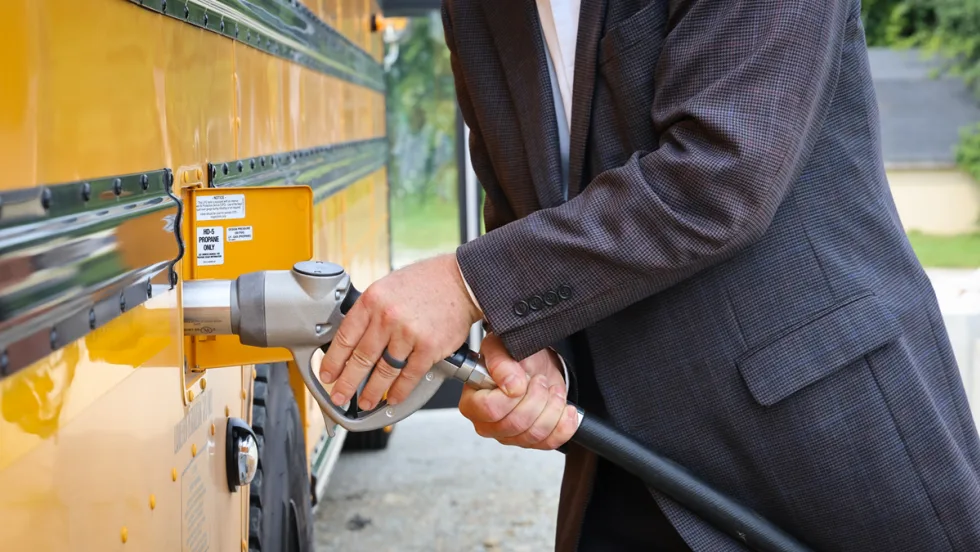
With Fuel Volatility Ahead, School Districts Turn to Propane
While diesel prices peaked above $5 this spring, districts with propane autogas-powered fleets paid under $2 per gallon, according to PERC.
Read More →
EPA Unveils Proposed Changes to 2027 Heavy-Duty Engine Rules
The federal agency has proposed changes to next year’s targets that would eliminate DEF derates, ease warranty requirements, and retain current NOx emissions standards.
Read More →
Alt-Fuel Moves: EV Charging & Infrastructure Projects Gain Momentum
The latest developments include new funding, charging infrastructure, utility investments, and fleet technologies designed to support the transition to electric school buses nationwide.
Read More →