




Related: Driver Agility Testing: Variations and Applications Nationwide
Maine Considering New Physical Fitness Standards for School Bus Drivers
In response to National Transportation Safety Board findings in the fatal Iowa school bus fire in 2017, the state is looking at adopting new physical performance testing for drivers.

Nicole Schlosser・Former Executive Editor

Maine is looking at adopting new physical performance testing for drivers. File photo by Scott Thorner
4 min to read

Maine is looking at adopting new physical performance testing for drivers. File photo by Scott Thorner
AUGUSTA, Maine — In response to National Transportation Safety Board (NTSB) findings in the fatal Iowa school bus fire in 2017, the state is considering adopting new physical fitness requirements for school bus drivers.
Maine Department of Education officials are looking at adding physical performance test requirements, as well as requirements for seat belts on all large school buses and uniform standards for annual driver physicals, according to a news release from the department.
The NTSB sent a letter to Maine and the 43 other states that don’t require physical performance tests for bus drivers to urge them to do so, according to a news release from the state Department of Education. The letter came after an investigation found that a lack of physical fitness testing was a factor in the December 2017 school bus fire that killed the driver and the one student aboard the bus.
As SBF previously reported, a medical report released by the NTSB revealed that the driver had trouble walking and a history of medical issues leading up to the fire, including back pain and difficulty sleeping. However, the medical report did note that Hendricks was found to be qualified for a commercial driver’s license on an exam dated March 6, 2017, and that the certificate was valid for two years.
The department is talking to other state agencies that oversee school bus drivers and school districts about moving ahead with the recommendation.
Driver shortage is being taken into consideration. Daniel Chuhta, the deputy commissioner for the Maine Department of Education, told Portland Press Herald that the department is “aware of the fact we need to balance safety with the fact we also need to make sure we have a workforce able to do this work."
Adam Mayo, the president of the Maine Association for Pupil Transportation (MAPT) and the transportation director for Maine School Administrative District No. 75, told School Bus Fleet that over the last two years, there have been changes in state school bus driver physicals that have included the rewriting of Chapter 82, a driver fitness determination requirement, which mandated an annual U.S. Department of Transportation physical for all school bus drivers, and then its repeal in March 2018.
After the repeal of Chapter 82, school districts were required to continue to fulfill longtime Maine state statute requiring school bus drivers to have an annual physical at the cost of the employer, although the criteria and format of the physical were at the discretion of the individual school district or other employer.
Also in the last two years, Mayo added, MAPT members have met with state congressional and Department of Education officials, Maine Bureau of Motor Vehicles representatives, and doctors to require a state agency to oversee school bus driver physicals and to establish a standard physical form.
“What uniform standards would look like and who would administer the exams (a registered doctor vs. a personal doctor) have been points of debate among those in Maine,” Mayo said. “Without a uniform exam, each district would potentially have different standards. What would be the best practice standard to determine if a driver was fit for duty? If an incident occurred, what would hold up in court with the state not having a standard school bus driver physical?”
The health of school bus drivers has been closely scrutinized, particularly in recent NTSB reports, Mayo said, and pupil transporters in the state need a common standard to refer to.
“In transportation, we have to be about safety — of the drivers and the passengers we transport,” he added. “When the state looks at what is currently in place (minimal standards) and ways to make those safety standards stronger and align with federal NTSB recommendations, it is at least a step in the right direction. Anytime we can improve those safety standards is a plus.”
MAPT has worked to get uniform standards into place since the repeal of Chapter 82.
“We see far too many incidents regarding school bus transportation that come back to the physical condition of the school bus driver or oversite of a safety factor,” Mayo said. “We need to do all we can to ensure we have best practices in place and ensure they are followed across the state.”
The Maine Department of Education is hosting a webinar to discuss the issue with Maine Association for Pupil Transportation and Maine school administrative unit staff, including school bus drivers, transportation directors, business managers, and superintendents, on Friday.
More Safety

How to Build a Better School Bus Driver Training Program
Is it time to strengthen your driver training? Here’s how to pick the right talent and improve recruitment, retention, and safety. This video is brought to you by IC Bus.
Read More →
Recent School Bus Accidents Leave 2 Dead, 2 Injured
Four school bus crashes in Florida, Illinois, and Georgia highlight risks in transportation lots, at bus stops, and during student loading and unloading.
Read More →
Sponsored•September 8, 2026
When Every Second Matters, Clarity Keeps Routes Moving
From routine delays to urgent incidents, strong communication practices help drivers, dispatchers, schools, and families respond with confidence.
Read More →

What Happens When a School Bus Catches Fire — and What Can Help
School bus fires are rare but can be devastating. Learn how advances in fire suppression and asset protection help fleets detect fires earlier, reduce damage, and improve safety.
Read More →
Geotab Launches Tool to Help Fleets Investigate Road Incidents
Geotab Investigations combines telematics data, video, documents, and other evidence to help fleets reconstruct incidents, resolve claims, and determine what happened.
Read More →
Texas Sixth Grader Wins 2026 National School Bus Safety Poster Contest
Sai Darshana Yekolu of Moseley Middle School in Prosper, Texas, was named the newest winner for her artwork, bringing the theme of “Safe Rides, Everyday Heroes” to life.
Read More →
Sponsored•August 27, 2026
Doing More With Less: How Transportation Directors Can Prioritize Safety Amid Budget Uncertainty
With diesel prices soaring and nearly one-third of transportation directors expecting budget cuts, maintaining student safety has never been more challenging. Download this guide to learn how leading districts are prioritizing risk, funding critical safety technology, and building stronger budget cases with data.
Read More →
Walton County Schools Adds Gatekeeper Stop-Arm Enforcement System
The Florida district will deploy Gatekeeper’s updated Student Protector technology, which now incorporates AI to improve video evidence.
Read More →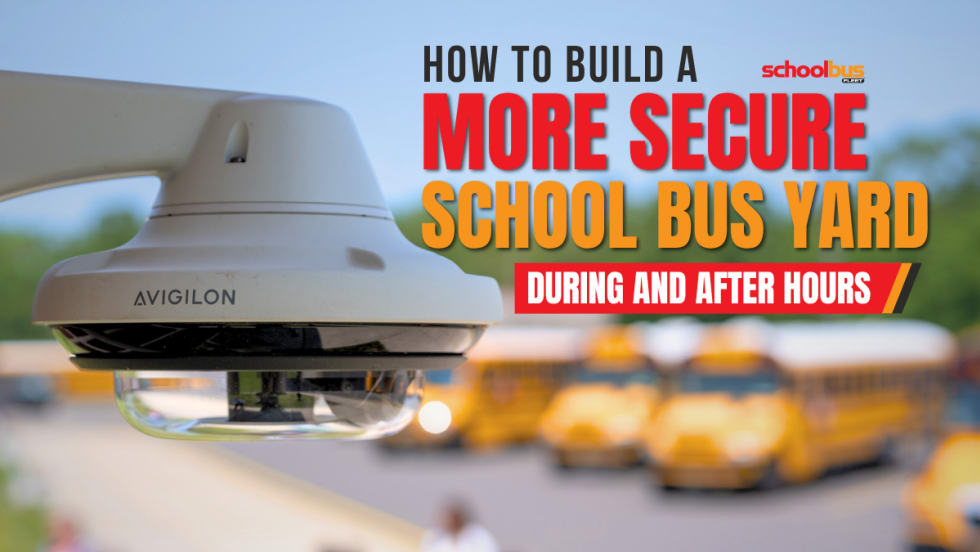
How To Build a More Secure School Bus Yard During and After Hours
As thefts and overnight security threats continue, school transportation leaders are combining stronger operational practices with AI-enabled surveillance to better protect buses, facilities, and staff.
Read More →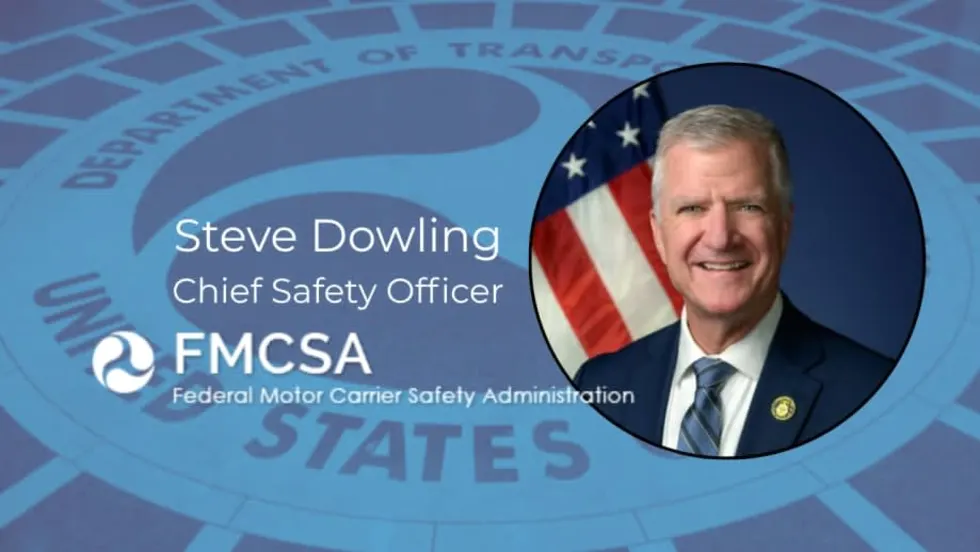
FMCSA Names New Chief Safety Officer: What School Bus Operators Should Know
Steve Dowling is set to lead the federal agency's efforts to advance commercial motor vehicle safety and reduce crashes, fatalities, and injuries on the nation's roadways.
Read More →