




NTSB Report: Driver Had Medical Problems Before Iowa School Bus Fire
The National Transportation Safety Board releases information revealing Donald Hendricks had trouble walking and other medical issues leading up to the fire.

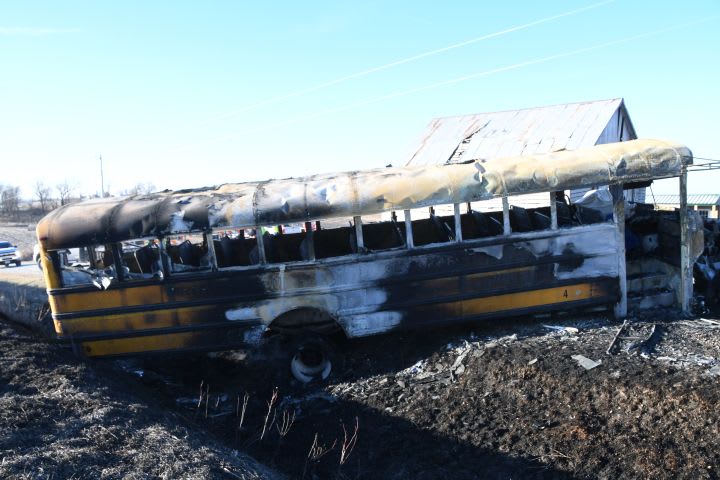
The driver who was involved in a fatal school bus fire in Iowa had trouble walking, as well as other medical issues, according to documents released by the NTSB. Photo courtesy Pottawattamie County Sheriff's Office
The driver who was involved in a fatal school bus fire in Iowa had trouble walking, as well as other medical issues, according to documents released by the NTSB. Photo courtesy Pottawattamie County Sheriff's Office
WASHINGTON, D.C. — The driver who was involved in a fatal school bus fire in Iowa had trouble walking, as well as other medical issues, according to documents released by the National Transportation Safety Board (NTSB).
The NTSB plans to meet next month to determine the probable cause of the fire, and recently released information revealing that the school bus driver, Donald Hendricks, 74, had back pain, difficulty sleeping, and had a history of high blood pressure and cholesterol and diabetes.
As SBF previously reported, Hendricks and student Megan Klindt, 16, died in the Dec. 12, 2017 school bus fire in a rural area near the small town of Oakland. Hendricks and Klindt were the only two occupants of the bus at the time.
According to a preliminary report released by the NTSB in January 2018, Hendricks was driving a 2004 International Type C school bus owned and operated by Riverside Community School District. Around 6:50 a.m., he turned right from a gravel road onto a driveway to pick up Klindt at the farm where she lived.
As Hendricks backed the bus out of the driveway, its right dual rear wheels crossed an earthen strip next to the road and dropped into a 3-foot-deep ditch. The wheels lost traction, and the bus became stuck, with about half of it sticking out across the gravel road, according to the NTSB’s report. As Hendricks tried to move the bus forward out of the ditch, a fire broke out in the engine compartment and spread into the passenger compartment. At some point, grass and vegetation near the back of the bus also caught fire.
The Iowa Office of the State Medical Examiner determined that Hendricks and Klindt died from “smoke and soot inhalation and thermal injuries.”
As SBF reported in January 2018, it was unclear why Hendricks and Klindt didn’t exit the bus.
However, regarding Hendricks, a medical report from the NTSB indicates that he had a history of medical issues leading up to the fire, including recurring back pain due to degenerative disc disease. He had reported a month before the accident that he had back pain and couldn’t walk without using a walker or crutches, and was “sleeping less than 4 hours at a time,” according to the report. A neurosurgeon recommended surgery, since Hendricks was apparently “reaching the point where he was having difficulty performing activities of daily living.” A surgery had been scheduled for two days after the accident occurred, the medical report states.
The report did note that Hendricks was found to be qualified for a commercial driver's license on an exam dated March 6, 2017, and that the certificate was valid for two years.
The NTSB will hold a board meeting to determine the cause of the fire on June 18 at 9:30 a.m. Eastern Time (EDT). A link to the webcast will be available shortly before the start of the meeting here.
More Safety
North Carolina Student Killed While Boarding School Bus, Two Die in Utah Bus Crash
A Southern Nash High School student died after being struck by a pickup truck while approaching her school bus. In a separate incident, two people were killed after crashing into a school bus in Utah.
Read More →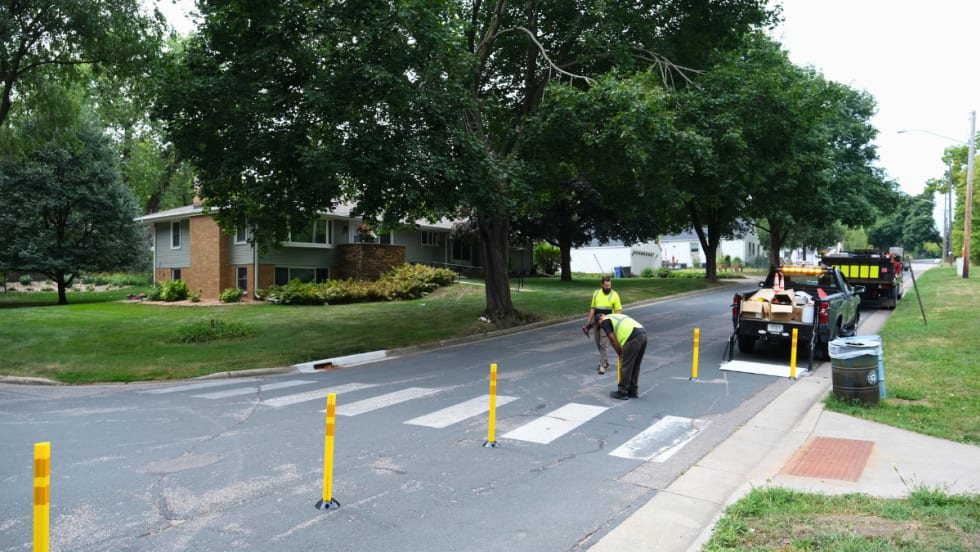
Minneapolis School Zone Pilot Cuts Speeding 41% with Low-Cost Street Design Changes
In a pilot project in Minnesota, two school-area intersections had low-cost, temporary road and traffic flow improvements made to measure the impact on roadway and student safety. Here's what they found.
Read More →
Sitestream, Safety Vision Partner with Connecticut City to Launch School Bus Stop-Arm Camera Program
The new enforcement initiative combines camera technology and violation management software to document illegal school bus passing, encourage driver compliance, and enhance student safety.
Read More →

From Reactive to Proactive: Making Every Ride Visible
Smart technology only delivers its full value when it works together. See how Catalyst connects proven industry platforms to move student transportation from reactive to proactive.
Read More →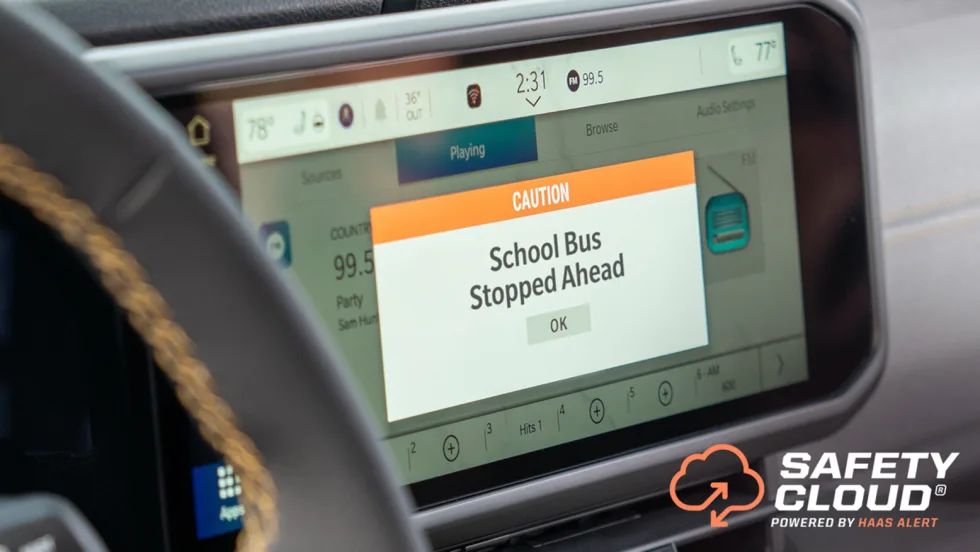
HAAS Alert’s Safety Cloud Warns Motorists of Stopped School Buses
Through a transponder or Samsara connection, the product lets school bus fleets send advance warnings to approaching drivers through in-vehicle alerts.
Read More →
HopSkipDrive Reports Progress on Safety Advisory Council
More than a year after forming the council, independent safety experts have helped shape new rider-safety features and policy progress, with a new goal to address rider behavior.
Read More →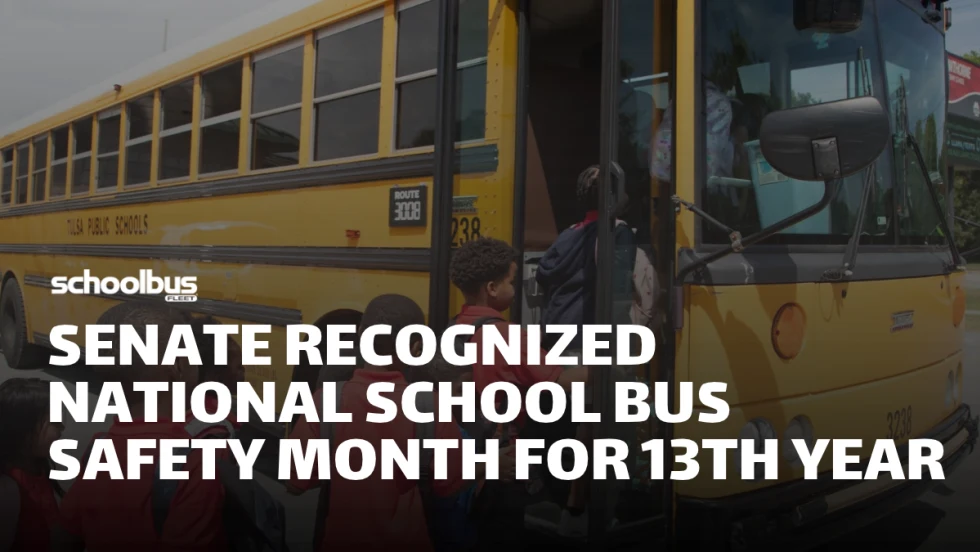
What the 2026 National School Bus Safety Month Resolution Means for Student Transportation
The bipartisan resolution highlights illegal school bus passing, student safety during loading and unloading, and the need for driver training and public education.
Read More →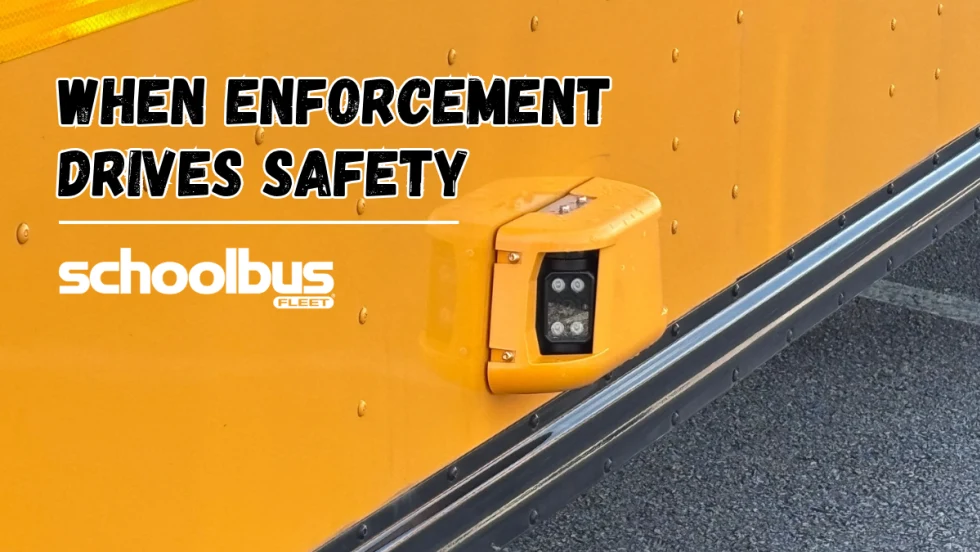
School Bus Stop-Arm Violations Decline 53% Across Verra Mobility Programs
Verra Mobility shares how school bus stop-arm cameras and school zone safety programs are changing driver behavior, reducing violations, and protecting students.
Read More →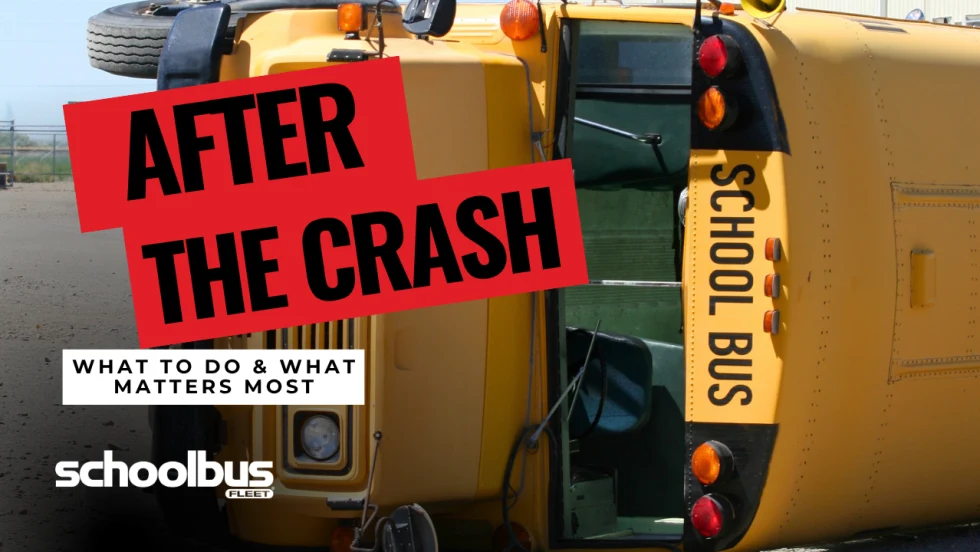
Most Bus Crashes Aren’t Your Fault. Here’s How to Prove It.
A guide for what to do in between a school bus crash and a claim: what to preserve, who to notify, and how to keep the facts available when they matter.
Read More →
National School Bus Safety Week 2026: Tips, Toolkits & Resources to Keep Students Safe
School bus safety takes more than awareness. Explore expert tips, enforcement strategies, and free resources to help protect students on every ride.
Read More →