





Related News: Partnership Expands BusGates Stop-Arm Tech Amid Millions of Annual Violations
Child Safety Network Taps Dr. Michael C. Hout to Combat School Bus Stop-Arm Runners
Child Safety Network appointed psychology researcher Michael C. Hout, Ph.D., to lead a study examining why drivers illegally pass stopped school buses.
March 6, 2026
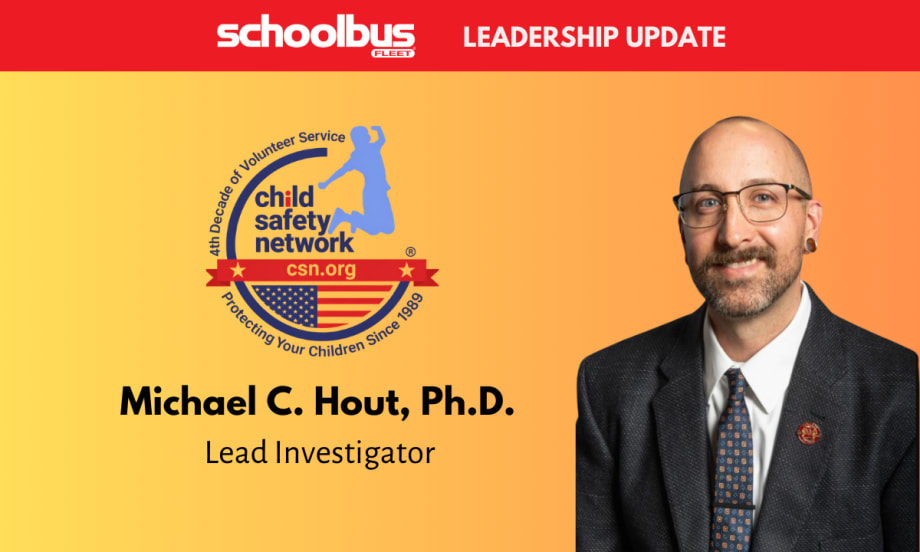
Michael C. Hout, Ph.D., assistant dean and professor of psychology at New Mexico State University, is the new chief scientific investigator for research on illegal school bus passing violations.
Credit:
Child Safety Network/School Bus Fleet
3 min to read
- Child Safety Network has appointed Dr. Michael C. Hout to lead a new study on school bus safety.
- The focus of the study is to investigate the reasons behind drivers illegally passing stopped school buses.
- Dr. Hout is a psychology researcher, bringing expertise to this important child safety issue.
*Summarized by AI
Each school day, nearly 25 million children board and exit approximately 500,000 school buses across the United States. National estimates suggest tens of millions of illegal passing violations occur each year, placing students at risk during roughly 180 school days of morning pickups and afternoon drop-offs.
Research Leadership Appointment
Child Safety Network (CSN) has appointed Michael C. Hout, Ph.D., as chief scientific investigator. Hout is assistant dean and professor of psychology at New Mexico State University and specializes in visual cognition, attention, perception and memory. A former National Science Foundation program director, he co-led the programs Perception, Action and Cognition and Cognitive Neuroscience and is the incoming editor in chief of Attention, Perception, & Psychophysics.
Hout earned both his M.A. and Ph.D. in psychology from Arizona State University. His research focuses on how people interpret complex visual environments and make rapid decisions in real-world conditions, including factors that may explain why drivers fail to stop for school buses displaying flashing red lights and deployed stop arms.
Using eye-tracking analysis, controlled driving simulations and concealed study objectives to capture authentic responses, researchers will examine whether violations stem from distraction, misperception, misunderstanding of traffic laws, cognitive overload or intentional risk-taking.
Study Scope and Questions
One national study estimated approximately 40 million illegal passing incidents during the 2024–2025 school year. The research aims to examine who is responsible for these violations and why they occur.
Questions include whether violations are linked to driver demographics, decision-making errors or repeated offenders. Some law enforcement professionals in the school bus industry believe the estimated number of illegal passings may be higher, citing the presence of “serial stop-arm runners.”
CSN said the research will inform a targeted public awareness campaign supported by measurable outcomes, including digital rewards for people who complete educational programs on school bus stop-arm laws. The organization also supports the use of stop-arm cameras on school buses and in school zones to document violations.
Technology and Safety Measures
One technology under evaluation is BusGates, a system designed to create an illuminated visual and physical barrier extending from the stop arm to deter illegal passing. Pilot districts and state agencies are evaluating the system, which CSN said has shown up to 95% effectiveness in early implementations.
“Findings from the research will guide a coordinated national strategy that combines strengthened public awareness, targeted driver education, collaboration with state departments of public safety, local law enforcement, and the deployment of visibility enhancements and deterrent technologies,” said CSN senior adviser Bill Arrington, formerly responsible for surface transportation security nationwide under the Department of Homeland Security and Transportation Security Administration.
Partnerships and Program Goals
CSN said measurable reductions in illegal passing violations will depend on partnerships, sponsorship and funding. The nonprofit organization said it does not profit from recommending safety technology and evaluates solutions based on their ability to improve student safety.
Building on bipartisan U.S. Senate endorsement of National School Bus Safety Month and the expansion of the CSN SafeRide program, the initiative aims to support broader adoption of safety measures designed to protect children traveling to and from school.
Industry professionals, schools and corporate sponsors are invited to participate in the initiative. Additional information is available by calling 800-906-6901.
Quick Answers
Dr. Michael C. Hout is a psychology researcher appointed by the Child Safety Network to lead a study on drivers who illegally pass stopped school buses.
*Summarized by AI
More Safety
2026 NASDPTS Survey: Data Shows Further Reduction of Illegal Passing
New data is in! School bus stop-arm passings are down to 38.4 million violations per year, about a 2.3% decrease from last school year.
Read More →
Another School Bus Fatality Reported in Monsey, New York
A 7-year-old girl died after being struck by a school bus in Rockland County, New York while crossing the street. Here's what we know.
Read More →
NSTA Announces 2026 School Bus Driver International Safety Competition Winners
Drivers from across the U.S. and Canada showcased their safety and driving skills, with two defending champions successfully retaining their titles.
Read More →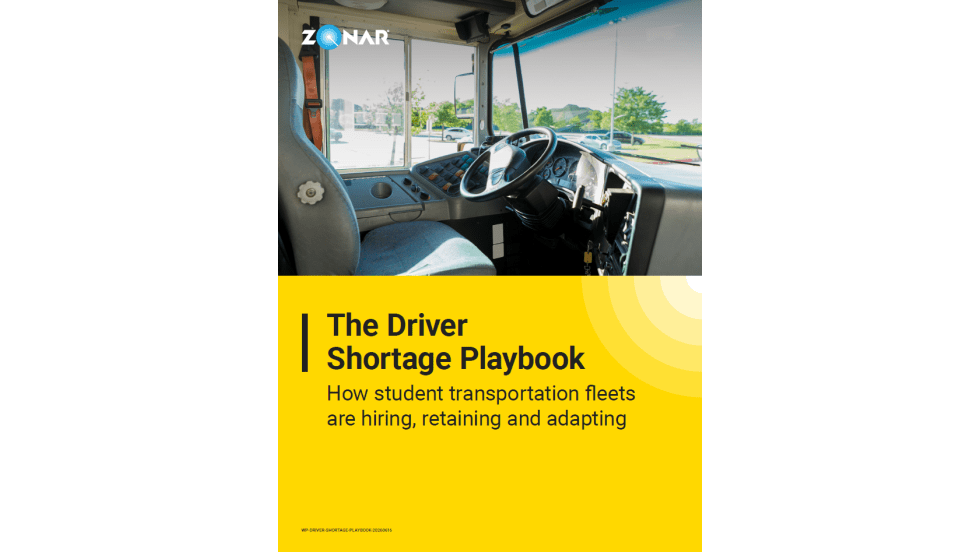
Sponsored•June 22, 2026
The Driver Shortage Playbook
Driver shortages are still a major challenge for student transportation fleets, but the real issue has shifted. It’s no longer just about filling seats quickly. It’s about finding safe, reliable drivers who meet performance expectations and want to stay. The Driver Shortage Playbook covers why traditional recruitment tactics are falling short and how school fleets are adapting with smarter hiring, stronger retention strategies and a greater focus on driver quality.
Read More →
Pro-Vision Launches AI-Powered 360° Camera System
The new Birdseye camera delivers real-time AI-based pedestrian and vehicle detections, full visibility around the bus, and telematics integrations.
Read More →
N.Y. & N.J. Coalitions Call for Modernized Transportation for Vulnerable Students
New statewide coalitions in New York and New Jersey are urging lawmakers to expand student transportation options for vulnerable students amid ongoing driver shortages.
Read More →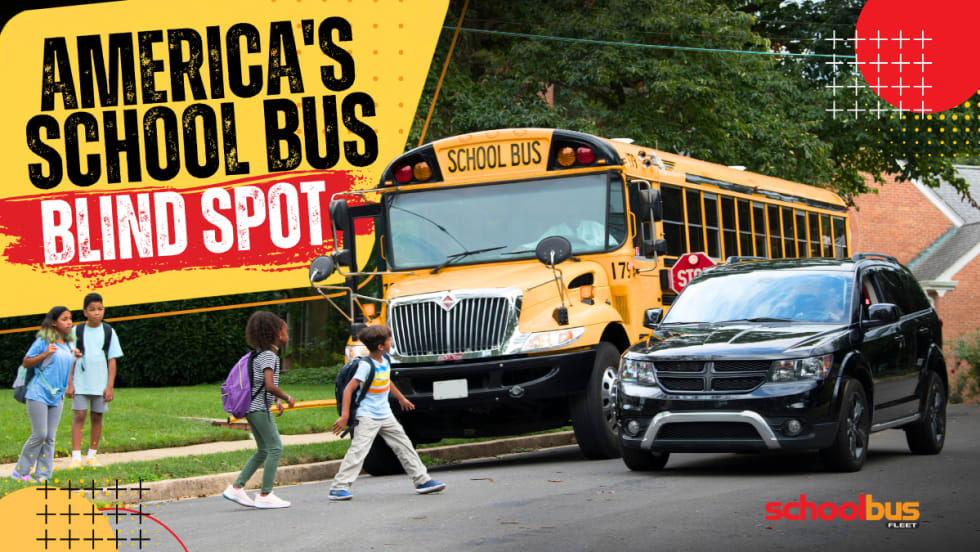
America Has a School Bus Passing Problem — and Distraction Is Making It Worse
Illegal school bus passing remains a major safety threat as distracted driving rises. This op-ed explores why awareness, enforcement, and stop-arm cameras matter more than ever.
Read More →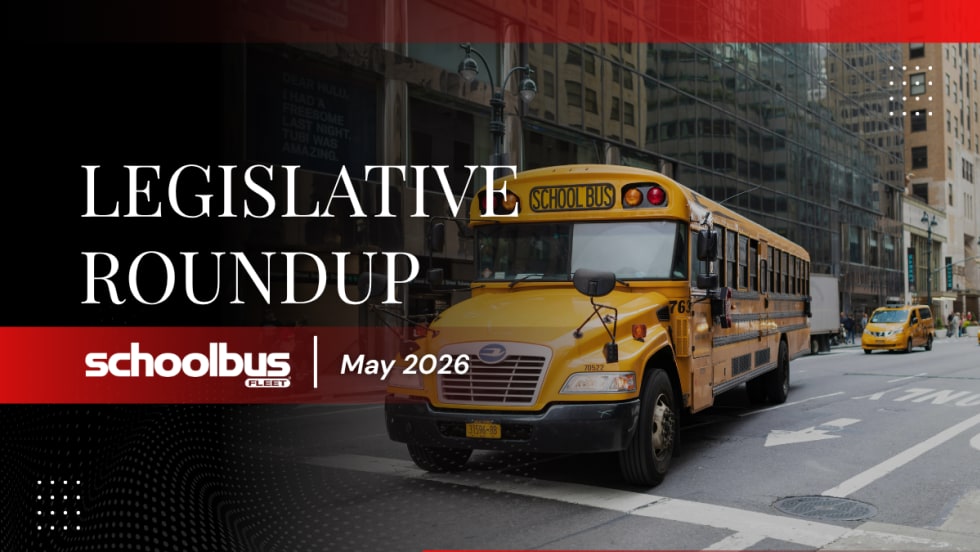
School Bus Laws to Watch: New York Delays EV Mandate
Plus, federal lawmakers seek new funding for school bus safety as states weigh stop-arm enforcement, disability protections, and education spending.
Read More →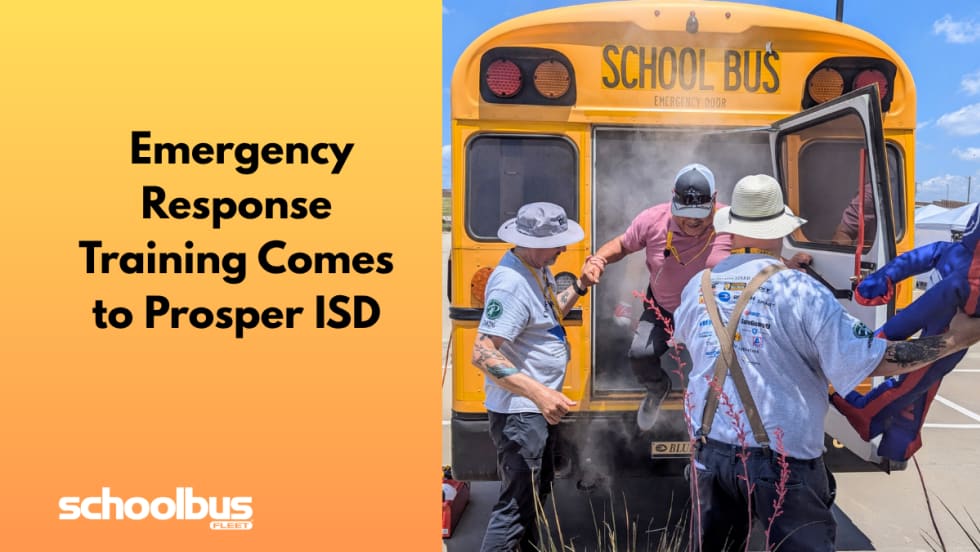
Operation STEER Brings Emergency Response Training to North Texas
Prosper ISD hosted the third annual training for transportation professionals across 67 districts to learn how to respond to emergencies, such as rollovers and evacuations, and proper use of safety equipment.
Read More →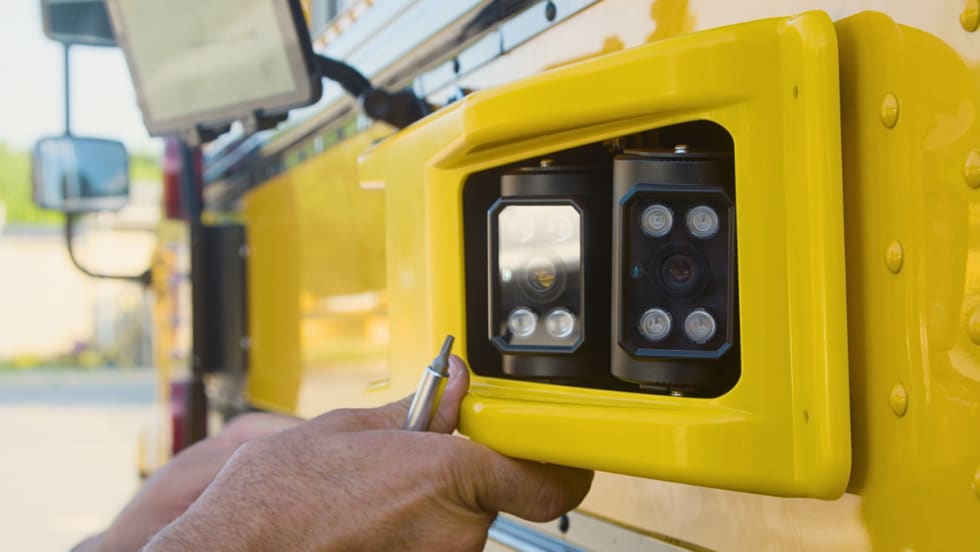
Florida District Relaunches BusPatrol School Bus Camera Program With New Safeguards
After being suspended over due process concerns, Miami-Dade schools and law enforcement are restarting the AI-powered stop-arm camera program with new oversight.
Read More →