





The Illegal Passing Problem: Reducing School Bus Stop-Arm Violations
Partnership Expands BusGates Stop-Arm Tech Amid Millions of Annual Violations
A new Child Safety Network–BusGates collaboration targets the split-second when kids are most at risk, and early results show illegal passings can drop to zero.
December 2, 2025
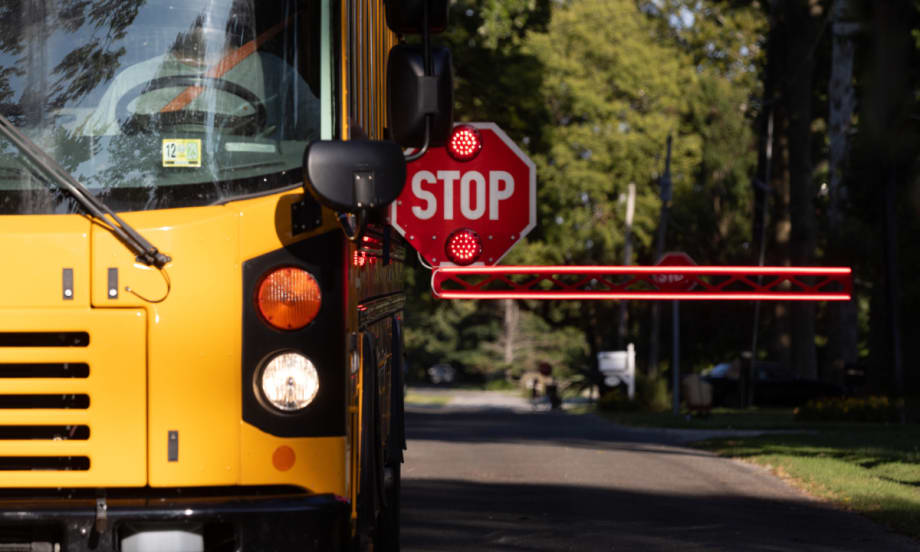
"Every time a driver illegally passes a stopped school bus, they’re putting children’s lives at risk,” said Jeff Stauffer, BusGates Co-founder.
Photo: BusGates
3 min to read
The Child Safety Network recently announced a collaboration with BusGates to address drivers illegally passing stopped school buses.
According to a release, a national survey found that school bus drivers reported 66,322 illegal passing incidents in a single day, totaling millions of violations in one school year. Additionally, between 2000 and 2021, drivers who failed to stop for school buses caused 53 fatalities, nearly half of them school‑age children.
The National Highway Traffic Safety Administration (NHTSA) warns that the most dangerous part of a child’s school bus ride is not on the bus but when they are getting on or off, when children are most vulnerable to being struck by an illegally passing vehicle.
“Every time a driver illegally passes a stopped school bus, they’re putting children’s lives at risk,” said BusGates Co‑Founder Jeff Stauffer. “As a parent, that is unacceptable. Our stop‑arm extension technology is designed to combat this behavior head‑on by making the obligation to stop impossible to ignore.”
How BusGates’ Stop-Arm Extension Works
Through this partnership, BusGates has developed an LED‑lit stop‑arm extension that attaches to a school bus’s existing stop arm.
When the bus stops, the extension swings out nearly five feet from the side of the bus, reinforcing a visual and physical barrier that drivers cannot overlook. The extended stop arm acts like a railroad crossing gate, forcing drivers to stop well in advance of the bus.
Field results from school districts already using BusGates saw their daily illegal‑passing incidents drop from multiple occurrences to zero after installing the extensions. According to the release, early adopters have reported reductions in vehicles illegally passing stopped buses of up to 95%.
“No parent should have to fear for their child’s life at the bus stop,” Ward Leber, founder of the Child Safety Network, said. “The numbers are staggering — tens of millions of violations each year — and each one is a child’s close call or worse. We refuse to accept this as the status quo. By partnering with CSN, BusGates is taking action to ensure every driver gets the message that when a school bus stops, we all must stop. Together, we can end these near‑misses and protect our children.”
A Proactive Stand Against Stop-Arm Running
The BusGates–Child Safety Network collaboration will combine technology, education, and advocacy to tackle the stop‑arm running epidemic on a national scale. CSN will leverage its nationwide network to promote the adoption of BusGates’ stop‑arm extensions and to educate communities about school bus safety.
“With millions of violations happening every year, we can’t afford to treat this as a localized issue. It’s a national problem that demands national attention and real solutions,” said BusGates co‑founder Trevor Clatfelter.
This partnership is a proactive call to drivers, lawmakers, and school districts across the country to take immediate action against illegal stop-arm passings.
More Safety

How to Build a Better School Bus Driver Training Program
Is it time to strengthen your driver training? Here’s how to pick the right talent and improve recruitment, retention, and safety. This video is brought to you by IC Bus.
Read More →
Recent School Bus Accidents Leave 2 Dead, 2 Injured
Four school bus crashes in Florida, Illinois, and Georgia highlight risks in transportation lots, at bus stops, and during student loading and unloading.
Read More →
Sponsored•September 8, 2026
When Every Second Matters, Clarity Keeps Routes Moving
From routine delays to urgent incidents, strong communication practices help drivers, dispatchers, schools, and families respond with confidence.
Read More →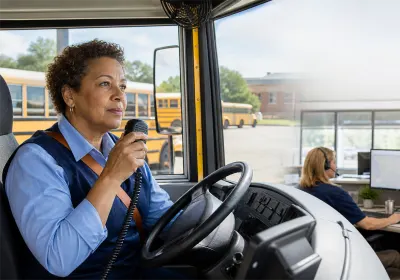

What Happens When a School Bus Catches Fire — and What Can Help
School bus fires are rare but can be devastating. Learn how advances in fire suppression and asset protection help fleets detect fires earlier, reduce damage, and improve safety.
Read More →
Geotab Launches Tool to Help Fleets Investigate Road Incidents
Geotab Investigations combines telematics data, video, documents, and other evidence to help fleets reconstruct incidents, resolve claims, and determine what happened.
Read More →
Texas Sixth Grader Wins 2026 National School Bus Safety Poster Contest
Sai Darshana Yekolu of Moseley Middle School in Prosper, Texas, was named the newest winner for her artwork, bringing the theme of “Safe Rides, Everyday Heroes” to life.
Read More →
Sponsored•August 27, 2026
Doing More With Less: How Transportation Directors Can Prioritize Safety Amid Budget Uncertainty
With diesel prices soaring and nearly one-third of transportation directors expecting budget cuts, maintaining student safety has never been more challenging. Download this guide to learn how leading districts are prioritizing risk, funding critical safety technology, and building stronger budget cases with data.
Read More →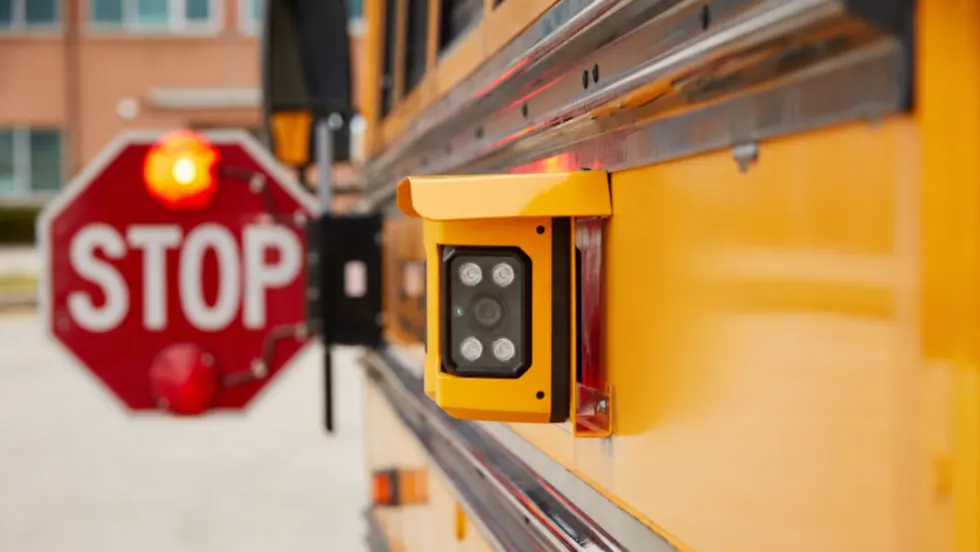
Walton County Schools Adds Gatekeeper Stop-Arm Enforcement System
The Florida district will deploy Gatekeeper’s updated Student Protector technology, which now incorporates AI to improve video evidence.
Read More →
How To Build a More Secure School Bus Yard During and After Hours
As thefts and overnight security threats continue, school transportation leaders are combining stronger operational practices with AI-enabled surveillance to better protect buses, facilities, and staff.
Read More →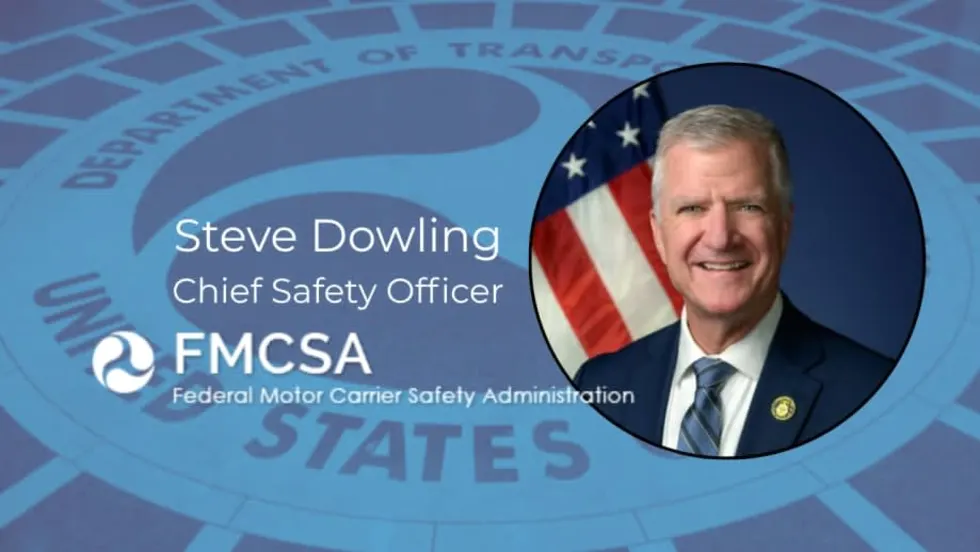
FMCSA Names New Chief Safety Officer: What School Bus Operators Should Know
Steve Dowling is set to lead the federal agency's efforts to advance commercial motor vehicle safety and reduce crashes, fatalities, and injuries on the nation's roadways.
Read More →