





More: America Has a School Bus Passing Problem — and Distraction Is Making It Worse
N.Y. & N.J. Coalitions Call for Modernized Transportation for Vulnerable Students
New statewide coalitions in New York and New Jersey are urging lawmakers to expand student transportation options for vulnerable students amid ongoing driver shortages.
June 9, 2026
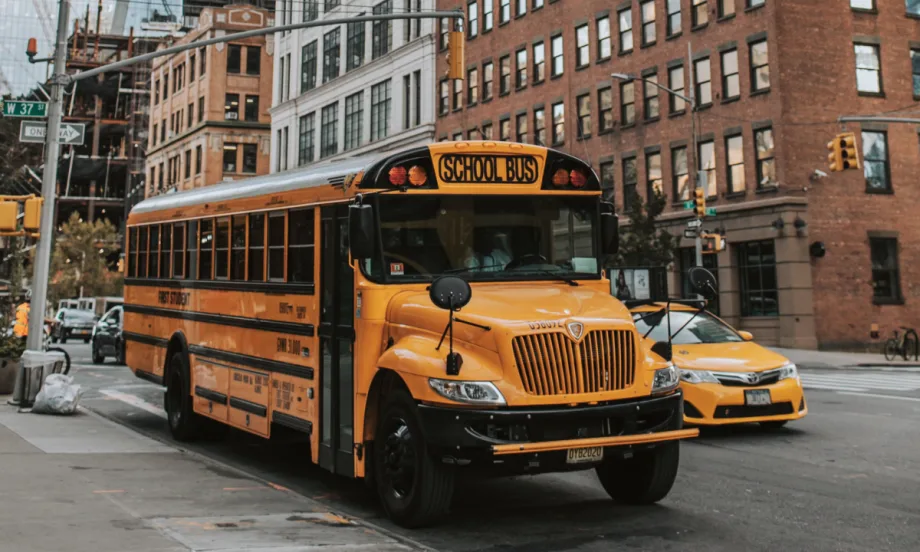
NY FASST is backing legislation introduced to establish a statutory definition of school transportation logistics vehicles and their coordinators.
Credit:
Vlada Karpovich
5 min to read
A newly launched statewide coalition is urging New York lawmakers to modernize student transportation regulations to address ongoing school bus driver shortages and improve transportation access for vulnerable students.
NY FASST (NY Friends of Affordable, Safe Student Transportation) announced its formal launch as a coalition of parents, educators, nonprofits, disability advocates, small businesses, and taxpayers advocating for changes to New York's student transportation framework.
The group is backing legislation introduced by Senator Jeremy Cooney (S.9289) and Assemblymember Pamela Hunter (A.10401) to establish a statutory definition of school transportation logistics vehicles (STLVs) and their coordinators. The proposal would allow vetted community drivers operating small-capacity vehicles to provide student transportation services under New York's Article 19-A safety framework while removing a commercial driver's license (CDL) requirement for drivers transporting a single student in passenger vehicles.
According to NY FASST, the changes are intended to help districts address transportation challenges affecting students with individualized education programs (IEPs), students in foster care, and students experiencing homelessness.
"Every child in New York deserves a safe, reliable way to get to school — and right now, too many of our most vulnerable students simply don't have one," said Richard Cowans, owner of Irie Transportation Associated LLC.
Coalition leaders note that 41 states, including Pennsylvania, California, Illinois, Maryland, Delaware, Colorado, and Minnesota, already permit alternative transportation providers to serve students through regulatory frameworks designed for smaller vehicles and specialized transportation needs.
Coalition leaders point to growing support for similar policies in neighboring states. In New Jersey, where a coalition is advocating for comparable transportation reforms, a recent Fairleigh Dickinson University poll, in partnership with New Jersey Friends of Affordable Safe Student Transportation (NJ FASST), found that 63% of voters support allowing vetted private drivers to transport homeless and disabled students to school. Support was largely bipartisan, with majorities of both Republicans and Democrats favoring the proposal.
Advocates say the findings suggest voters are more open to transportation models that use smaller vehicles and specially screened drivers to serve students whose needs may not be well served by traditional fixed-route bus service.
Coalition Says Affordability, Flexibility, and Safety Can Coexist
NY FASST's platform centers on what it calls three pillars: affordability, flexibility, and safety. The coalition argues that alternative transportation options can reduce costs on specialized routes while providing districts with greater flexibility to accommodate changing pickup locations, IEP transportation needs, and out-of-district placements.
The group says proposed safety requirements would include multilayer background checks, continuous motor vehicle record monitoring, real-time GPS tracking, and daily electronic vehicle inspection logs.
Among the coalition's founding members are representatives from Catholic Charities of Onondaga County, The Salvation Army (Syracuse Area), Liverpool Central School District, Samaritan Center, Citizenship & Science Academy of Syracuse, Syracuse City School District, and Academy of Health Sciences Charter School.
"As a school district, our first obligation is always to the safety of our students — and that obligation covers every mile of their journey to and from school," said Tamica Barnett, president of the Syracuse School Board of Education. "S.9289/A.10401 does not ask us to compromise on safety; it gives us the legal framework to extend the same rigorous standards we hold our bus operators to, to every driver serving our students."
In addition to establishing STLV regulations, the legislation would authorize piggyback contracting, allowing school districts to utilize contracts already established by neighboring districts. It would also enable Boards of Cooperative Educational Services (BOCES) and cooperative purchasing arrangements to procure alternative transportation services through shared-service agreements.
NY FASST said it is seeking support from parents, educators, school administrators, community organizations, businesses, and advocacy groups interested in expanding transportation options for students across New York.
Connecticut Moves Closer to Tougher Penalties for Illegal School Bus Passing
In other news, Connecticut lawmakers have approved legislation that would impose driver's license suspensions on motorists who repeatedly and illegally pass stopped school buses, moving the state closer to adopting tougher penalties to improve student safety.
The bill passed both the Connecticut House and Senate during the final days of the legislative session and was signed into law by Governor Ned Lamont on June 4. The law will take effect on October 1.
State officials, school transportation leaders, educators, and law enforcement representatives recently gathered in Coventry to mark the legislation's passage and highlight the ongoing challenge of illegal school bus passing.
Senator Jeff Gordon, who introduced the legislation, joined community leaders and Don DeVivo, president of DATTCO, at the company's Coventry school bus yard to celebrate the bill's unanimous approval by state lawmakers. Supporters say the measure will help make Connecticut roads safer by requiring mandatory license suspensions for repeat school bus passing violations.
According to FOX61, the measure was introduced in response to concerns from parents, school bus drivers, and law enforcement officials about motorists ignoring school bus stop arms and flashing lights, putting students at risk as they board and exit buses.
Several Connecticut communities have already implemented measures to curb illegal passing, but supporters of the legislation say stronger statewide enforcement is needed.
Supporters of the legislation argue that automatic license suspensions for repeat offenders would add accountability and serve as a stronger deterrent against one of the most persistent school transportation safety issues nationwide.
Editor's Note: This article was originally published June 9, 2026, and was updated on June 17, 2026, for continued relevancy on the NY FASST coalition, neighboring states with similarly new policies, and Lamont's signing of Connecticut's illegal passing bill.
More Safety

How to Build a Better School Bus Driver Training Program
Is it time to strengthen your driver training? Here’s how to pick the right talent and improve recruitment, retention, and safety. This video is brought to you by IC Bus.
Read More →
Recent School Bus Accidents Leave 2 Dead, 2 Injured
Four school bus crashes in Florida, Illinois, and Georgia highlight risks in transportation lots, at bus stops, and during student loading and unloading.
Read More →
Sponsored•September 8, 2026
When Every Second Matters, Clarity Keeps Routes Moving
From routine delays to urgent incidents, strong communication practices help drivers, dispatchers, schools, and families respond with confidence.
Read More →

What Happens When a School Bus Catches Fire — and What Can Help
School bus fires are rare but can be devastating. Learn how advances in fire suppression and asset protection help fleets detect fires earlier, reduce damage, and improve safety.
Read More →
Geotab Launches Tool to Help Fleets Investigate Road Incidents
Geotab Investigations combines telematics data, video, documents, and other evidence to help fleets reconstruct incidents, resolve claims, and determine what happened.
Read More →
Texas Sixth Grader Wins 2026 National School Bus Safety Poster Contest
Sai Darshana Yekolu of Moseley Middle School in Prosper, Texas, was named the newest winner for her artwork, bringing the theme of “Safe Rides, Everyday Heroes” to life.
Read More →
Sponsored•August 27, 2026
Doing More With Less: How Transportation Directors Can Prioritize Safety Amid Budget Uncertainty
With diesel prices soaring and nearly one-third of transportation directors expecting budget cuts, maintaining student safety has never been more challenging. Download this guide to learn how leading districts are prioritizing risk, funding critical safety technology, and building stronger budget cases with data.
Read More →
Walton County Schools Adds Gatekeeper Stop-Arm Enforcement System
The Florida district will deploy Gatekeeper’s updated Student Protector technology, which now incorporates AI to improve video evidence.
Read More →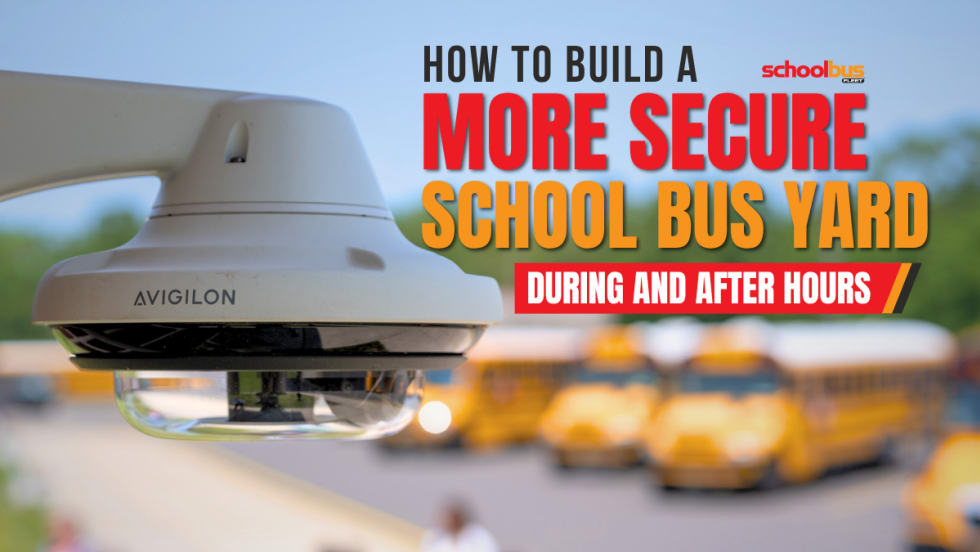
How To Build a More Secure School Bus Yard During and After Hours
As thefts and overnight security threats continue, school transportation leaders are combining stronger operational practices with AI-enabled surveillance to better protect buses, facilities, and staff.
Read More →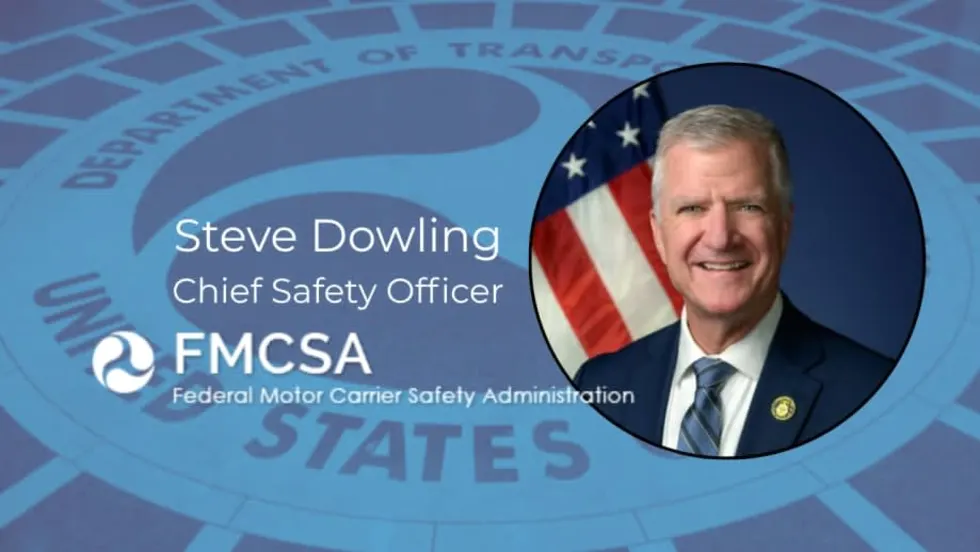
FMCSA Names New Chief Safety Officer: What School Bus Operators Should Know
Steve Dowling is set to lead the federal agency's efforts to advance commercial motor vehicle safety and reduce crashes, fatalities, and injuries on the nation's roadways.
Read More →