Implementing IEPs On the Bus: How to Increase Communication Between Teams
Individualized Education Plans have been causing headaches for transportation directors across the country. Here, tips on increasing communication with special education teams for more effective collaboration.
by Staff
February 12, 2025
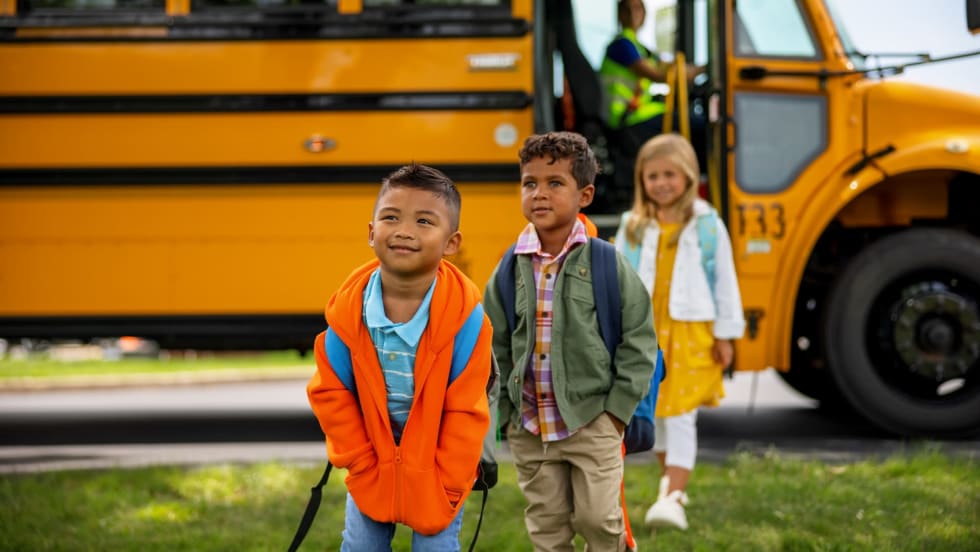
Communication between transportation and special education departments is key when implementing an IEP on the bus.
Photo: SBF/Canva
10 min to read
As our understanding of child development and how the human mind functions improves, more and more students are being identified as needing special accommodations for their education. Schools identify and list these accommodations through the implementation of an Individualized Education Plan (IEP). However, many districts are seeing a lack of communication with the transportation department while developing students’ IEPs.
Why Use IEPs in Transportation?
IEPs act as both an acknowledgement of a student’s special needs and a plan to make their school day easier on them. Under the Individuals with Disabilities Education Act (IDEA), all students are entitled to special education and related services, which includes transportation services. While sometimes this comes in the form of special transportation arrangements to pick up and drop off a student, the vast majority of children with disabilities ride the big yellow bus.
Ad Loading...
Sometimes, students who have IEPs do not have transportation accommodations in their plan, while others require separate vehicles with specialized equipment for transportation. Regardless of the level of assistance needed, IEP planners should communicate with transportation departments to make sure that the accommodations can be met before the school year begins or transportation is needed.
“I recently came across a working document from May 2014, which highlighted a critical requirement of the Individuals with Disabilities Education Act,” said Elisa Hanley, former Kentucky state director of transportation. “The document emphasized that student information related to their disabilities must be shared with all support service providers, including transportation. This is not just a formality – it’s a necessity.”
"In the early days of my career, one of the most glaring issues I encountered was the lack of communication between departments—particularly between the special needs department and transportation,” Hanley added. “This barrier was not only frustrating but, as I quickly realized, it was a significant obstacle to providing the safest and most effective transportation for students with disabilities. Nearly a decade later ... this gap remains."
Communication between IEP teams and a school’s transportation department allow for transportation staff to know about any medical conditions or disabilities that a student has. With this information available to them they can be better prepared to handle situations with the child if and when they come up.
The IDEA also states that districts cannot leave out transportation as a related service.
Ad Loading...
Recommended Resourses
Here are some resources to help make sure children with special needs are receiving the right support:
Resources courtesy of Sue Shutrump and Alexandra Robinson
Reality of Communication
Under the current version of IDEA, a child’s IEP team is responsible for determining if transportation is required and how the transportation services should be implemented. This is where most of the friction comes from when transportation directors are dealing with IEPs.
Oftentimes, the IEP will be made without input from the transportation department, leading to situations where they are expected to provide services that they are not prepared to.
“When they get their IEP teams together, they just don’t give a thought to transportation, and that blows my mind,” said Max Christensen, former Iowa state director of transportation. “Transportation is required, so they make the decision and they just call the transportation director up and say we need this, this, and this and then transportation has to support it. It’s very frustrating.”
Many states do not require that transportation directors are involved in the creation of the IEP; only that they receive the IEP. This makes it difficult when a student with a wheelchair attends a school and their transportation department does not find out that a student has a wheelchair until a few weeks before the beginning of classes.
This is complicated further when you add in contracting services for transportation, as they may not receive the IEPs at all.
Ad Loading...
“It’s different from state to state, but in New York, the transportation department is supposed to have access to and knowledge of the transportation portion of a student’s IEP, and the contractor is supposed to as well,” said Tim Flood, EVP at The Trans Group in Spring Valley, New York. “It’s rare that the transportation office gets them, no less the contractor.”
These issues came to the forefront of a conversation at the recent National Association of State Directors of Pupil Transportation Services (NASDPTS) conference in Washington, D.C. Several transportation directors there spoke up about the need for more regulations to be put in place at the federal level regarding IEPs and their creation.
At the conference, transportation directors from across the country asked for changes to be made at a federal level to the IDEA that would force more communication between transportation and special education departments.
“Our guidance to the states and the best practices is to include your staff in these meetings,” said Acting Director of the Office of Special Education Programs David Cantrell at the conference. “It should not be a unilateral decision that a parent for various reasons say I need a special transportation vehicle, or I need an aide with my child on the bus. Or if maybe it’s the speech therapist who is advocating for the child, it should not be a unilateral decision, and it does need to be someone with the transportation expertise, such as your staff, to inform what the are options for transportation. What is the assistive device that is needed? Those conversations should take place. It should not be happening that the IEP is signed, special transportation is decided, and then it lands on your desk.”
IDEA states that districts cannot leave transportation out of the conversation as it is a related service.
While these issues may be common across the country, some districts are able to make it work.
Ad Loading...
“We currently have a positive working relationship with the SPED department,” said Rose Lee, transportation director, Bonita Unified School District in California. “However, with the appointment of a new director, there will be increased engagement between transportation and IEP case carriers regarding transportation options for our students. We are organizing training sessions for case carriers to inform them about the services we offer and the communication channels available for addressing their students' needs with the transportation drivers. Our aim is to enhance understanding of the support we can provide, while also equipping our drivers with additional tools and connections to better assist students during their bus rides.”
The Importance of Building Connections
Building communication lines between transportation and special education departments can be done by writing an official letter and requesting quarterly meetings.
Credit:
This image was created in whole or part using GenAI
Not all districts are stuck with a communication gap between their transportation department and special education department. While things may not have gone smoothly from the beginning, it is possible to overcome a communication gap.
Katrina Morris from the West Shore Educational Service District in Michigan recounted her experiences with IEP communication when she arrived at her position.
“When I got here, I said, ‘Did you guys know that you have a student on an 84-passenger bus, kindergarten through fifth grade, and it's fully loaded,” said Morris. “84 kids we drop off before we get to the next school to pick up more. That's how loaded this thing is. You know that there's a student on there that has a traumatic brain injury, and on his IEP, it says that if he so much as lightly bumps his head, he has to or we have to call 911,’ and they said, ‘Well, he sits in the front right.’ And I said, ‘the driver doesn't know he exists.”
With a lot of work, Morris was able to improve the situation in her district, but it required her to build relationships with other administrators.
Ad Loading...
“Our educational service district has made phenomenal gains in this. It's very nice to be able to say, ‘Hey, we got a new kid coming in. These are their meds, these are behaviors,’ and if it's something that we feel we need to be a part of, then we will request to be at that IEP meeting,” said Morris. “I just don't have enough time to be at 180 IEPs every year. But I really have worked to build those relationships with the special ed administrators who have the individual plan of study. So break down those silos, break down those walls, and go and build those relationships.”
Rosalyn Vann Jackson from Broken Arrow Public Schools in Oklahoma also discussed the importance of building relationships.
“When you work within a school district and you're not directly aligned with the instructional side of the house, what's important is to build relationships,” said Vann Jackson. “As professionals of pupil transportation, we have to educate the educators. A lot of times, we have fear of that side of the house, but we should own the fact that we are the professionals, we are the experts when it comes to those IEPs and helping the greater good of the district.”
Even companies that work with school districts can recognize the important role a transportation team can play when putting together an IEP.
“Transportation teams are best equipped to fulfill a student’s accommodations,” said Emily Uhland, HopSkipDrive’s vice president, customer success. “Supplemental providers and partners can develop clear resources for teams to pass along, and can lean on their platform’s technologies to easily share key details. HopSkipDrive’s Daily Queue empowers on-site school staff with visibility into all rides, and our platform enables individualized notes and guidance to ensure information is communicated clearly and smoothly for comprehensive student support.”
Ad Loading...
To address this at the state level, Hanley worked closely with the Office of Special Education and Early Learning. "My team was directly involved in updating the Guidance for Special Needs in Kentucky, which helps ensure issues we face are incorporated into updated guidance," she said. "We hold biannual training sessions for transportation directors, bringing in special needs experts to discuss the complex intersection of laws, guidance, and best practices for transporting students with disabilities."
Taking an Active Part in the IEP Process
Transportation personnel that participate in IEP meetings should be taking an active part in them to ensure that communication is being put to the best use. However, the first step is getting involved in the meetings themselves. To do that, you simply must be the squeaky wheel.
The easiest way to identify if transportation should have involvement in an IEP meeting is to ask. Writing an official letter to your district’s special education department to arrange quarterly meetings to go over any potential student accommodation issues or new accommodations that need to be made can make this process much easier.
By asking your special education department if there are any students in need of transportation accommodations ahead of time, you can get in on the process early.
Dr. Linda Bluth, a retired special educator and past president of the National Association for Pupil Transportation, has discussed the importance of being active in the IEP process.
Ad Loading...
According to Bluth, pupil transportation should consider attending IEP meetings when:
A child with a disability rides the same bus as non-disabled peers; however, the child requires ongoing assistance because of behavioral problems or requires special equipment and assistance from a trained bus attendant.
A child with a disability rides a school bus exclusively with other children with disabilities to and from school, and requires any of the following: special equipment, bus attendant or a specific behavior management program.
Special school bus equipment is required to provide transportation services, and these services are to be addressed on the IEP for the first time.
A child with disabilities has severe behavioral problems impacting safe transportation, and transportation is an integral part of the school-based behavioral management program.
A child with a disability is medically fragile and requires special handling and supervision, including specific information from medical personnel.
A child with a disability has a technology-dependent condition.
A child with a disability has an infectious disease that requires precautions beyond typical universal precautions practiced.
A child with a disability rides to school with a nurse.
When attending an IEP meeting, transportation personnel should consider five guidelines in an IEP. These guidelines will help make sure that an IEP has everything a student needs, and that the transportation department can meet them.
The role of all personnel required to assist a child with IEP services during the school bus ride.
Any and all specialized bus or adaptive equipment that a student utilizes.
The pickup location of a student when it is different from that of non-disabled peers.
Any medical interventions that are required and not provided to non-disabled students.
Unique services, such as individual behavioral intervention plans, that will need to be implemented during the school bus ride.
With these guidelines in place, making communication happen between transportation and special education departments should be easier. Taking the time to build a relationship with your special education department and working with them on the IEPs of various students is an easy step that can be attempted without needing to wait on lengthy legislative processes.
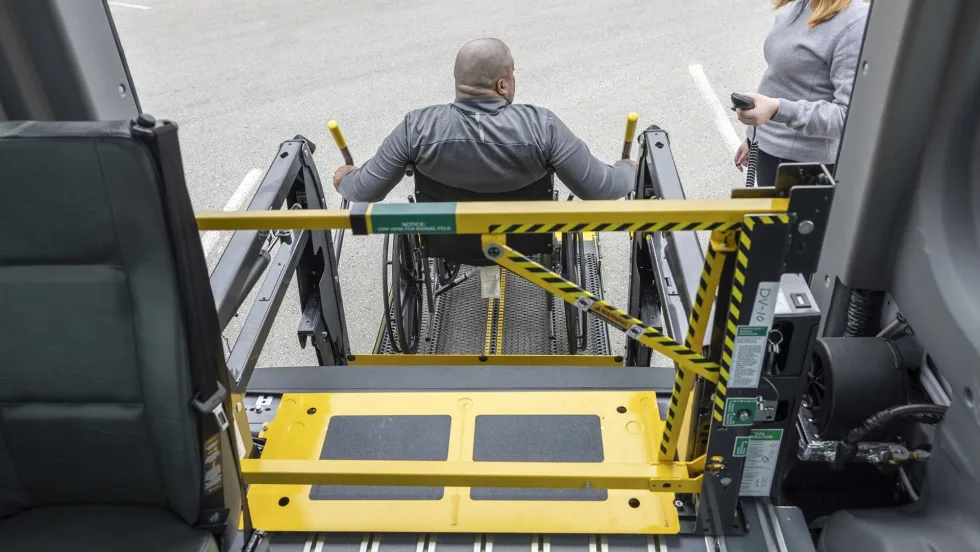
LiftSentinel is designed to add another layer of protection during wheelchair loading and unloading and can be retrofitted to many existing commercial lift installations.
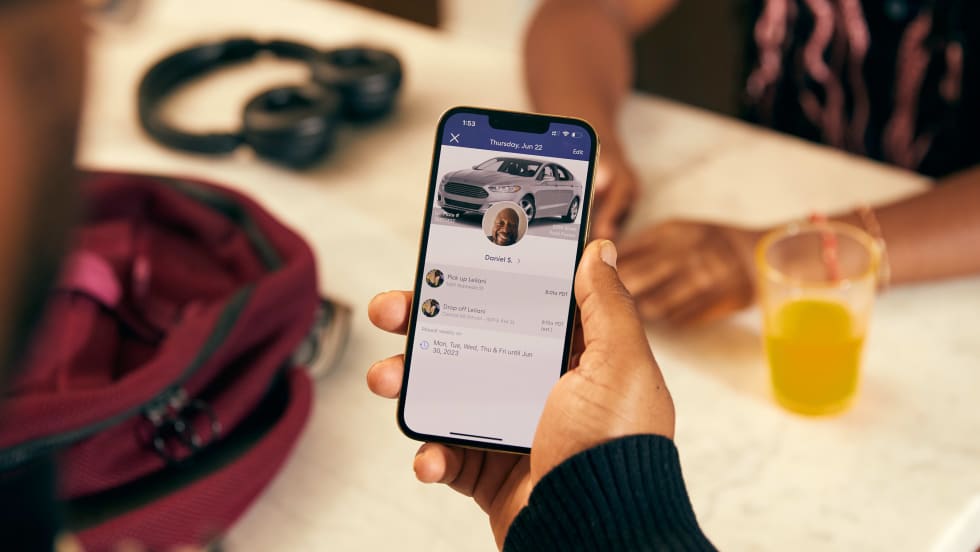
The company’s free ride recording, live ride tracking, and consistent driver assignments aim to improve safety and continuity for diverse student transportation needs.
Small missteps in wheelchair securement can have serious consequences. Here are 32 tips from experts to reduce risk and increase student safety on the bus.
Go inside AMF Bruns America’s new Ohio showroom with Maritza Valentin to see its FutureSafe technology, driver training tools, securement systems, and seating innovations.
With expanded production space, local investment, and a growing workforce, AMF Bruns is scaling its U.S. presence. Here’s an exclusive first look inside the new Stow, Ohio, HQ.
Take a behind-the-scenes look at AMF Bruns of America’s new 41,000-square-foot Stow, Ohio, headquarters, featuring advanced manufacturing, expanded space, and future-ready mobility solutions.
First Student and Wichita Public Schools are using behavioral support strategies to improve student ride experiences, while a separate initiative expands access to after-school programs through a bus donation.
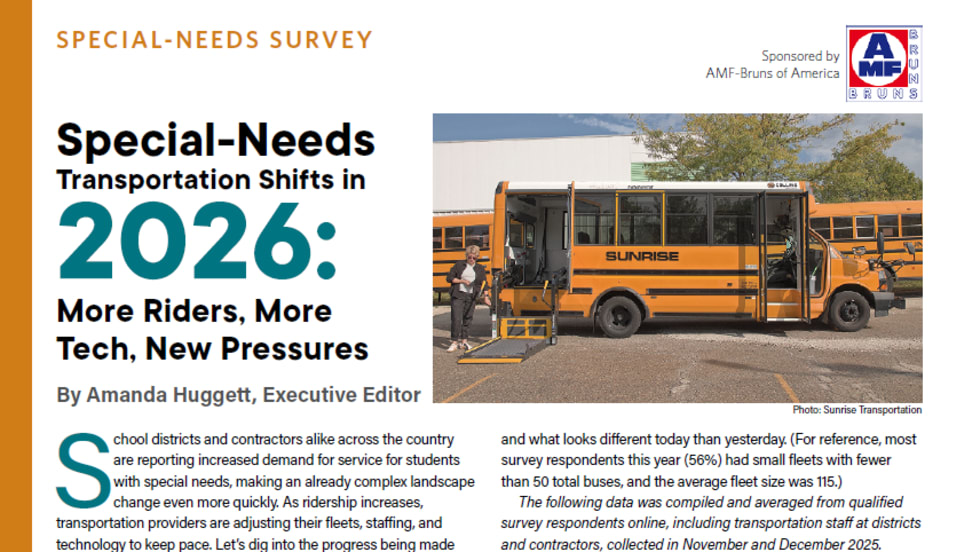
What’s changing in special-needs transportation? This year, student transportation operators report a rising need, easing driver shortages, growing tech adoption, and evolving challenges. Sponsored by AMF Bruns of America.
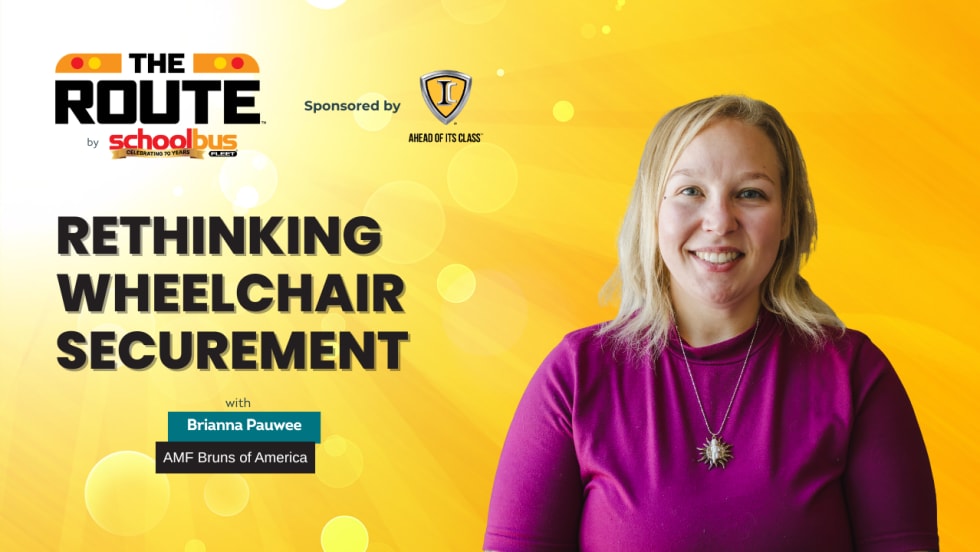
Brianna Pauwee, a product application specialist at AMF Bruns of America and a wheelchair user, drops in to The Route to share practical securement and training insights, plus the story behind the new “Beyond Mobility” podcast. The Route is sponsored by IC Bus.