





Related: Using Wi-Fi on Wheels to Improve the School Bus Ride
Lightspeed Unveils Student Online Activity Monitoring System
Safety Check is designed to monitor students’ online activity on school devices, identify students at risk, and deliver real-time alerts on activity that is indicative of self-harm or other dangers.
September 9, 2019
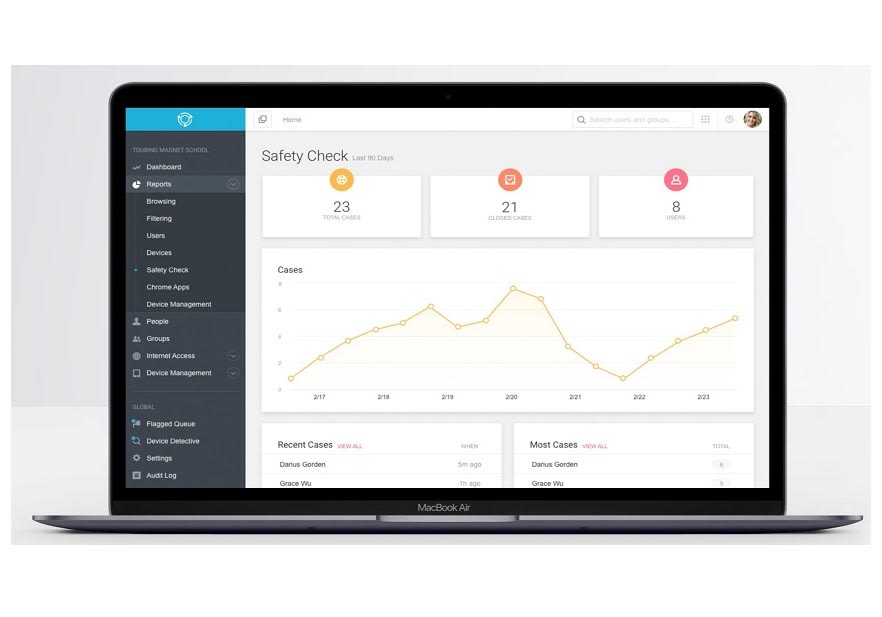
Lightspeed's Safety Check is designed to monitor students' online activity on school devices, identify students at risk, and deliver real-time alerts on activity that is indicative of self-harm or other dangers. Photo courtesy Lightspeed Systems
2 min to read
Lightspeed's Safety Check is designed to monitor students' online activity on school devices, identify students at risk, and deliver real-time alerts on activity that is indicative of self-harm or other dangers. Photo courtesy Lightspeed Systems
AUSTIN, Texas — Lightspeed Systems has launched Safety Check, a new feature of its Relay web filtering platform to manage students’ online activity in schools.
Using advanced artificial intelligence, Safety Check is designed to monitor student activity on school devices, identify students at risk, and deliver real-time alerts on activity that is indicative of self-harm or other dangers, according to a news release from Lightspeed Systems.
Previously, Safety Check was in a limited early access release, during which more than 80% of the included schools were able to identify at-risk students through the feature, according to Lightspeed Systems. The company reports that these early access users were able to identify suicidal students as well as those suffering from abuse, depression, and other concerns.
"More than 3,000 teenagers attempt suicide every day in the U.S. alone — and most of them leave signs beforehand, including in their online activity," said Brian Thomas, president and CEO of Lightspeed Systems. "Technology can help schools identify those students and with Safety Check, we'll be able to help save more lives."
Safety Check is included with the Relay Filter at no additional charge and extends the web filter’s features and reports to:
Work across sites, including online mail, Google docs, social media, and more.
Work across different platforms and operating systems.
Deliver alerts with screenshots and detail.
Monitor all types of activity, from typed words to web visits.
Provide dashboards, safety trend reports, and user reports as well as real-time alerts.
Allow schools to designate authorized recipients, from safety officers to counselors to principals, by group.
Ensure student data privacy by sharing data only with designated school personnel.
For more information about Safety Check, go here.
More Safety
2 Killed, Dozens Injured in Florida School Bus Crash
A multi-vehicle collision caused a Polk County school bus carrying 37 students to overturn on its way to Winter Haven High School.
Read More →
Illegal School Bus Passing Drops 24% in New York Districts
With fewer than 5% of citations involving repeat offenders, Westchester County officials said enforcement, education, and community partnerships are helping change driver behavior.
Read More →
School's Back. Here's What Happened to Traffic, Speeding & Distraction
What happens to traffic when school resumes? New data analysis examines changes in distracted driving, congestion, and speeding around schools.
Read More →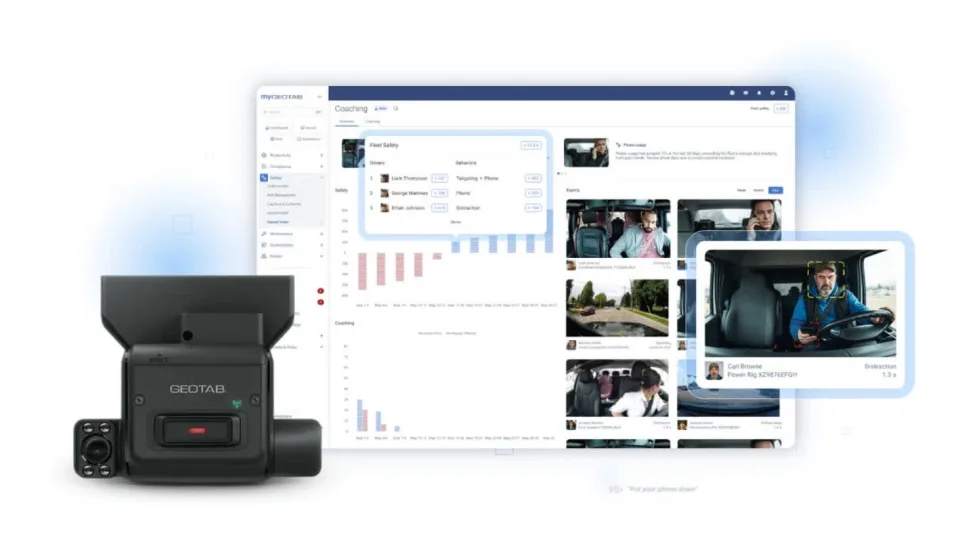
Geotab Expands Fleet Safety Tools With Video Coaching, Risk Insights
New safety and video capabilities aim to help fleet managers assess risk, support drivers, and take targeted action through video coaching, red-light violation detection, and more.
Read More →
How to Build a Better School Bus Driver Training Program
Is it time to strengthen your driver training? Here’s how to pick the right talent and improve recruitment, retention, and safety. This video is brought to you by IC Bus.
Read More →
Recent School Bus Accidents Leave 2 Dead, 2 Injured
Four school bus crashes in Florida, Illinois, and Georgia highlight risks in transportation lots, at bus stops, and during student loading and unloading.
Read More →
When Every Second Matters, Clarity Keeps Routes Moving
From routine delays to urgent incidents, strong communication practices help drivers, dispatchers, schools, and families respond with confidence.
Read More →
What Happens When a School Bus Catches Fire — and What Can Help
School bus fires are rare but can be devastating. Learn how advances in fire suppression and asset protection help fleets detect fires earlier, reduce damage, and improve safety.
Read More →
Geotab Launches Tool to Help Fleets Investigate Road Incidents
Geotab Investigations combines telematics data, video, documents, and other evidence to help fleets reconstruct incidents, resolve claims, and determine what happened.
Read More →
Texas Sixth Grader Wins 2026 National School Bus Safety Poster Contest
Sai Darshana Yekolu of Moseley Middle School in Prosper, Texas, was named the newest winner for her artwork, bringing the theme of “Safe Rides, Everyday Heroes” to life.
Read More →