




Krapf Chairman Testifies Before Congress on DERA Program
Transportation company chairman Dale Krapf testifies before the Senate Environment and Public Works Committee on the Diesel Emission Reduction Act program.

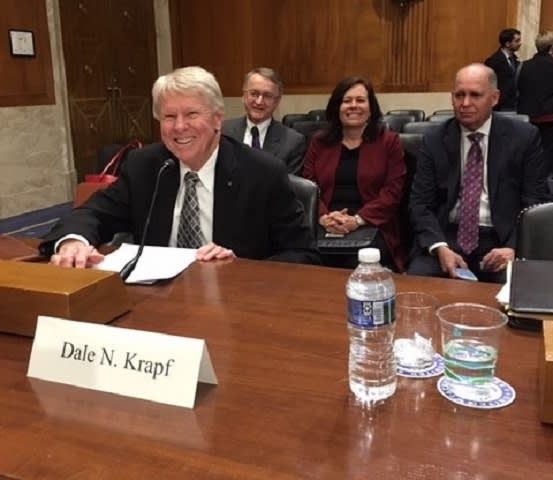
Dale Krapf, the chairman of the Krapf Group, testified before the Senate Environment and Public Works Committee on the Diesel Emission Reduction Act program.
Dale Krapf, the chairman of the Krapf Group, testified before the Senate Environment and Public Works Committee on the Diesel Emission Reduction Act program.
WASHINGTON, D.C. — Transportation executive Dale Krapf testified on Wednesday before Congress on the reauthorization of the Diesel Emission Reduction Act (DERA) program.
Krapf is the past president of the National School Transportation Association (NSTA) and chairman of The Krapf Group, one of the largest passenger transportation companies in the U.S. Headquartered in West Chester, Pennsylvania, the Krapf Group is also a pupil transportation provider.
Krapf testified before the Senate Environment and Public Works Committee. During his remarks, Krapf noted NSTA’s support of the DERA program, which provides funding for clean diesel projects, as well as the preceding Clean School Bus Program.
“We are proud of the progress that has been made,” Krapf told the Senate committee, “and especially that the school bus sector has probably been the single largest sector to benefit from the program since the program was established. Communities around the country benefit by having new or retrofitted buses to take children to and from school.”
Throughout the hearing, Senate Committee members emphasized not only the importance of the program in their states in curbing pollution and carbon emissions, but also the fact that the technology used has been overwhelmingly developed in the United States and is now being exported around the world, according to the NSTA.
Krapf also explained the overall impact school buses have on the environment in reducing the number of vehicles on the road, providing cleaner air, and reinforcing safety for students.
"Each day, nearly 500,000 school buses transport over 26 million school children to and from school —more than inter-city and intra-city bus transportation, rail, and aviation combined," Krapf told the Senate committee. "School buses help ease congestion, help save energy, and reduce pollution by taking an average of 36 cars off the road for each bus in service."
Krapf added that he “was happy to provide testimony on this important program and to see such strong bipartisan support.”
The bill introduced to extend the DERA program for five more years was presented to lawmakers on Tuesday, according to a news release from the NSTA.
As previously reported, Krapf spoke about the NSTA's support of the DERA program at a U.S. Environmental Protection Agency event to honor Children’s Health Month in October. Krapf School Bus displayed one of its buses, which was purchased through funds under the DERA initiative, at the event.
Watch a recorded live stream of the hearing here.
More Alternative Fuels

CALSTART and Forth Combine to Form Catalyst Mobility
The new name represents a renewed vision for the nonprofit focused on advancing clean, equitable, and affordable transportation solutions that move people and goods.
Read More →
Alt-Fuel Moves: New Buses, Charging Hubs & Real-World EV Testing
Propane and electric school bus deployments continue to grow as districts add new vehicles, expand charging infrastructure, and gather more real-world operating data.
Read More →
Fewer Electric School Bus Models Reshape the U.S. Market
WRI’s latest buyer’s guide points to a consolidating electric school bus market, but fewer options may reflect a maturing industry rather than fewer meaningful choices for school bus operators.
Read More →
The Fuel Budget You Can Actually Predict: How Propane Autogas Keeps Money in the Classroom
Learn how propane autogas helps school districts manage fuel costs with predictable pricing, lower maintenance, and reduced emissions from former transportation director Joel Stutheit.
Read More →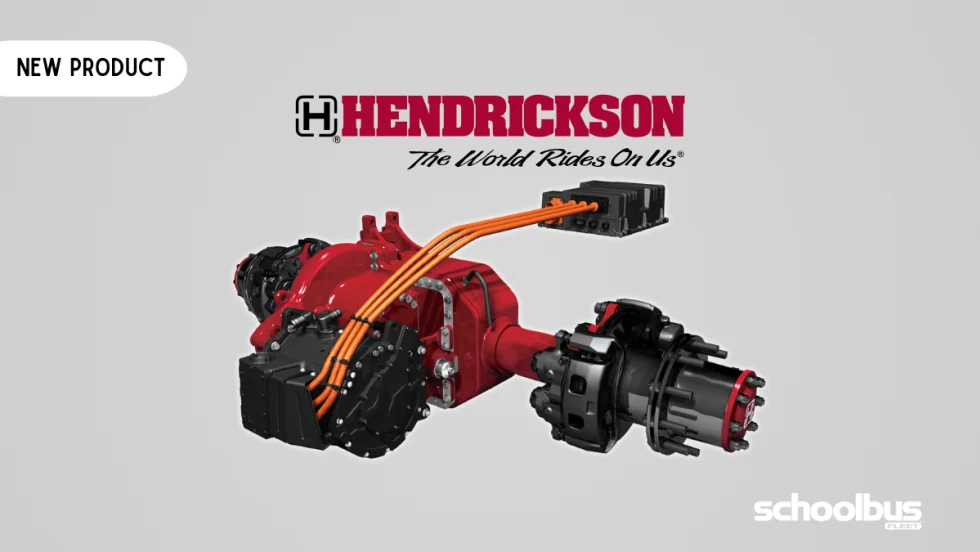
Hendrickson, Driventic Introduce New Electric Powertrain for School Buses
ELECTRAAX, the electrified, lightweight drive axle offers integrated ePowertrain efficiency and modular flexibility for Class 6–7 school bus use.
Read More →
The Mobility House Joins PowerFlex in Fleet Electrification Deal
The acquisition combines intelligent charging software, bidirectional charging expertise, and fleet electrification services to support the growing adoption of electric school buses across North America.
Read More →
Alt-Fuel Moves: Electric School Bus Investments Hit the Road
See which districts across the U.S. are putting electric school buses into service, expanding charging infrastructure, and planning the next phase of fleet electrification.
Read More →
With Fuel Volatility Ahead, School Districts Turn to Propane
While diesel prices peaked above $5 this spring, districts with propane autogas-powered fleets paid under $2 per gallon, according to PERC.
Read More →
EPA Unveils Proposed Changes to 2027 Heavy-Duty Engine Rules
The federal agency has proposed changes to next year’s targets that would eliminate DEF derates, ease warranty requirements, and retain current NOx emissions standards.
Read More →
Alt-Fuel Moves: EV Charging & Infrastructure Projects Gain Momentum
The latest developments include new funding, charging infrastructure, utility investments, and fleet technologies designed to support the transition to electric school buses nationwide.
Read More →