





Check Out: Propane Autogas Vehicles Get Alternative Fuel Tax Credit Extension
Inaugural National Propane Day Planned This Month
The Oct. 7 event is a chance to recognize the benefits provided by the propane industry.
October 3, 2022
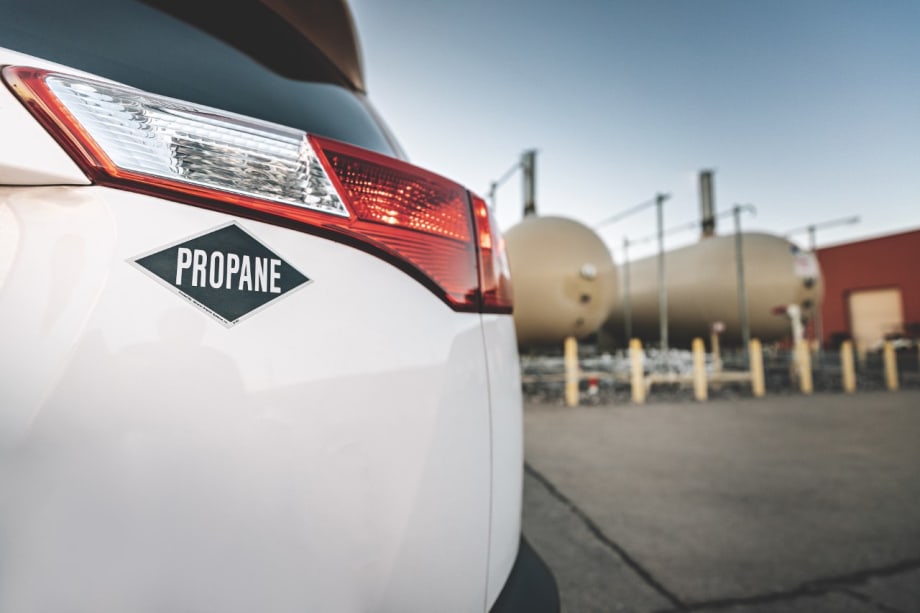
According to a survey of fleet end users published in the State of Sustainable Fleets 2021 Market Brief, a majority of respondents found the affordability of propane autogas vehicles to be equal to or better than diesel and gasoline based on fuel cost (82%), maintenance cost (68%), and total cost of ownership (67%).
Photo: Propane Education & Research Council
2 min to read
The Propane Education & Research Council (PERC) is celebrating its inaugural National Propane Day on Oct. 7, 2022. PERC is observing National Propane Day as an opportunity to recognize the propane industry and celebrate all the benefits propane offers, including for transportation directors and fleet owners.
“Whether you’re transporting students safely to and from school, working to make sure goods are delivered on time, or providing a clean ride for the community, propane autogas is the sustainable energy source to achieve all of these goals,” said Steve Whaley, director of autogas business development at PERC. “Propane autogas is energy for everyone, and we are proud to celebrate that in communities around the nation on National Propane Day and beyond.”
Thousands of fleet owners and transportation directors choose propane autogas to power their vehicle or school bus fleets every day. It can be an ideal energy source for medium-duty (class 3-7) vehicles that need a range of up to 400 miles per day and the ability to carry a heavier payload, all while significantly reducing emissions.
Today’s propane autogas engines are 90% cleaner than mandated EPA standards, with effectively zero particulate matter emissions and 96% fewer nitrogen oxide (NOx) emissions than clean diesel engines, according to a news release. The propane engines are certified to the optional ultra-low NOx emissions standard as defined by the California Air Resources Board (CARB) for heavy-duty engines with 0.02 grams per brake horsepower-hour.
As an affordable solution, propane autogas also provides fleets with lower total cost-of-ownership. According to a survey of fleet end users published in the State of Sustainable Fleets 2021 Market Brief, a majority of respondents found the affordability of propane autogas vehicles to be equal to or better than diesel and gasoline based on fuel cost (82%), maintenance cost (68%), and total cost of ownership (67%). The survey also found propane autogas is the most popular alternative fuel for school bus, paratransit, shuttle, and delivery vehicle fleets, with over 50% of fleet operators choosing propane autogas vehicles over compressed natural gas, battery electric, and fuel cell electric vehicles.
“Propane autogas is abundant and available today to provide fleets with the environmental sustainability they want and the financial sustainability they need,” said Whaley. “We invite fleet owners to take the time on National Propane Day to learn how this clean energy source can benefit their fleet.”
More Alternative Fuels

CALSTART and Forth Combine to Form Catalyst Mobility
The new name represents a renewed vision for the nonprofit focused on advancing clean, equitable, and affordable transportation solutions that move people and goods.
Read More →
Alt-Fuel Moves: New Buses, Charging Hubs & Real-World EV Testing
Propane and electric school bus deployments continue to grow as districts add new vehicles, expand charging infrastructure, and gather more real-world operating data.
Read More →
Fewer Electric School Bus Models Reshape the U.S. Market
WRI’s latest buyer’s guide points to a consolidating electric school bus market, but fewer options may reflect a maturing industry rather than fewer meaningful choices for school bus operators.
Read More →
The Fuel Budget You Can Actually Predict: How Propane Autogas Keeps Money in the Classroom
Learn how propane autogas helps school districts manage fuel costs with predictable pricing, lower maintenance, and reduced emissions from former transportation director Joel Stutheit.
Read More →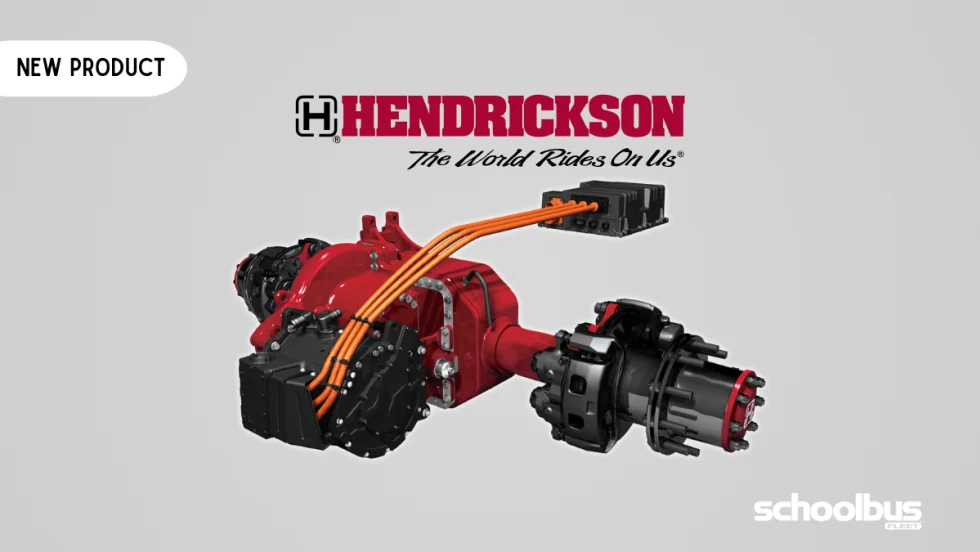
Hendrickson, Driventic Introduce New Electric Powertrain for School Buses
ELECTRAAX, the electrified, lightweight drive axle offers integrated ePowertrain efficiency and modular flexibility for Class 6–7 school bus use.
Read More →
The Mobility House Joins PowerFlex in Fleet Electrification Deal
The acquisition combines intelligent charging software, bidirectional charging expertise, and fleet electrification services to support the growing adoption of electric school buses across North America.
Read More →
Alt-Fuel Moves: Electric School Bus Investments Hit the Road
See which districts across the U.S. are putting electric school buses into service, expanding charging infrastructure, and planning the next phase of fleet electrification.
Read More →
With Fuel Volatility Ahead, School Districts Turn to Propane
While diesel prices peaked above $5 this spring, districts with propane autogas-powered fleets paid under $2 per gallon, according to PERC.
Read More →
EPA Unveils Proposed Changes to 2027 Heavy-Duty Engine Rules
The federal agency has proposed changes to next year’s targets that would eliminate DEF derates, ease warranty requirements, and retain current NOx emissions standards.
Read More →
Alt-Fuel Moves: EV Charging & Infrastructure Projects Gain Momentum
The latest developments include new funding, charging infrastructure, utility investments, and fleet technologies designed to support the transition to electric school buses nationwide.
Read More →