





Catch a Ride on The Route: Clean Start Ahead
Illinois Politicians Seek Eligibility Expansion for Clean School Bus Program
In a letter addressed to EPA Administrator Michael Regan, legislators want changes to eligibility and prioritization criteria to avoid keeping some districts locked out of the federal program.
June 21, 2022
The Clean School Bus Program's prioritization criteria is currently based on Small Area Income and Poverty Estimates, with 20% of a district's student population having to fall below the poverty line.
Image: Environmental Protection Agency
3 min to read
In a letter to U.S. Environmental Protection Agency Administrator Michael Regan, several Illinois legislators are pushing for changes to eligibility requirements in the new Clean School Bus Program.
The letter, submitted by U.S. Rep. Jan Schakowsky and Sen. Dick Durbin and 12 of their colleagues from Illinois, indicates that the program’s requirement that schools provide a diesel bus for scrapping before they can get funding under the EPA rebate program could block eligibility for school districts that don’t own buses.
“Some Chicago-area school districts, including Proviso, Rich Township, Lindop, Prairie Hills, Waukegan, and others are interested in applying to this new program, but may be locked out due to EPA-imposed scrappage requirements that run contrary to the intention of the law,” the letter stated.
Barrier to Clean School Bus Eligibility
The letter noted that districts would spend time and money to buy a bus for scrapping instead of working with utilities to develop a charging-infrastructure plan. The letter said: “This is a barrier to applying and could arbitrarily drive up the value of diesel buses, further limiting access. It unnecessarily pits school districts against one another in a scramble for old buses and runs contrary to the spirit of the program, which seeks to promote equitable access and reduce harmful emissions for as many schools as possible.”
As an alternative, the legislators asked that EPA “take the onus off of schools to locate old buses and instead facilitate the identification of these buses on behalf of applicants.”
“Districts transitioning their bus ownership model deserve the opportunity to secure clean electric school buses and enjoy the health benefits that the program intended,” the letter stated.
Problem with Prioritization
The legislators also asked the EPA to revisit the criteria for the program’s priority list, which currently excludes Chicago Public Schools. The Clean School Bus Program uses the Small Area Income and Poverty Estimates, with 20% of a district’s student population having to fall below the poverty line, for priority eligibility. Chicago falls just below that at 19.9%.
“The model chosen by EPA prevents entire districts that have thousands of predominantly black and brown students below the poverty line from receiving priority treatment,” the letter stated. It recommended that large districts be allowed to apply for sub-districts and designated schools, such as transportation zones or attendance areas with more than 20% below the poverty rate.
Melissa Stratton, a spokesperson for Chicago Public Schools, said the city schools welcome the assistance.
“We appreciate this effort to expand eligibility of the EPA Clean School Bus Program, something we have discussed with our offices,” she told School Bus Fleet. “While Chicago Public Schools does not own our school buses, which is currently a prerequisite for participation in this program, we hope to take maximum advantage of this opportunity. In the meantime, we are working with our vendors to encourage them to apply for the program.”
More Alternative Fuels

CALSTART and Forth Combine to Form Catalyst Mobility
The new name represents a renewed vision for the nonprofit focused on advancing clean, equitable, and affordable transportation solutions that move people and goods.
Read More →
Alt-Fuel Moves: New Buses, Charging Hubs & Real-World EV Testing
Propane and electric school bus deployments continue to grow as districts add new vehicles, expand charging infrastructure, and gather more real-world operating data.
Read More →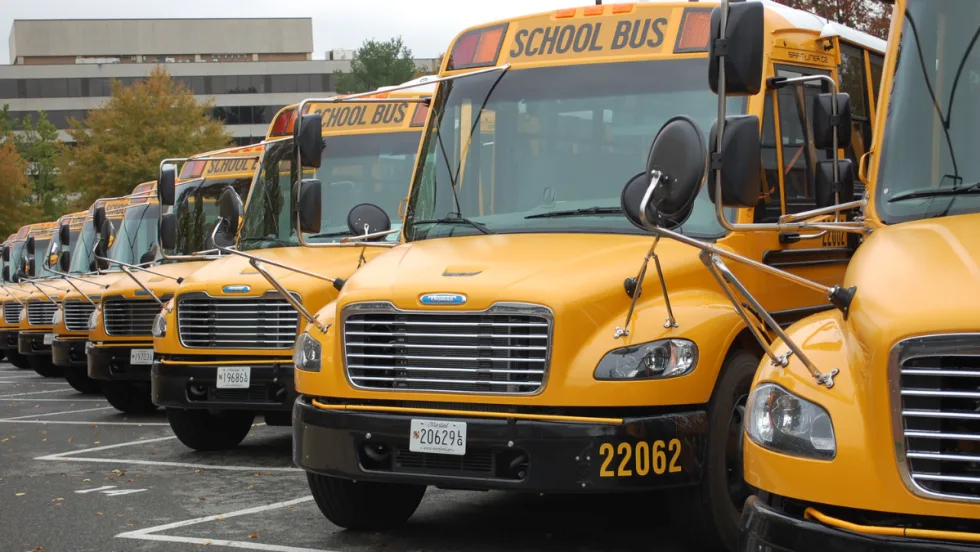
Fewer Electric School Bus Models Reshape the U.S. Market
WRI’s latest buyer’s guide points to a consolidating electric school bus market, but fewer options may reflect a maturing industry rather than fewer meaningful choices for school bus operators.
Read More →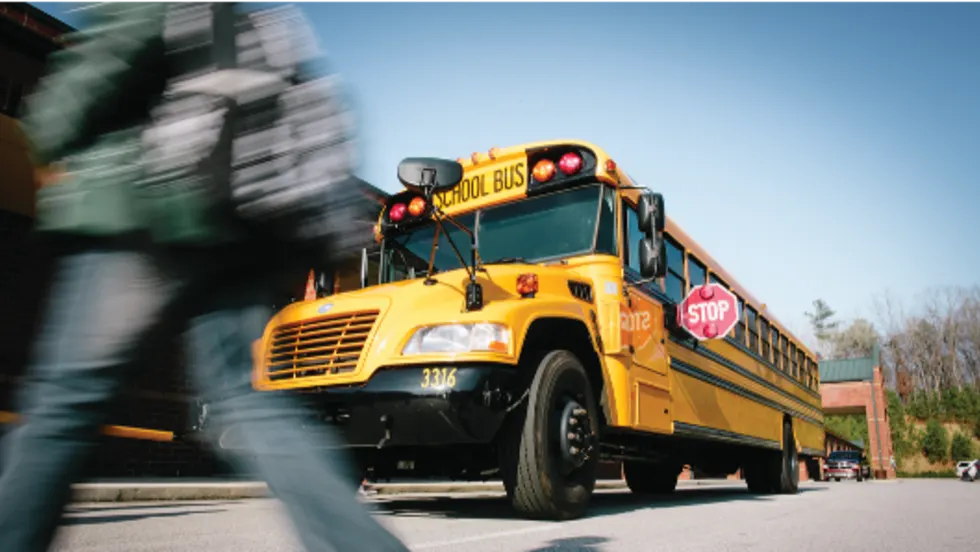
The Fuel Budget You Can Actually Predict: How Propane Autogas Keeps Money in the Classroom
Learn how propane autogas helps school districts manage fuel costs with predictable pricing, lower maintenance, and reduced emissions from former transportation director Joel Stutheit.
Read More →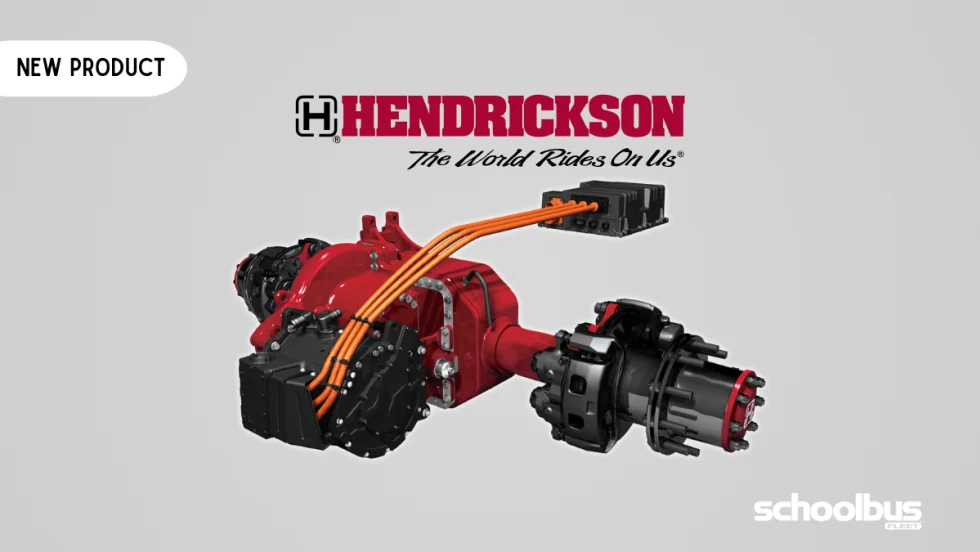
Hendrickson, Driventic Introduce New Electric Powertrain for School Buses
ELECTRAAX, the electrified, lightweight drive axle offers integrated ePowertrain efficiency and modular flexibility for Class 6–7 school bus use.
Read More →
The Mobility House Joins PowerFlex in Fleet Electrification Deal
The acquisition combines intelligent charging software, bidirectional charging expertise, and fleet electrification services to support the growing adoption of electric school buses across North America.
Read More →
Alt-Fuel Moves: Electric School Bus Investments Hit the Road
See which districts across the U.S. are putting electric school buses into service, expanding charging infrastructure, and planning the next phase of fleet electrification.
Read More →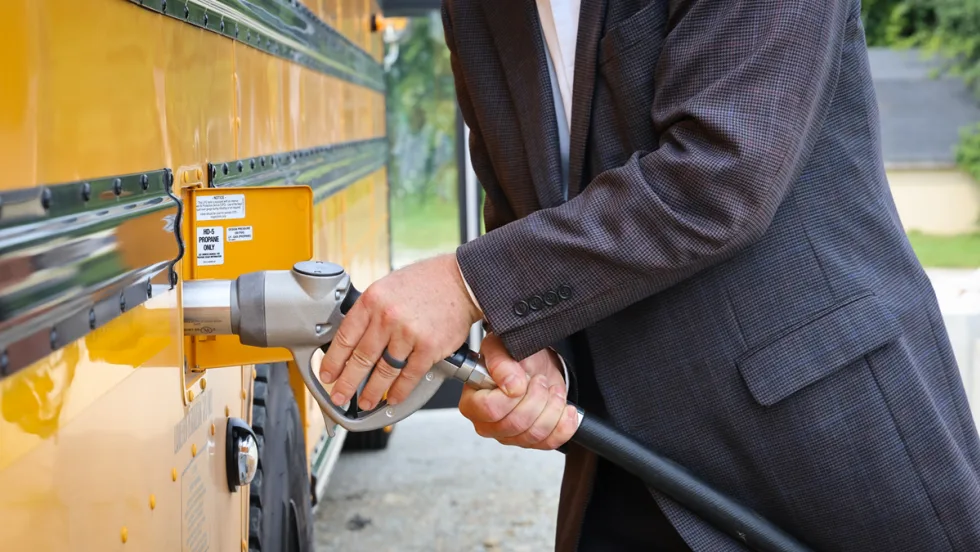
With Fuel Volatility Ahead, School Districts Turn to Propane
While diesel prices peaked above $5 this spring, districts with propane autogas-powered fleets paid under $2 per gallon, according to PERC.
Read More →
EPA Unveils Proposed Changes to 2027 Heavy-Duty Engine Rules
The federal agency has proposed changes to next year’s targets that would eliminate DEF derates, ease warranty requirements, and retain current NOx emissions standards.
Read More →
Alt-Fuel Moves: EV Charging & Infrastructure Projects Gain Momentum
The latest developments include new funding, charging infrastructure, utility investments, and fleet technologies designed to support the transition to electric school buses nationwide.
Read More →