




Execs discuss cost, safety benefits of new propane bus
SBF sits down with officials from Blue Bird, Ford and ROUSH after they unveil the Next Generation Propane-Powered Vision, which they say offers fuel savings of 30 to 40 percent on average compared to diesel counterparts.

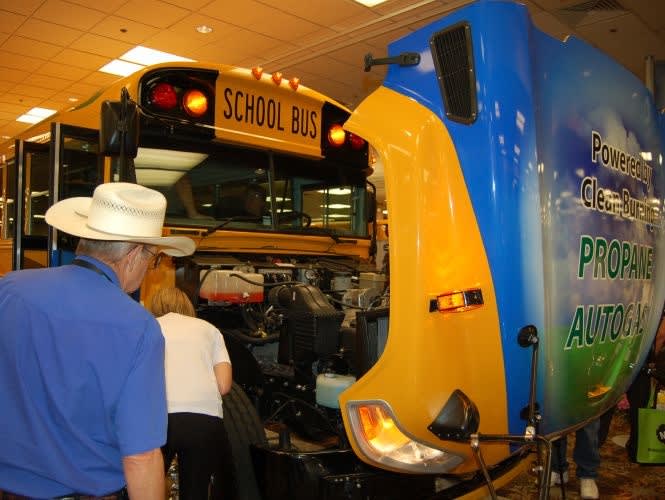
Trade show attendees look over the Next Generation Propane-Powered Vision, which was unveiled in Reno on Tuesday.
RENO, Nev. — Citing advantages in fuel costs, emissions and safety, Blue Bird and its partners undraped the Next Generation Propane-Powered Vision here on Tuesday.
As previously reported, Blue Bird collaborated with Ford and ROUSH CleanTeach on the school bus, which they say provides fuel savings of 30 to 40 percent on average compared to diesel counterparts.
The Type C bus is built on a Blue Bird chassis and powered by a Ford 6.8-liter V-10 engine with the ROUSH CleanTech liquid propane autogas fuel system. It offers 362 horsepower and 457 pounds of torque.
After the unveiling, which drew a throng of attendees at the STN Expo, SBF Executive Editor Thomas McMahon sat down with executives from the three companies to discuss the features of the Next Generation Propane-Powered Vision.
Phil Horlock, president and CEO of Blue Bird, said that one of the main objectives in developing the bus was “to make sure we have a reliable product. School buses last for 12 years or more — in some cases 20 years. So it has to have longevity. It has to have been tried and tested out there in the market.”
To that end, George Weber, president and CEO of Ford Component Sales, noted that the Ford 6.8-liter engine that the bus uses has already been in service in numerous trucks.
[IMAGE]418[/IMAGE]
“It’s a fantastic engine,” Weber said. “It is tried and true. It has millions of miles behind it.
Todd Mouw, vice president of sales and marketing for ROUSH CleanTech, said that while his company has been known for “making things go fast” in the auto racing world, the focus here is on fuel efficiency — while still providing top performance.
Mouw also pointed to safety benefits: The bus has quarter-inch thick steel fuel tanks for puncture resistance, and propane itself has a narrow range of flammability compared to diesel or gas, he said.
Horlock said that for operations that have been running the first generation of the Propane-Powered Vision, a key benefit is its affordability.
“Another thing we hear is the drivers love this bus — it’s quiet,” he added. “And the tailpipe is clean, so it’s great for the environment.”
Horlock said that Blue Bird would begin taking orders for the new Propane-Powered Vision after the trade show, and production is slated to begin in March. The model that was unveiled at the show will travel around the country to Blue Bird dealers, which will hold ride-and-drive events.
More Alternative Fuels
Alt-Fuel Moves: Electric Bus Rollouts, Bidirectional Charging & Propane Growth
See which fleets are adding electric and propane school buses as districts and operators invest in charging infrastructure, bidirectional technology, and alternative-fuel expansion.
Read More →
Nobody Told Diesel Prices They Were Supposed to Come Down
With diesel prices surging, school bus fleets have new reason to stress-test fuel costs, consider diversification, and calculate what each route really costs to operate.
Read More →
Why Gasoline School Buses Are Making a Comeback
Gasoline is gaining ground in full-size school buses. See how today’s options stack up against diesel on cost, maintenance, emissions, performance, and more.
Read More →
EPA Opens $180M DERA Funding Round for Diesel Upgrades
The 2026 Diesel Emissions Reduction Act program seeks applications from eligible organizations to accelerate the retirement of legacy diesel vehicles.
Read More →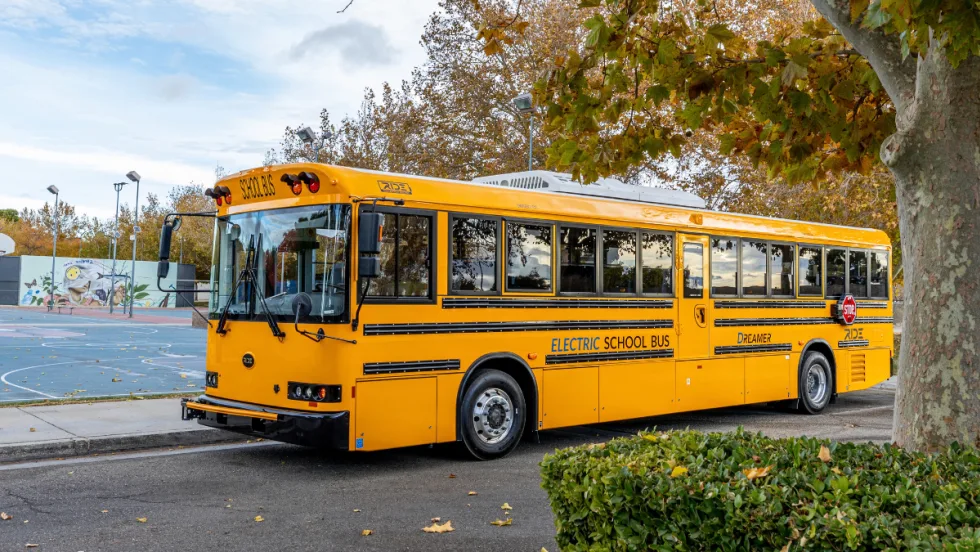
The Secret Life of an Electric School Bus Battery
Batteries change throughout years of daily routes, but degradation doesn’t necessarily mean the end. Here’s what operators should know about performance, safety, and second life.
Read More →
CALSTART and Forth Combine to Form Catalyst Mobility
The new name represents a renewed vision for the nonprofit focused on advancing clean, equitable, and affordable transportation solutions that move people and goods.
Read More →
Alt-Fuel Moves: New Buses, Charging Hubs & Real-World EV Testing
Propane and electric school bus deployments continue to grow as districts add new vehicles, expand charging infrastructure, and gather more real-world operating data.
Read More →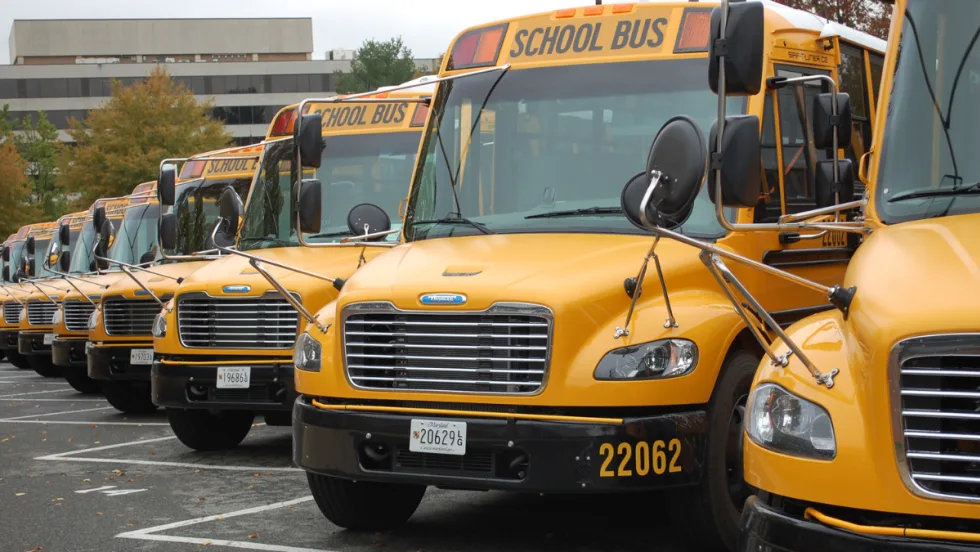
Fewer Electric School Bus Models Reshape the U.S. Market
WRI’s latest buyer’s guide points to a consolidating electric school bus market, but fewer options may reflect a maturing industry rather than fewer meaningful choices for school bus operators.
Read More →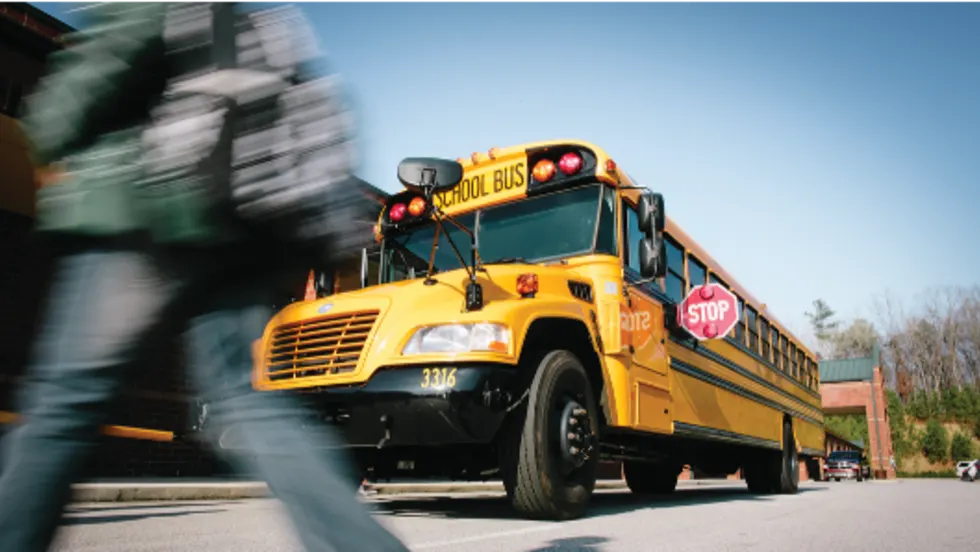
The Fuel Budget You Can Actually Predict: How Propane Autogas Keeps Money in the Classroom
Learn how propane autogas helps school districts manage fuel costs with predictable pricing, lower maintenance, and reduced emissions from former transportation director Joel Stutheit.
Read More →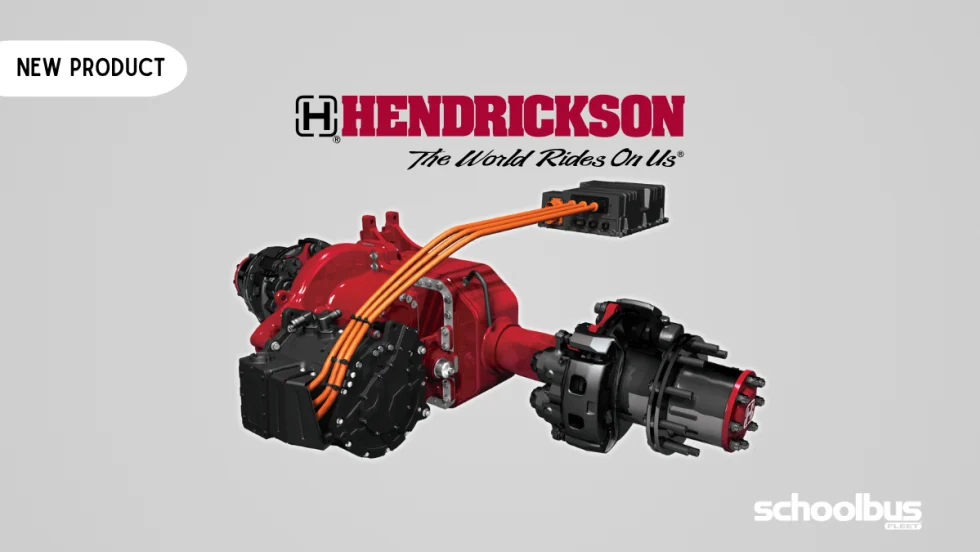
Hendrickson, Driventic Introduce New Electric Powertrain for School Buses
ELECTRAAX, the electrified, lightweight drive axle offers integrated ePowertrain efficiency and modular flexibility for Class 6–7 school bus use.
Read More →