





Related News: Blueprint Lays Out Transportation Decarbonization Plan
EPA Provides Funding for New All-Electric Buses to Six New York School Districts
Environmental Protection Agency approves to spend over $6 million dollars to purchase all-electric school buses for several districts.
June 5, 2023
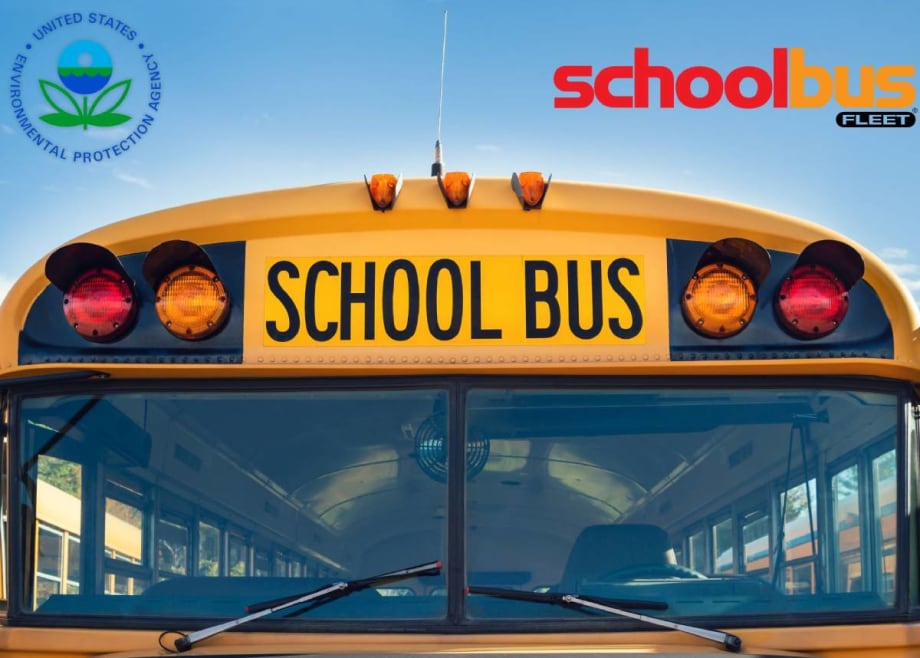
The EPA’s Clean School Bus Program will fund buses that will produce either zero or low tailpipe emissions compared to diesel.
Photo: Canva
4 min to read
The Bipartisan Infrastructure Law (BIL) is transforming how children get to school, accelerating the transition to zero-emission vehicles, and producing cleaner air for our communities.
That was the message delivered on May 31, by EPA Regional Administrator Lisa F. Garcia in Saratoga Springs, New York.
In the last round of the Clean School Bus Rebate Program, EPA funded six projects through Leonard Bus Sales, Inc. totaling $6.625 million available to six school districts across New York State, allowing the purchase of 17 new electric school buses to take the streets.
“Protecting our kids and tackling the climate crisis is a win-win. Transitioning away from dirty diesel and toward clean electric buses is a smart investment in our children's future,” said Regional Administrator Lisa F. Garcia. "Cleaner air and less pollution are a net positive for the community, and thanks to the Bipartisan Infrastructure Law this is just the beginning. Beyond the community, the reduction in greenhouse gas emissions from these bus replacement projects will help to address the outsized role of the transportation sector on climate change.”
“When we invest in clean, zero-emission transportation for our schools, we are prioritizing the health and well-being of our children and our communities," said Congressman Paul Tonko (NY-20). "Funding from the EPA’s Clean School Bus Rebate Program will enable these six school districts in New York State, and many others across the nation, to introduce state-of-the-art electric buses, reducing emissions and improving air quality for surrounding communities.”
“Together with the support on the federal level, New York’s significant investments in electrifying the transportation sector will provide school districts with a path to change over their school bus fleets and advance our shared goals of providing students across the state with cleaner and healthier transportation.” said Doreen M. Harris, President & CEO of NYSERDA and co-chair of the Climate Action Council.
“We’re proud of the public-private partnership we have with our school districts and look forward to supporting them as they transition to a zero-emissions future.” said Jon Leonard, President of Leonard Bus Sales.
The six school districts who will benefit from this last round of Clean School Bus rebates are:
Adirondack Central School District (receiving 3 buses)
Chatham Central School District (receiving 5 buses).
Fabius-Pompey Central School District (receiving 5 buses).
Monticello Central School District (receiving 1 bus).
Naples Central School District (receiving 2 buses).
Norwood-Norfolk Central School District (receiving 1 bus).
In April of this year, EPA announced a new Clean School Bus (CSB) grant program opportunity. EPA is accepting applications for this new round of grant funding through August 2023.
EPA anticipates awarding approximately $400 million in competitive grant funding under this 2023 CSB Grant Notice of Funding Opportunity (NOFO) competition.
The $400 million grant opportunity through EPA’s Clean School Bus Program will fund electric, propane, and Compressed Natural Gas (CNG) buses that will produce either zero or low tailpipe emissions compared to their older diesel predecessors.
EPA is prioritizing applications that will replace buses serving high-need school districts and low-income areas, Tribal school districts funded by the Bureau of Indian Affairs or those school districts receiving basic support payments under section 7703(b)(1) of title 20 for students living on Indian land, and rural school districts.
In addition, EPA is committed to ensuring the Clean School Bus Program delivers on the Biden-Harris Administration’s Justice40 Initiative to ensure that at least 40% of the benefits of certain federal investments flow to disadvantaged communities.
Large school districts with communities of concentrated poverty also will be prioritized if their proposal focuses on clean school buses serving those communities.
This NOFO includes two sub-programs, one for school district and Tribal applicants (School District Sub-program) and one for third-party applicants (Third-Party Sub-program) to serve at least four school district beneficiaries.
Eligible entities for the school-district sub-program include:
State and local governmental entities (e.g., school districts).
Public charter school districts.
Indian Tribes, Tribal Organizations, or Tribally controlled Schools.
Applicants in the School District Sub-Program must request a minimum of 15 school buses and can request up to a maximum of 50 school buses.
Eligible entities for the Third-Party Sub-program include:
Nonprofit school transportation associations and
Eligible contractors (including OEMs, dealers, school bus service providers, and Private bus fleets).
Applicants in the Third-party Sub-Program must request a minimum of 25 school buses and may request up to a maximum of 100 school buses.
Third-party Sub-program applicants are required to support at least four different school district beneficiaries.
If you are interested in applying for the 2023 CSB Grant NOFO competition, please visit the EPA website.
More Alternative Fuels

CALSTART and Forth Combine to Form Catalyst Mobility
The new name represents a renewed vision for the nonprofit focused on advancing clean, equitable, and affordable transportation solutions that move people and goods.
Read More →
Alt-Fuel Moves: New Buses, Charging Hubs & Real-World EV Testing
Propane and electric school bus deployments continue to grow as districts add new vehicles, expand charging infrastructure, and gather more real-world operating data.
Read More →
Fewer Electric School Bus Models Reshape the U.S. Market
WRI’s latest buyer’s guide points to a consolidating electric school bus market, but fewer options may reflect a maturing industry rather than fewer meaningful choices for school bus operators.
Read More →
The Fuel Budget You Can Actually Predict: How Propane Autogas Keeps Money in the Classroom
Learn how propane autogas helps school districts manage fuel costs with predictable pricing, lower maintenance, and reduced emissions from former transportation director Joel Stutheit.
Read More →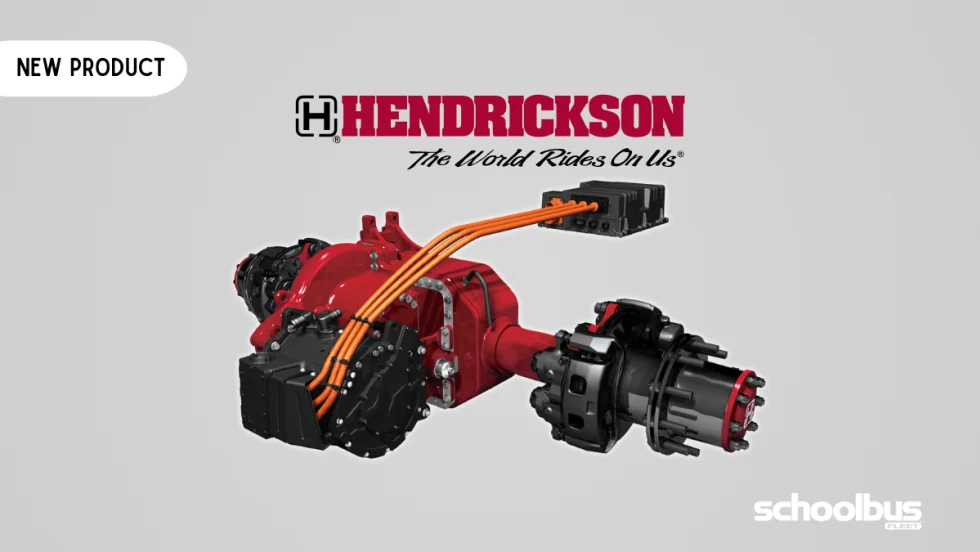
Hendrickson, Driventic Introduce New Electric Powertrain for School Buses
ELECTRAAX, the electrified, lightweight drive axle offers integrated ePowertrain efficiency and modular flexibility for Class 6–7 school bus use.
Read More →
The Mobility House Joins PowerFlex in Fleet Electrification Deal
The acquisition combines intelligent charging software, bidirectional charging expertise, and fleet electrification services to support the growing adoption of electric school buses across North America.
Read More →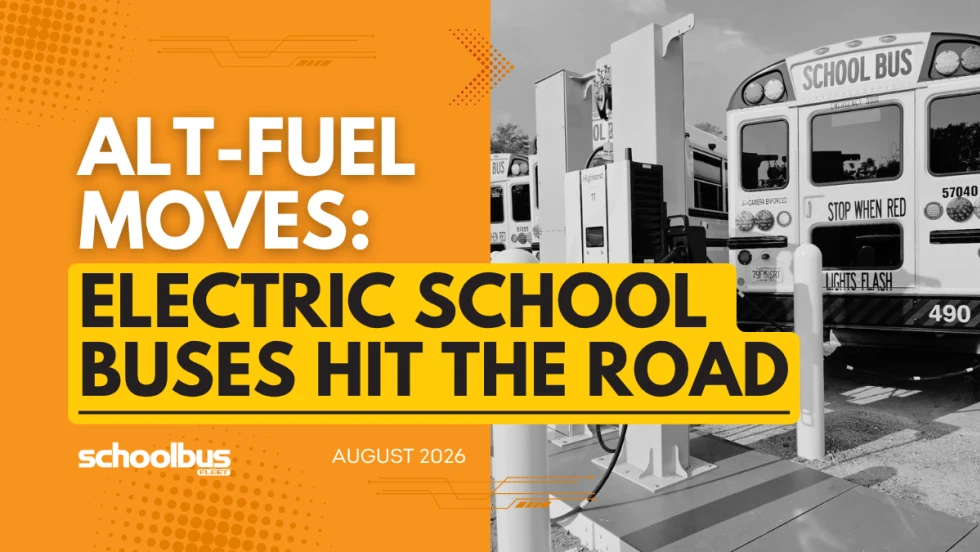
Alt-Fuel Moves: Electric School Bus Investments Hit the Road
See which districts across the U.S. are putting electric school buses into service, expanding charging infrastructure, and planning the next phase of fleet electrification.
Read More →
With Fuel Volatility Ahead, School Districts Turn to Propane
While diesel prices peaked above $5 this spring, districts with propane autogas-powered fleets paid under $2 per gallon, according to PERC.
Read More →
EPA Unveils Proposed Changes to 2027 Heavy-Duty Engine Rules
The federal agency has proposed changes to next year’s targets that would eliminate DEF derates, ease warranty requirements, and retain current NOx emissions standards.
Read More →
Alt-Fuel Moves: EV Charging & Infrastructure Projects Gain Momentum
The latest developments include new funding, charging infrastructure, utility investments, and fleet technologies designed to support the transition to electric school buses nationwide.
Read More →