





Are You Ready? 4 Things to Know for Your EPA EV Payment Request
EPA Proposes Tougher Emissions Standards for School Buses
The new Phase 3 plan for heavy-duty trucks, including school buses, would affect Model Year 2027 vehicles and is projected to avoid 1.8 billion tons of carbon dioxide through 2055.
April 12, 2023
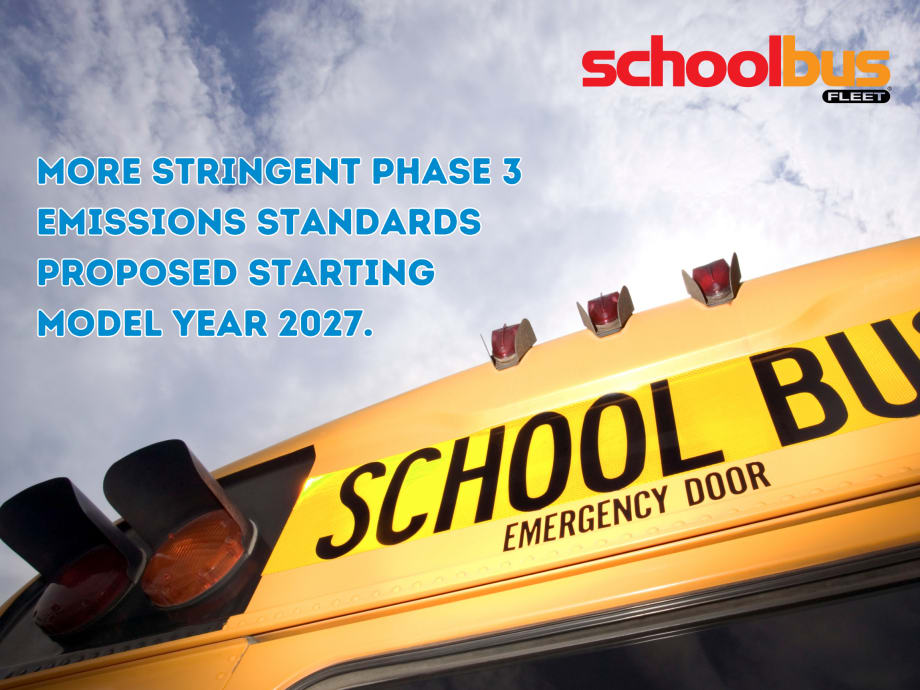
The EPA expects the standards to accelerate the transition to clean vehicles while also tackling the climate crisis.
Image: Canva
2 min to read
Model Year 2027 could bring more stringent greenhouse-gas emission standards for heavy-duty vocational vehicles, including school buses, if the Environmental Protection Agency (EPA) goes through with a new proposal.
The plan, announced April 12, calls for stronger carbon dioxide standards than applied under the HD Phase 2 Greenhouse Gas Program.
“By proposing the most ambitious pollution standards ever for cars and trucks, we are delivering on the Biden-Harris Administration’s promise to protect people and the planet, securing critical reductions in dangerous air and climate pollution and ensuring significant economic benefits like lower fuel and maintenance costs for families,” said Michael S. Regan, EPA administrator.
Overview of the Phase 3 Proposal
The heavy-duty truck standards would apply to delivery trucks, refuse haulers, dump trucks, public utility trucks, transit, shuttle, and school buses, and trucks typically used to haul freight. The proposal uses performance-based standards so that manufacturers can achieve compliance based on fleet composition.
According to a news release, net benefits of the heavy-duty proposal are projected to range between $180 to $320 billion and could avoid 1.8 billion tons of CO2 through 2055, “equivalent to eliminating all greenhouse gas emissions from the entire current U.S. transportation sector for an entire year, and deliver additional health benefits by reducing other pollutants from these vehicles."
Ben Prochazka, executive director of the Electrification Coalition, praised the proposal's potential to accelerate adoption of cleaner technologies for the country's transportation systems.
"While the timeline is ambitious and might be a challenge for some in the automotive sector, we must urgently develop robust, secure supply chains with our allies and establish U.S.-based manufacturing to electrify our cars, trucks, and buses," Prochazka said. "This move, along with the policies and programs created by the Inflation Reduction Act and Bipartisan Infrastructure Law, provides important clarity, and is another mechanism that will stimulate state and local policies and private sector investments to accelerate electrification."
An Opportunity for Feedback
Written comments may be submitted to the rulemaking docket via www.regulations.gov, docket ID No. EPA-HQ-OAR-2022-0985. Comments are due 50 days after publication in the Federal Register.
EPA plans to hold a two-day virtual public hearing the Phase 3 GHG proposal on May 2 and 3, 2023. To register to speak at the virtual hearing or attend the hearing (including those who do not intend to provide testimony) notify EPA by April 26, 2023, preferably by email to EPA-HD-Hearings@epa.gov.
More Alternative Fuels

CALSTART and Forth Combine to Form Catalyst Mobility
The new name represents a renewed vision for the nonprofit focused on advancing clean, equitable, and affordable transportation solutions that move people and goods.
Read More →
Alt-Fuel Moves: New Buses, Charging Hubs & Real-World EV Testing
Propane and electric school bus deployments continue to grow as districts add new vehicles, expand charging infrastructure, and gather more real-world operating data.
Read More →
Fewer Electric School Bus Models Reshape the U.S. Market
WRI’s latest buyer’s guide points to a consolidating electric school bus market, but fewer options may reflect a maturing industry rather than fewer meaningful choices for school bus operators.
Read More →
The Fuel Budget You Can Actually Predict: How Propane Autogas Keeps Money in the Classroom
Learn how propane autogas helps school districts manage fuel costs with predictable pricing, lower maintenance, and reduced emissions from former transportation director Joel Stutheit.
Read More →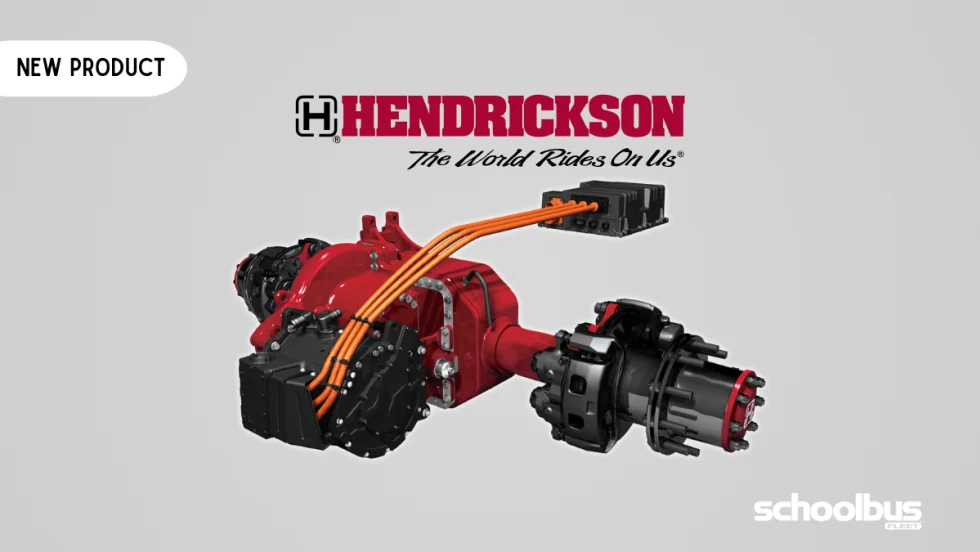
Hendrickson, Driventic Introduce New Electric Powertrain for School Buses
ELECTRAAX, the electrified, lightweight drive axle offers integrated ePowertrain efficiency and modular flexibility for Class 6–7 school bus use.
Read More →
The Mobility House Joins PowerFlex in Fleet Electrification Deal
The acquisition combines intelligent charging software, bidirectional charging expertise, and fleet electrification services to support the growing adoption of electric school buses across North America.
Read More →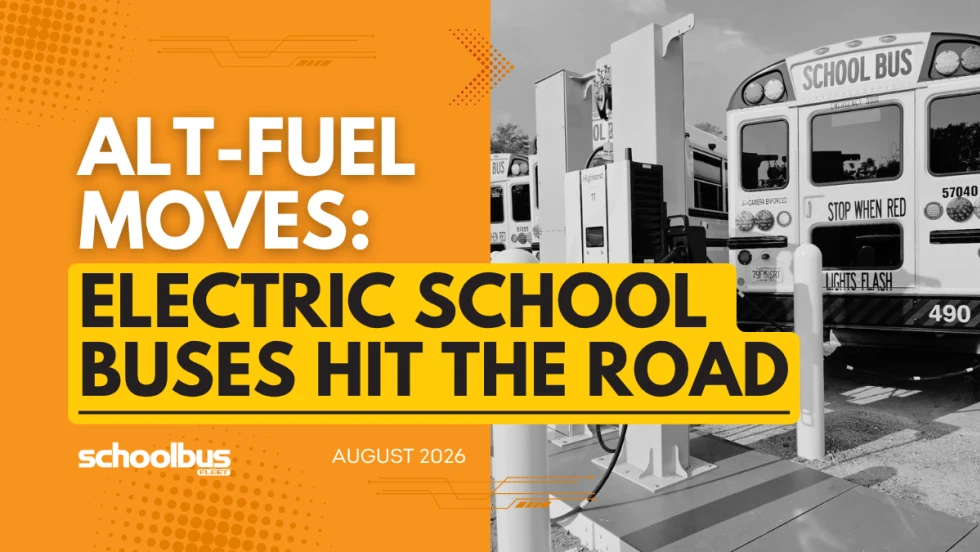
Alt-Fuel Moves: Electric School Bus Investments Hit the Road
See which districts across the U.S. are putting electric school buses into service, expanding charging infrastructure, and planning the next phase of fleet electrification.
Read More →
With Fuel Volatility Ahead, School Districts Turn to Propane
While diesel prices peaked above $5 this spring, districts with propane autogas-powered fleets paid under $2 per gallon, according to PERC.
Read More →
EPA Unveils Proposed Changes to 2027 Heavy-Duty Engine Rules
The federal agency has proposed changes to next year’s targets that would eliminate DEF derates, ease warranty requirements, and retain current NOx emissions standards.
Read More →
Alt-Fuel Moves: EV Charging & Infrastructure Projects Gain Momentum
The latest developments include new funding, charging infrastructure, utility investments, and fleet technologies designed to support the transition to electric school buses nationwide.
Read More →