




EPA offers $3M in school bus purchase rebates
Karl Simon, director of the Environmental Protection Agency (EPA) Air Office's Transportation and Climate Division, shares the news during NSTA's annual meeting. EPA provided $2 million in 2012 for school bus purchase rebates, and the program received over 1,000 applications for the 28 awards made.


The Environmental Protection Agency will provide another $3 million in rebates for the purchase of new school buses.
CHARLESTON, S.C. — During a presentation at the National School Transportation Association's (NSTA) annual meeting here this week, Karl Simon, director of the Environmental Protection Agency (EPA) Air Office's Transportation and Climate Division, announced that EPA would provide another $3 million in rebates for the purchase of new school buses.
The funds are a part of the Diesel Emission Reduction Act (DERA), which provides funding for improvements to the nation's school bus fleet, intended to help reduce emissions of particulate matter and other pollutants. EPA provided $2 million in 2012 for school bus purchase rebates, and the program received over 1,000 applications for the 28 awards made.
Rebates provide access to funding for the purchase of new vehicles with a minimum of red tape, NSTA officials said. With the reduced administrative burden, awards are made quickly using a random selection process. EPA anticipates starting the process in the fall, with awards following quickly thereafter. The funds are available to state, local and privately contracted school bus operators.
"We are pleased to see that the EPA found this program as successful as we did,” NSTA President Tim Flood said. “The ease in the administrative burden creates a better environment for all, allowing for more money to be available for the purchase of newer, cleaner buses. We commend EPA for improving the way this program is administered and for their continued support of cleaner vehicles."
"We are looking forward to once again offering a rebate program that provides funding to replace older school buses ahead of schedule," Simon said. "This program reduces harmful emissions, improves fuel economy for the school bus fleet, and improves air quality for children who ride buses every day."
In addition to announcing the 2014 rebate program, Simon assisted in recognizing the recipients of NSTA's "Go Yellow, Go Green" award, which commends school bus contractors for their achievements in emission reductions and sustainability, as well as those contractors that meet NSTA Green Fleet Certifications, which were developed in cooperation with and recognized by EPA's Clean School Bus program.
To get updates about the 2014 rebate program, go here.
More Alternative Fuels
Bipartisan Bill Seeks to Extend Clean School Bus Program Through 2031
The proposed legislation would renew federal support for cleaner school buses as districts navigate funding uncertainty, rising fuel and infrastructure costs, and fleet replacement needs.
Read More →
Alt-Fuel Moves: Electric Bus Rollouts, Bidirectional Charging & Propane Growth
See which fleets are adding electric and propane school buses as districts and operators invest in charging infrastructure, bidirectional technology, and alternative-fuel expansion.
Read More →
Nobody Told Diesel Prices They Were Supposed to Come Down
With diesel prices surging, school bus fleets have new reason to stress-test fuel costs, consider diversification, and calculate what each route really costs to operate.
Read More →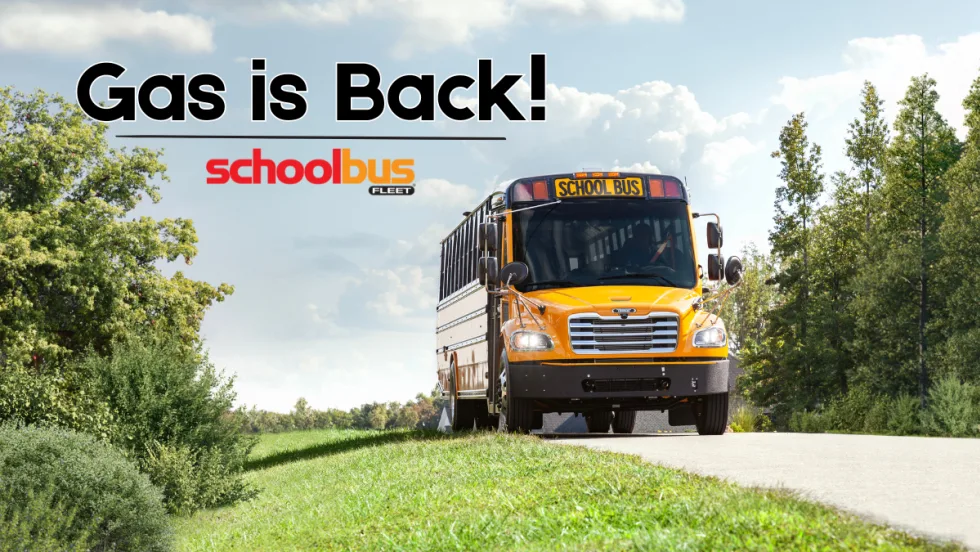
Why Gasoline School Buses Are Making a Comeback
Gasoline is gaining ground in full-size school buses. See how today’s options stack up against diesel on cost, maintenance, emissions, performance, and more.
Read More →
EPA Opens $180M DERA Funding Round for Diesel Upgrades
The 2026 Diesel Emissions Reduction Act program seeks applications from eligible organizations to accelerate the retirement of legacy diesel vehicles.
Read More →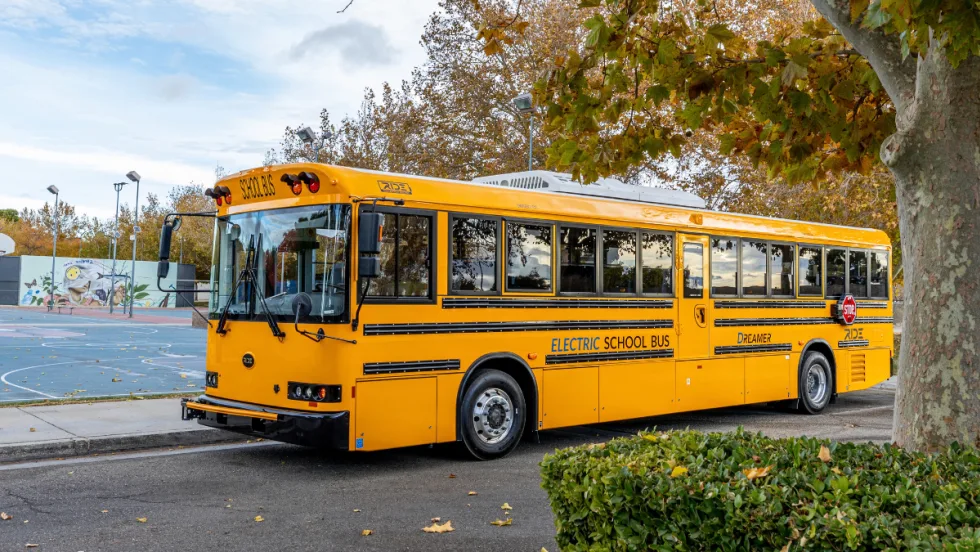
The Secret Life of an Electric School Bus Battery
Batteries change throughout years of daily routes, but degradation doesn’t necessarily mean the end. Here’s what operators should know about performance, safety, and second life.
Read More →
CALSTART and Forth Combine to Form Catalyst Mobility
The new name represents a renewed vision for the nonprofit focused on advancing clean, equitable, and affordable transportation solutions that move people and goods.
Read More →
Alt-Fuel Moves: New Buses, Charging Hubs & Real-World EV Testing
Propane and electric school bus deployments continue to grow as districts add new vehicles, expand charging infrastructure, and gather more real-world operating data.
Read More →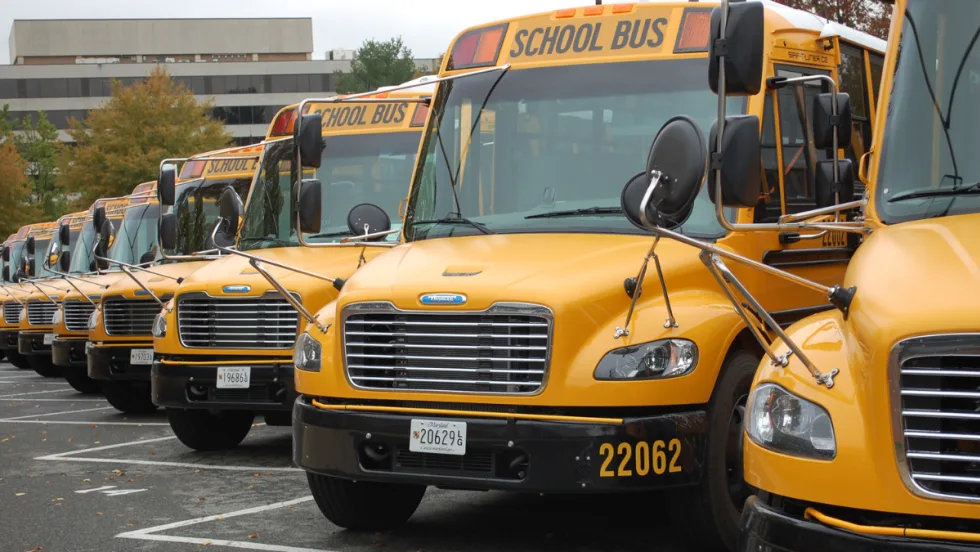
Fewer Electric School Bus Models Reshape the U.S. Market
WRI’s latest buyer’s guide points to a consolidating electric school bus market, but fewer options may reflect a maturing industry rather than fewer meaningful choices for school bus operators.
Read More →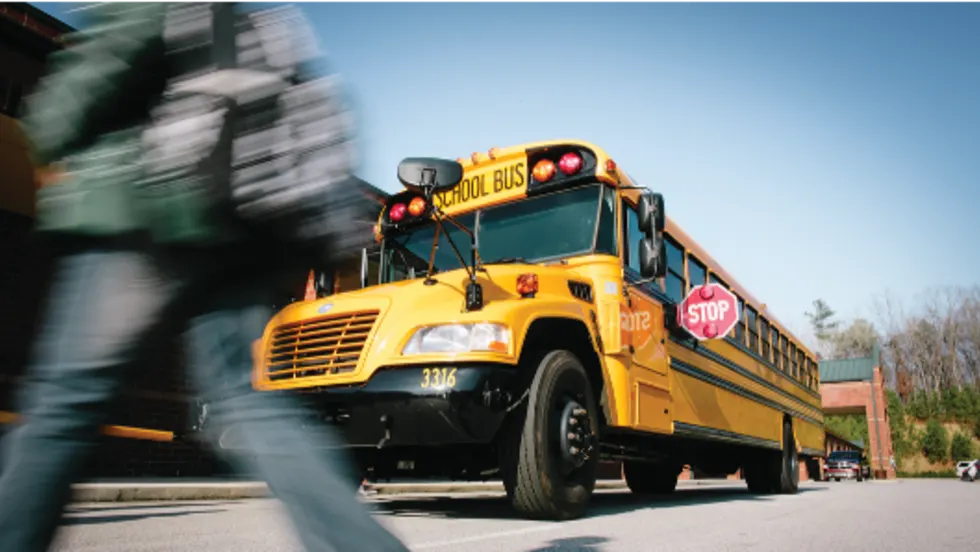
The Fuel Budget You Can Actually Predict: How Propane Autogas Keeps Money in the Classroom
Learn how propane autogas helps school districts manage fuel costs with predictable pricing, lower maintenance, and reduced emissions from former transportation director Joel Stutheit.
Read More →