




EPA Offers $2 Million in Clean Diesel Funding for Tribes
Each applicant may request up to $800,000 as part of the Diesel Emissions Reduction Act program. The EPA expects to award up to eight tribal assistance agreements.


The U.S. EPA is making $2 million in grant funding available to tribal applicants to establish clean diesel projects.
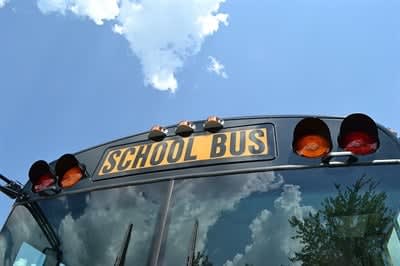
The U.S. EPA is making $2 million in grant funding available to tribal applicants to establish clean diesel projects.
WASHINGTON, D.C. — The U.S. Environmental Protection Agency (EPA) is making $2 million in grant funding available to tribal applicants to establish clean diesel projects.
Each applicant may request up to $800,000 as part of the Diesel Emissions Reduction Act (DERA) program.
“This funding will promote clean diesel projects and enable tribes to improve air quality and public health,” said EPA Administrator Scott Pruitt. “EPA will continue to target funds to tribal areas facing significant air quality issues.”
The EPA anticipates awarding up to eight tribal assistance agreements. Projects may include replacing, upgrading, or retrofitting school buses, transit buses, heavy-duty diesel trucks, energy production generators, or other diesel engines. Proposals must be received by Sept. 6.
The Tribal Clean Diesel Funding Assistance Program gives priority to projects that achieve significant reduction in diesel emissions and exposure in areas designated as having poor air quality, and in areas with a disproportionate quantity of air pollution from diesel fleets.
Since 2008, DERA grants have funded projects that have reportedly improved air quality by reducing hundreds of thousands of tons of air pollution, while saving millions of gallons of fuel.
This is the fifth tribes-specific competition for clean diesel funding. Funding for the first four tribes-specific competitions, held from 2014 to 2017, ranged from $925,000 to $1.5 million per year, according to the EPA. Projects included replacement of vehicles, marine engines, and generators used for prime power production, as well as the addition of electrified parking spaces to reduce truck idling.
For more information on the grant competition, go here.
As previously reported, the EPA recently announced a separate round of national DERA grants totaling about $40 million.
More Alternative Fuels
Bipartisan Bill Seeks to Extend Clean School Bus Program Through 2031
The proposed legislation would renew federal support for cleaner school buses as districts navigate funding uncertainty, rising fuel and infrastructure costs, and fleet replacement needs.
Read More →
Alt-Fuel Moves: Electric Bus Rollouts, Bidirectional Charging & Propane Growth
See which fleets are adding electric and propane school buses as districts and operators invest in charging infrastructure, bidirectional technology, and alternative-fuel expansion.
Read More →
Nobody Told Diesel Prices They Were Supposed to Come Down
With diesel prices surging, school bus fleets have new reason to stress-test fuel costs, consider diversification, and calculate what each route really costs to operate.
Read More →
Why Gasoline School Buses Are Making a Comeback
Gasoline is gaining ground in full-size school buses. See how today’s options stack up against diesel on cost, maintenance, emissions, performance, and more.
Read More →
EPA Opens $180M DERA Funding Round for Diesel Upgrades
The 2026 Diesel Emissions Reduction Act program seeks applications from eligible organizations to accelerate the retirement of legacy diesel vehicles.
Read More →
The Secret Life of an Electric School Bus Battery
Batteries change throughout years of daily routes, but degradation doesn’t necessarily mean the end. Here’s what operators should know about performance, safety, and second life.
Read More →
CALSTART and Forth Combine to Form Catalyst Mobility
The new name represents a renewed vision for the nonprofit focused on advancing clean, equitable, and affordable transportation solutions that move people and goods.
Read More →
Alt-Fuel Moves: New Buses, Charging Hubs & Real-World EV Testing
Propane and electric school bus deployments continue to grow as districts add new vehicles, expand charging infrastructure, and gather more real-world operating data.
Read More →
Fewer Electric School Bus Models Reshape the U.S. Market
WRI’s latest buyer’s guide points to a consolidating electric school bus market, but fewer options may reflect a maturing industry rather than fewer meaningful choices for school bus operators.
Read More →
The Fuel Budget You Can Actually Predict: How Propane Autogas Keeps Money in the Classroom
Learn how propane autogas helps school districts manage fuel costs with predictable pricing, lower maintenance, and reduced emissions from former transportation director Joel Stutheit.
Read More →