




EPA Announces 2024 Clean Heavy-Duty Vehicles Grant Program
Zero-emission Class 6 and 7 heavy-duty vehicles, including school buses, are expected to be funded under this new opportunity when it launches. School transportation leaders should start preparing now.

The funding opportunity is expected to include at least $400 million for projects in regions that haven't yet met air quality standards under the Clean Air Act.
Source: Canva
The Environmental Protection Agency this spring will kick off the $1-billion Clean Heavy-Duty Vehicles Grant Program, which will be open for replacing Class 6 and 7 vehicles, including school buses.
The program will earmark at least $400 million to fund projects in areas that haven’t yet met the National Ambient Air Quality Standards under the Clean Air Act. The funding can be used for:
Zero-emission vehicle infrastructure.
Workforce development and training.
Project implementation costs.
No launch date is set yet, but a Notice of Funding Opportunity should be released soon.
What Clean Vehicles are Eligible?
Per statute, Class 6 and 7 vehicles are eligible under the Heavy-Duty Vehicles Grant Program, including:
School buses.
Refuse haulers/dump trucks.
Transit buses.
Deliver trucks.
Utility trucks.
Bucket trucks.
Other box trucks.
Other activities approved for EPA funding:
The incremental cost of replacing a non-zero-emission Class 6/7 heavy-duty vehicle with a Class 6/7 zero-emission vehicle.
The purchase and installation of fueling infrastructure that will support vehicles replaced under this program.
Driver/mechanic training related to the maintenance and operation of new vehicles and supporting fueling infrastructure, and vehicle warranties.
Costs directly related to the implementation, management, and oversight of the project, including recipient and subrecipient personnel and benefits, contractual services, consulting on vehicle deployments, travel, supplies, and indirect costs.
How Fleets Can Prepare for the Application Process
The EPA recommends preparing for the funding opportunity ahead of time. Steps you can take include:
Starting discussions with utilities, school boards, and other potential project stakeholders.
Seeking to replace school buses? The EPA will provide a School Board Awareness Certification template. You’ll need an authorized representative from the school district, such as the superintendent, to sign the form and demonstrate that the board knows the application is in process.
Converting to battery-electric vehicles? The EPA offers a Utility Partnership template to show your fleet operation is coordinating with a utility.
Registering with grants.gov and SAM.gov.
More Alternative Fuels

CALSTART and Forth Combine to Form Catalyst Mobility
The new name represents a renewed vision for the nonprofit focused on advancing clean, equitable, and affordable transportation solutions that move people and goods.
Read More →
Alt-Fuel Moves: New Buses, Charging Hubs & Real-World EV Testing
Propane and electric school bus deployments continue to grow as districts add new vehicles, expand charging infrastructure, and gather more real-world operating data.
Read More →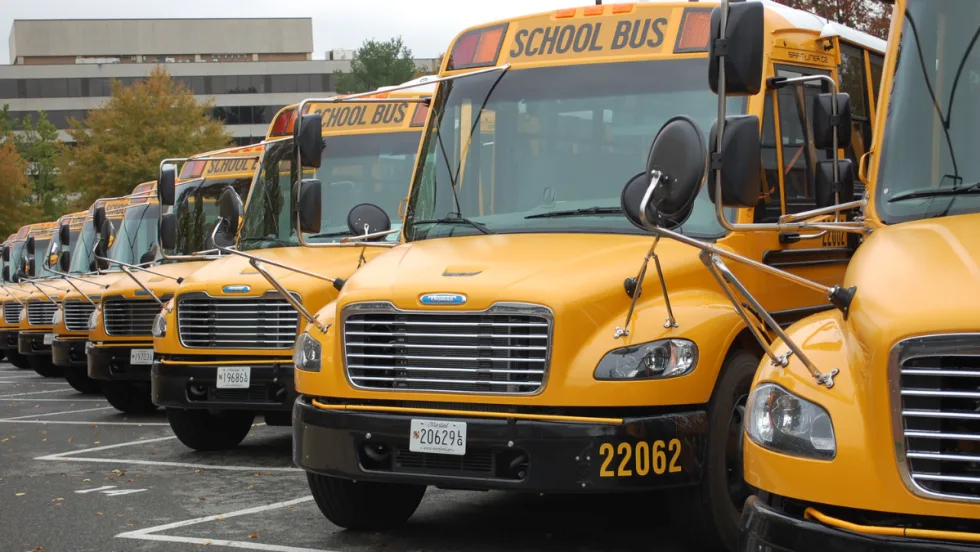
Fewer Electric School Bus Models Reshape the U.S. Market
WRI’s latest buyer’s guide points to a consolidating electric school bus market, but fewer options may reflect a maturing industry rather than fewer meaningful choices for school bus operators.
Read More →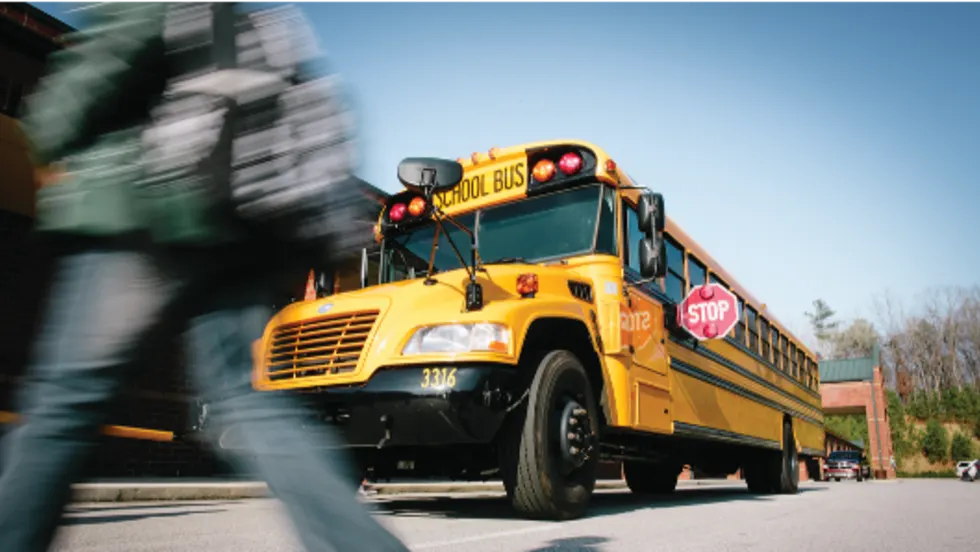
The Fuel Budget You Can Actually Predict: How Propane Autogas Keeps Money in the Classroom
Learn how propane autogas helps school districts manage fuel costs with predictable pricing, lower maintenance, and reduced emissions from former transportation director Joel Stutheit.
Read More →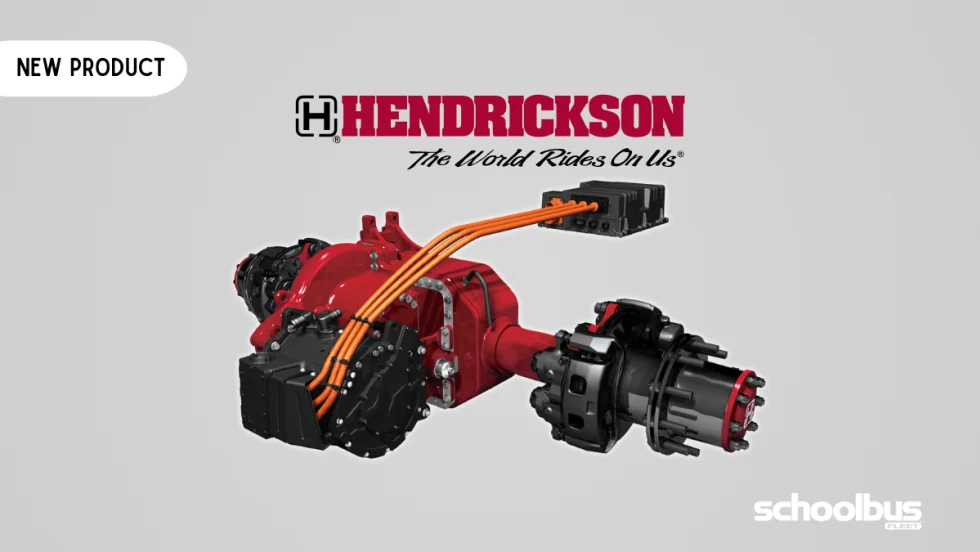
Hendrickson, Driventic Introduce New Electric Powertrain for School Buses
ELECTRAAX, the electrified, lightweight drive axle offers integrated ePowertrain efficiency and modular flexibility for Class 6–7 school bus use.
Read More →
The Mobility House Joins PowerFlex in Fleet Electrification Deal
The acquisition combines intelligent charging software, bidirectional charging expertise, and fleet electrification services to support the growing adoption of electric school buses across North America.
Read More →
Alt-Fuel Moves: Electric School Bus Investments Hit the Road
See which districts across the U.S. are putting electric school buses into service, expanding charging infrastructure, and planning the next phase of fleet electrification.
Read More →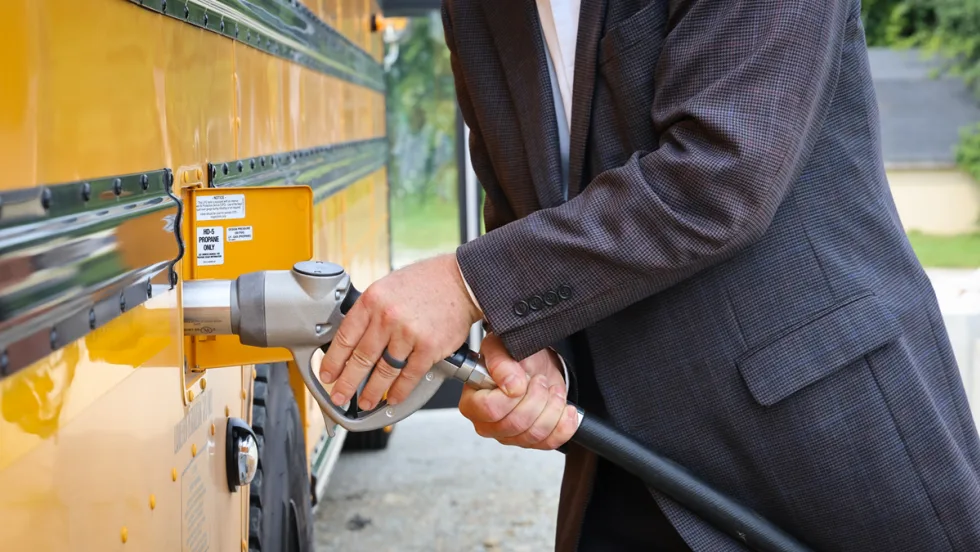
With Fuel Volatility Ahead, School Districts Turn to Propane
While diesel prices peaked above $5 this spring, districts with propane autogas-powered fleets paid under $2 per gallon, according to PERC.
Read More →
EPA Unveils Proposed Changes to 2027 Heavy-Duty Engine Rules
The federal agency has proposed changes to next year’s targets that would eliminate DEF derates, ease warranty requirements, and retain current NOx emissions standards.
Read More →
Alt-Fuel Moves: EV Charging & Infrastructure Projects Gain Momentum
The latest developments include new funding, charging infrastructure, utility investments, and fleet technologies designed to support the transition to electric school buses nationwide.
Read More →