





Report: U.S. Electric School Bus Deployment Over 1,700 and Climbing
Electric School Bus Orders May Take Eight Months to Fill
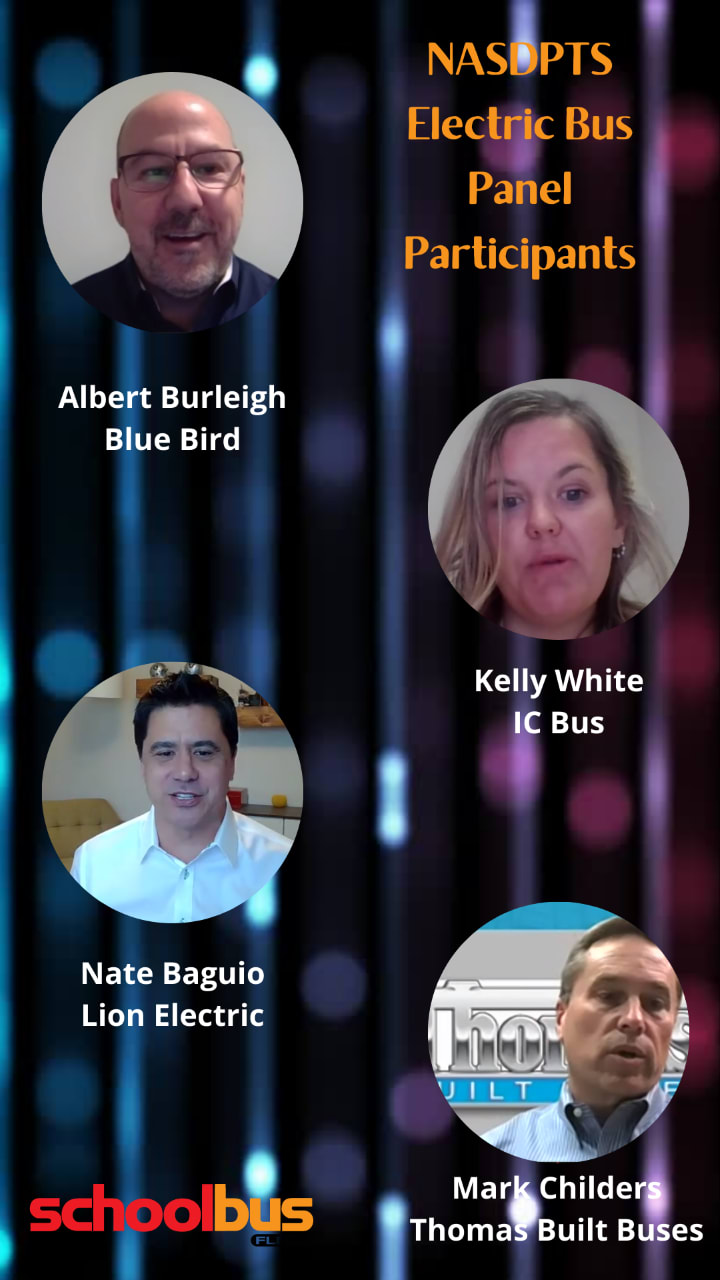
Bus manufacturer representatives in a panel discussion at the annual conference of the National Association of State Directors of Pupil Transportation Services blamed the supply chain crisis for production slowdowns.
January 21, 2022
2 min to read
School districts planning to invest in electric buses for their fleets can expect to wait six to eight months for those buses to arrive.
That’s according to panelists who participated in a discussion during the recent virtual conference of the National Association of State Directors of Pupil Transportation Services (NASDPTS).
“That’s a tough question for all of us,” said Nate Baguio, senior vice president of commercial development for Lion Electric. “We’re looking at a six-month lead time. It depends on supply chain issues. It’s been up and down. As quickly as we can get orders filled and delivered, we’re doing it. But we’re held captive by the current global supply chain crisis.”
Blue Bird reported backlog issues across fuel types during its end-of-year investor call. Those issues persist, said Albert Burleigh, the company’s executive director of electric vehicle sales. “Today would be six to eight months, varying with backlog, based on the pipeline of business,” he said.
Mark Childers, manager of powertrain and technology sales for Thomas Built Buses, gave a similar estimate: “Six to eight months is where we’re at in our backlog.”
It holds true at Navistar subsidiary IC Bus too, according to Kelly White, the company’s director of eMobility business development. “Six to eight months,” she said. “Under a year for sure.”
Panelists also discussed the forecast for cost parity between electric school buses and their fossil fuel-burning counterparts, especially diesel.
“It’s a crystal ball question everyone is asking in the marketplace,” Childers said. “We are all trying to drive that cost down through the supply chain side.” He predicted that electric buses would be as affordable as diesel within five to 10 years.
“The school bus parity is coming faster than most people anticipated, faster than I anticipated two years ago,” said Baguio. He expected parity within two to three years.
White considered the supply chain the biggest challenge to reaching cost parity. “The more you build, the more the prices come down,” she said. “Battery tech will change and improve, affecting price overall.”
Burleigh agreed, but also noted another factor likely to affect the comparative cost between diesel and electric buses: new federal Environmental Protection Agency regulations governing diesel vehicles that are liable to drive their cost upward as electric bus prices decline.
Pat Schofill, Georgia Department of Education director of pupil transportation and president-elect of NASDPTS, urged members to accept the age of the electric school bus.
“This is where we’re going,” he said. “We can see it on the horizon. As leaders in the pupil transportation industry, we need to embrace it and know that it’s part of the world that’s coming. We’re excited about that.”
More Alternative Fuels

CALSTART and Forth Combine to Form Catalyst Mobility
The new name represents a renewed vision for the nonprofit focused on advancing clean, equitable, and affordable transportation solutions that move people and goods.
Read More →
Alt-Fuel Moves: New Buses, Charging Hubs & Real-World EV Testing
Propane and electric school bus deployments continue to grow as districts add new vehicles, expand charging infrastructure, and gather more real-world operating data.
Read More →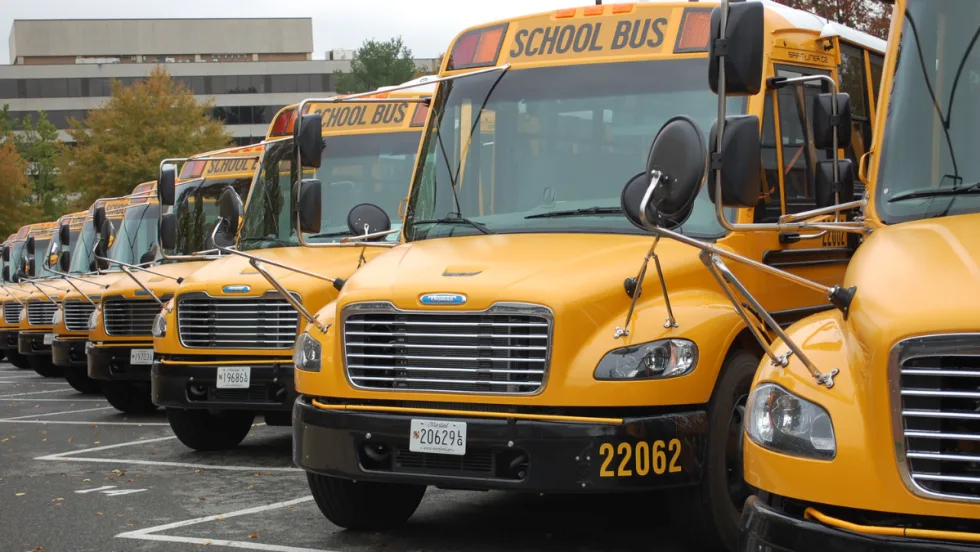
Fewer Electric School Bus Models Reshape the U.S. Market
WRI’s latest buyer’s guide points to a consolidating electric school bus market, but fewer options may reflect a maturing industry rather than fewer meaningful choices for school bus operators.
Read More →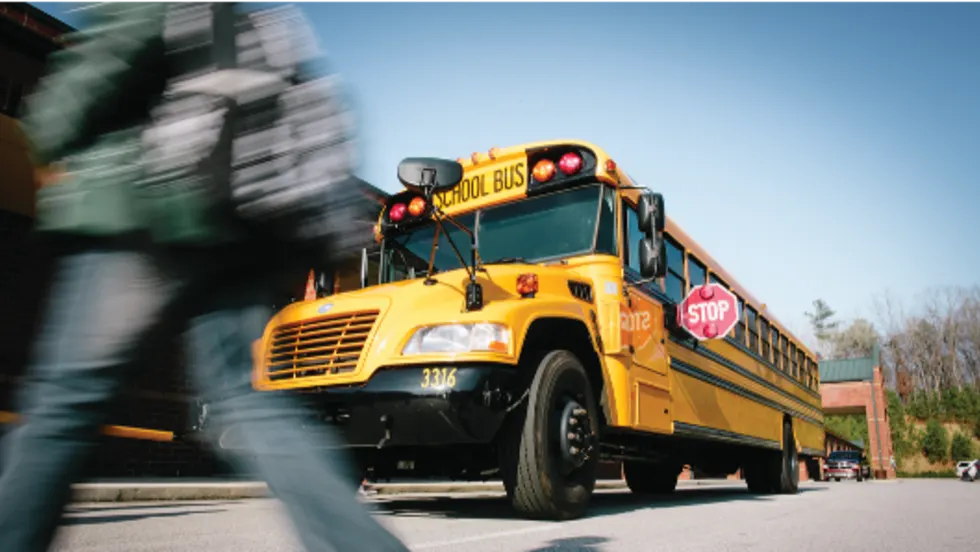
The Fuel Budget You Can Actually Predict: How Propane Autogas Keeps Money in the Classroom
Learn how propane autogas helps school districts manage fuel costs with predictable pricing, lower maintenance, and reduced emissions from former transportation director Joel Stutheit.
Read More →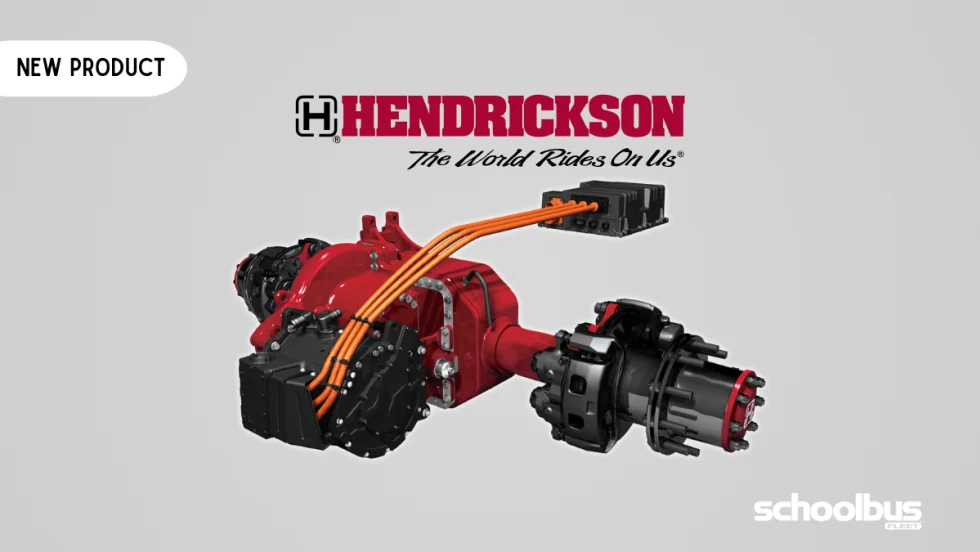
Hendrickson, Driventic Introduce New Electric Powertrain for School Buses
ELECTRAAX, the electrified, lightweight drive axle offers integrated ePowertrain efficiency and modular flexibility for Class 6–7 school bus use.
Read More →
The Mobility House Joins PowerFlex in Fleet Electrification Deal
The acquisition combines intelligent charging software, bidirectional charging expertise, and fleet electrification services to support the growing adoption of electric school buses across North America.
Read More →
Alt-Fuel Moves: Electric School Bus Investments Hit the Road
See which districts across the U.S. are putting electric school buses into service, expanding charging infrastructure, and planning the next phase of fleet electrification.
Read More →
With Fuel Volatility Ahead, School Districts Turn to Propane
While diesel prices peaked above $5 this spring, districts with propane autogas-powered fleets paid under $2 per gallon, according to PERC.
Read More →
EPA Unveils Proposed Changes to 2027 Heavy-Duty Engine Rules
The federal agency has proposed changes to next year’s targets that would eliminate DEF derates, ease warranty requirements, and retain current NOx emissions standards.
Read More →
Alt-Fuel Moves: EV Charging & Infrastructure Projects Gain Momentum
The latest developments include new funding, charging infrastructure, utility investments, and fleet technologies designed to support the transition to electric school buses nationwide.
Read More →