




Efforts to block FMCSA’s insurance increase continue
A provision to stop the federal agency from raising insurance minimums for bus operators has survived several challenges in the House.

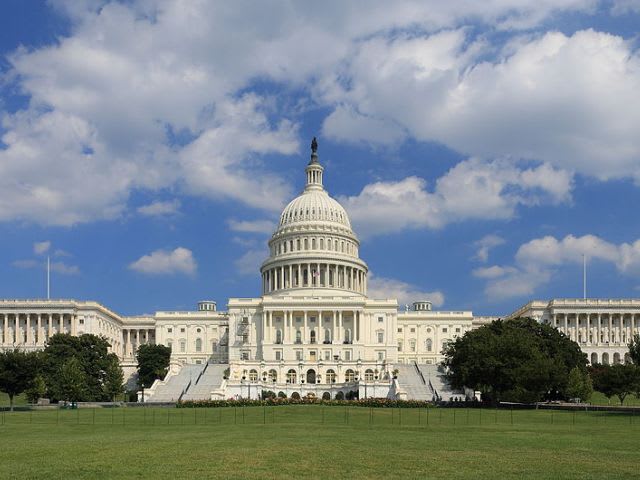
The U.S. House voted in support of a provision to stop FMCSA from raising insurance minimums for bus operators.
WASHINGTON, D.C. — A provision to stop the Federal Motor Carrier Safety Administration (FMCSA) from raising insurance minimums for bus operators has survived several challenges in the House.
The provision is Section 134 of the fiscal year 2016 appropriations bill for Transportation, Housing and Urban Development (THUD).
An amendment from Rep. Matt Cartwright sought to strike the insurance protection provision from the THUD bill. On Thursday, the House defeated that amendment by a vote of 247-176, keeping the provision intact. The provision has also survived strike amendments in the House Appropriations Committee.
Members of the National School Transportation Association (NSTA) have been contacting their congressional representatives to ask that they support the insurance protection provision.
The school bus contractors association said that the Section 134 provision has been included and defended by House Appropriations Committee Chairman Hal Rogers and THUD Subcommittee Chairman Mario Diaz-Balart.
NSTA President Tim Flood said that the association is “grateful to the leadership shown by Chairman Rogers, Subcommittee Chairman Diaz-Balart and the 247 members of the House of Representatives who supported this provision today on the House floor.”
Flood added that NSTA will continue to support the bill to final passage in the House. Then the association will work to have the same insurance protection provision included in the Senate.
Currently, school bus contractors are federally required to have $1.5 million in insurance on each vehicle with 15 passengers or fewer and $5 million on each vehicle with more than 15 passengers for trips other than home-to-school service.
In November, FMCSA gave notice of a proposed rulemaking that explores an increase in insurance requirements for passenger motor carriers. The agency has reportedly suggested that the minimums should be raised to upwards of $21 million for a large school bus.
“School buses are the safest form of transportation available, and any increase in federal minimum insurance requirements without data showing such an increase to be necessary would be harmful to all children who rely on school bus transportation and to our industry," NSTA Executive Director Ronna Weber said.
NSTA is also supporting a separate effort in the House, Rep. Scott Perry’s H.R. 2077, that would block FMCSA from raising insurance minimums on the school transportation and motorcoach industries.
More Safety
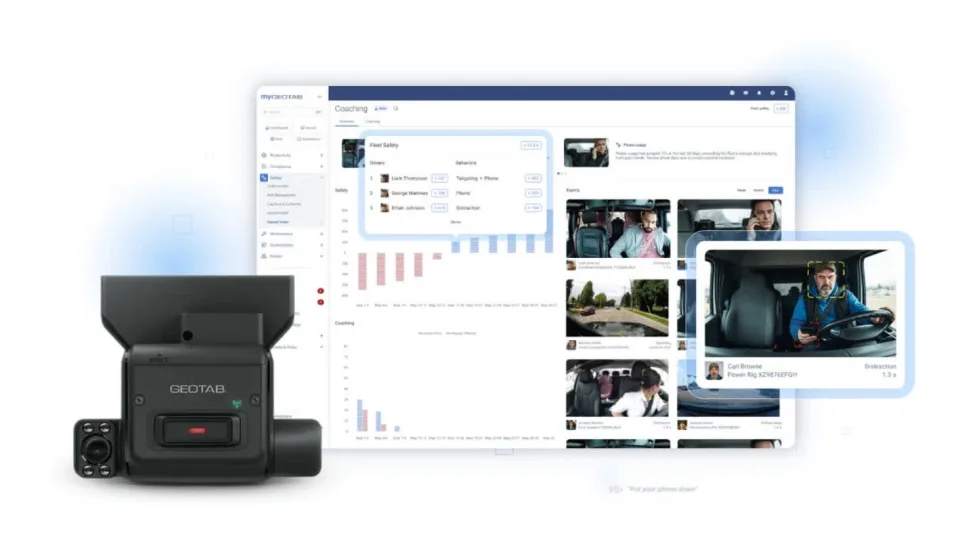
Geotab Expands Fleet Safety Tools With Video Coaching, Risk Insights
New safety and video capabilities aim to help fleet managers assess risk, support drivers, and take targeted action through video coaching, red-light violation detection, and more.
Read More →
How to Build a Better School Bus Driver Training Program
Is it time to strengthen your driver training? Here’s how to pick the right talent and improve recruitment, retention, and safety. This video is brought to you by IC Bus.
Read More →
Recent School Bus Accidents Leave 2 Dead, 2 Injured
Four school bus crashes in Florida, Illinois, and Georgia highlight risks in transportation lots, at bus stops, and during student loading and unloading.
Read More →

When Every Second Matters, Clarity Keeps Routes Moving
From routine delays to urgent incidents, strong communication practices help drivers, dispatchers, schools, and families respond with confidence.
Read More →
What Happens When a School Bus Catches Fire — and What Can Help
School bus fires are rare but can be devastating. Learn how advances in fire suppression and asset protection help fleets detect fires earlier, reduce damage, and improve safety.
Read More →
Geotab Launches Tool to Help Fleets Investigate Road Incidents
Geotab Investigations combines telematics data, video, documents, and other evidence to help fleets reconstruct incidents, resolve claims, and determine what happened.
Read More →
Texas Sixth Grader Wins 2026 National School Bus Safety Poster Contest
Sai Darshana Yekolu of Moseley Middle School in Prosper, Texas, was named the newest winner for her artwork, bringing the theme of “Safe Rides, Everyday Heroes” to life.
Read More →
Doing More With Less: How Transportation Directors Can Prioritize Safety Amid Budget Uncertainty
With diesel prices soaring and nearly one-third of transportation directors expecting budget cuts, maintaining student safety has never been more challenging. Download this guide to learn how leading districts are prioritizing risk, funding critical safety technology, and building stronger budget cases with data.
Read More →
Walton County Schools Adds Gatekeeper Stop-Arm Enforcement System
The Florida district will deploy Gatekeeper’s updated Student Protector technology, which now incorporates AI to improve video evidence.
Read More →
How To Build a More Secure School Bus Yard During and After Hours
As thefts and overnight security threats continue, school transportation leaders are combining stronger operational practices with AI-enabled surveillance to better protect buses, facilities, and staff.
Read More →