




Bill would leave passenger carrier insurance authority with Congress
The legislation, which NSTA supports, would prevent the U.S. secretary of transportation from raising insurance minimums on the school transportation and motorcoach industries.

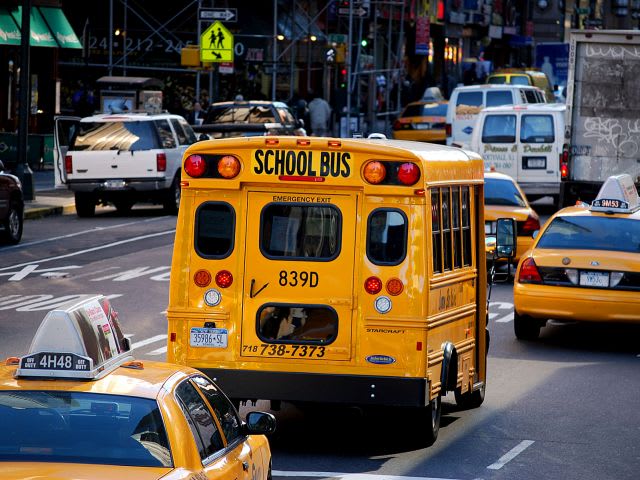
New legislation would prevent the U.S. secretary of transportation from raising insurance minimums on the school transportation and motorcoach industries.
WASHINGTON, D.C. — A new bill in Congress would prevent the U.S. secretary of transportation from unilaterally raising insurance minimums on the school transportation and motorcoach industries.
The bill would leave regulatory authority on minimum insurance for passenger carriers with Congress, which has historically set those limits.
U.S. Rep. Scott Perry of Pennsylvania introduced the legislation, H.R. 2077, which is supported by the National School Transportation Association (NSTA).
The bill would also require the Department of Transportation to conduct a comprehensive study on passenger carrier insurance rates. That study would include consultation with the school transportation industry and passenger insurance carriers.
Currently, school bus contractors are federally required to have $1.5 million in insurance on each vehicle with 15 passengers or fewer and $5 million on each vehicle with more than 15 passengers for trips other than home-to-school service.
In November, the Federal Motor Carrier Safety Administration (which is within the Department of Transportation) gave notice of a proposed rulemaking that explores an increase in insurance requirements for passenger motor carriers. The agency has reportedly suggested that the minimums should be raised to upwards of $25 million for large vehicles.
NSTA President Tim Flood said that Perry’s bill “would halt the pending ill-advised rulemaking proceeding by the Federal Motor Carrier Safety Administration to increase minimum financial responsibility requirements on private school bus operators without any analysis indicating current rates are inadequate."
According to NSTA, one of the key distinctions made in H.R. 2077 is that the federal insurance minimums of trucks and school buses should be handled differently.
“While school buses and trucks may seem similar due to their size, there are several very fundamental differences between the two, and this bill recognizes those differences,” NSTA Executive Director Ronna Weber said.
“The motorcoach and school transportation industries have an exceptionally high safety record," Perry added. “If we unnecessarily raise minimum insurance rates, we'll only force out of business companies with an extremely safe track record; this is not the proper role of the federal government. We shouldn't look to penalize companies that work hard and play by the rules.”
More Safety
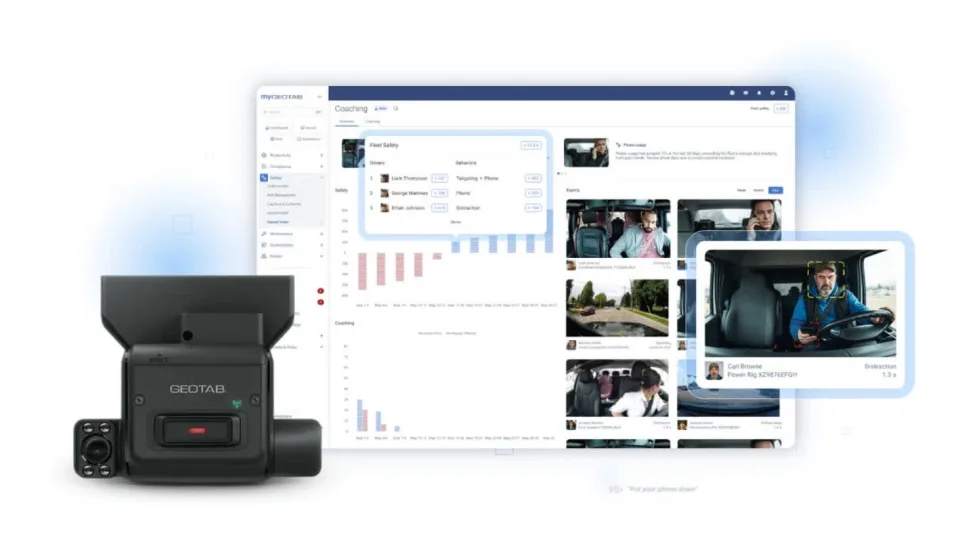
Geotab Expands Fleet Safety Tools With Video Coaching, Risk Insights
New safety and video capabilities aim to help fleet managers assess risk, support drivers, and take targeted action through video coaching, red-light violation detection, and more.
Read More →
How to Build a Better School Bus Driver Training Program
Is it time to strengthen your driver training? Here’s how to pick the right talent and improve recruitment, retention, and safety. This video is brought to you by IC Bus.
Read More →
Recent School Bus Accidents Leave 2 Dead, 2 Injured
Four school bus crashes in Florida, Illinois, and Georgia highlight risks in transportation lots, at bus stops, and during student loading and unloading.
Read More →

When Every Second Matters, Clarity Keeps Routes Moving
From routine delays to urgent incidents, strong communication practices help drivers, dispatchers, schools, and families respond with confidence.
Read More →
What Happens When a School Bus Catches Fire — and What Can Help
School bus fires are rare but can be devastating. Learn how advances in fire suppression and asset protection help fleets detect fires earlier, reduce damage, and improve safety.
Read More →
Geotab Launches Tool to Help Fleets Investigate Road Incidents
Geotab Investigations combines telematics data, video, documents, and other evidence to help fleets reconstruct incidents, resolve claims, and determine what happened.
Read More →
Texas Sixth Grader Wins 2026 National School Bus Safety Poster Contest
Sai Darshana Yekolu of Moseley Middle School in Prosper, Texas, was named the newest winner for her artwork, bringing the theme of “Safe Rides, Everyday Heroes” to life.
Read More →
Doing More With Less: How Transportation Directors Can Prioritize Safety Amid Budget Uncertainty
With diesel prices soaring and nearly one-third of transportation directors expecting budget cuts, maintaining student safety has never been more challenging. Download this guide to learn how leading districts are prioritizing risk, funding critical safety technology, and building stronger budget cases with data.
Read More →
Walton County Schools Adds Gatekeeper Stop-Arm Enforcement System
The Florida district will deploy Gatekeeper’s updated Student Protector technology, which now incorporates AI to improve video evidence.
Read More →
How To Build a More Secure School Bus Yard During and After Hours
As thefts and overnight security threats continue, school transportation leaders are combining stronger operational practices with AI-enabled surveillance to better protect buses, facilities, and staff.
Read More →