




DOE Initiatives Aim to Accelerate Lithium-Battery, Clean-Hydrogen Technologies
The U.S. Department of Energy announced initiatives designed to address potential challenges to zero-emissions vehicles – battery materials and technologies, and affordable clean hydrogen.

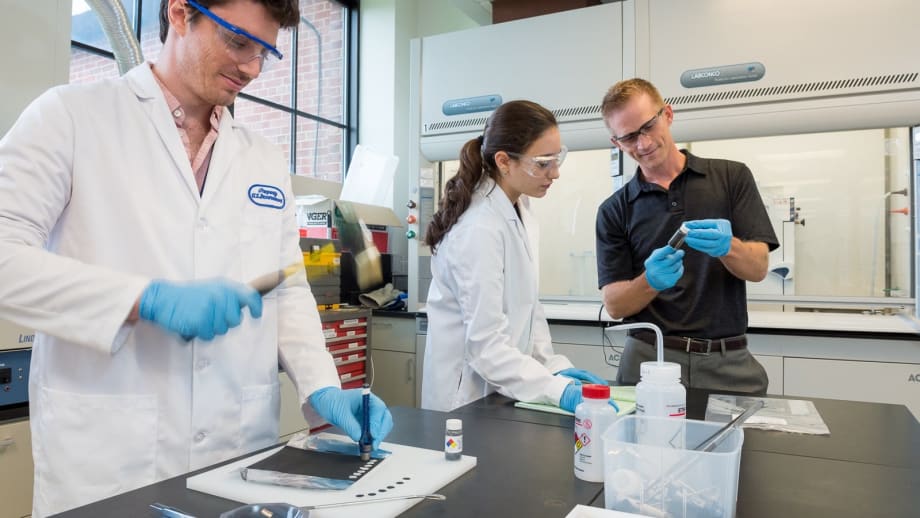
The DOE wants to accelerate research and development of U.S. battery materials and technologies.
Photo: Argonne National Lab
The U.S. Department of Energy this week announced initiatives designed to address potential challenges to zero-emissions vehicles – battery materials and technologies, and affordable clean hydrogen.
Bringing Battery Research and Production to the U.S.
The department announced immediate policy actions designed to scale up a domestic manufacturing supply chain for batteries, based on recommendations from the Biden administration’s 100-day review of advanced batteries.
Advanced, lithium-based batteries will be vital for electric vehicles and stationary grid storage, explained the DOE. Today, the U.S. relies heavily on importing advanced battery components from abroad, exposing the nation to supply chain vulnerabilities that threaten to disrupt the availability and cost of these technologies. The battery supply chain assessment found that the U.S. has less than a 10% global market share for manufacturing capacity across all major battery components and cell fabrication.
“We’re going to need a significant increase in battery production to supercharge America’s clean energy future, which means we urgently need to build up our capacity to research, develop, manufacture, and market batteries right here at home,” said Secretary of Energy Jennifer M. Granholm in a DOE news release. “Strengthening our domestic supply chain will accelerate our efforts to decarbonize the economy—helping to power electric vehicles and boost grid storage and resiliency.”
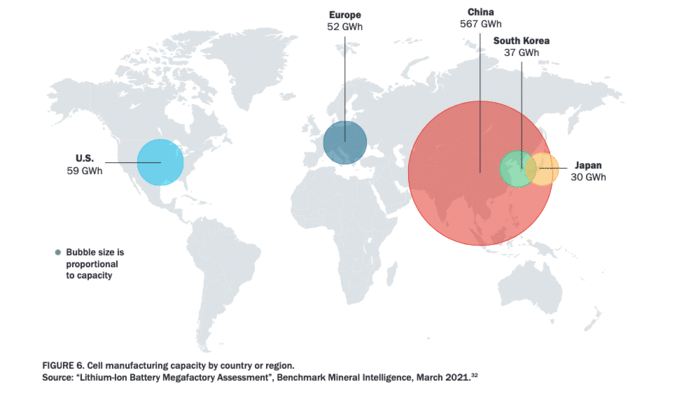
The U.S. has less than a 10% global market share for manufacturing capacity across all major battery components and cell fabrication.
Source: Federal Consortium for Advanced Batteries
The new DOE actions announced include:
A new policy for federally funded grants, cooperative agreements, and research and development contracts will require that all innovations—including those relating to advanced batteries—developed with taxpayer dollars through DOE Science and Energy Programs be substantially manufactured in the United States.
A national blueprint to develop a domestic advanced battery supply chain between now and 2030, released by the Federal Consortium for Advanced Batteries. The National Blueprint for Lithium Batteries 2021-2030 lays out five critical goals and key actions to guide federal agency collaboration.
Providing financing to the advanced battery supply chain for electric vehicles. The DOE’s Loan Programs Office published guidance and released a factsheet to clarify the uses of the Advanced Technology Vehicles Manufacturing Loan Program, which can make loans to manufacturers of advanced technology vehicle battery cells and packs for re-equipping, expanding or establishing such manufacturing facilities in the United States.
Procuring stationary battery storage in support of the Biden administration’s goal for 100% clean electricity by 2035. The DOE’s Federal Energy Management Program is kicking off a federal government-wide project to deploy battery storage at federal sites.
Clean Hydrogen 'Earthshot'
The DOE’s new Energy Earthshots Initiative is designed to accelerate breakthroughs of more abundant, affordable, and reliable clean energy solutions within the decade. The first Energy Earthshot—Hydrogen Shot—seeks to reduce the cost of clean hydrogen by 80% to $1 per kilogram in one decade.
Industries are beginning to implement clean hydrogen to reduce emissions, but there are still many hurdles to deploying it at scale, noted the DOE in its announcement. Currently, hydrogen from renewable energy costs about $5 per kilogram. The department’s goal is to unlock a five-fold increase in demand by increasing clean hydrogen production from sources such as renewables, nuclear, and thermal conversion.
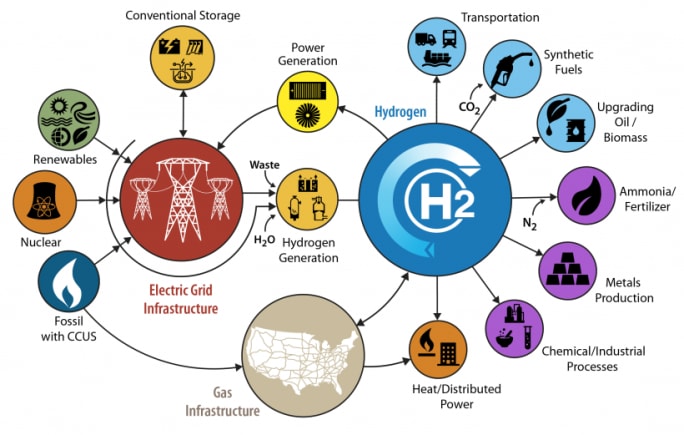
The DOE's H2@Scale H2@Scale is a concept that explores the potential for wide-scale hydrogen production and use in the United States.
Source: Department of Energy
The Hydrogen Shot establishes a framework and foundation for clean hydrogen deployment in the American Jobs Plan, which includes support for demonstration projects.
As part of the launch, DOE’s Hydrogen Program issued a Request for Information on viable hydrogen demonstrations.
“The Energy Earthshots are an all-hands-on-deck call for innovation, collaboration and acceleration of our clean energy economy by tackling the toughest remaining barriers to quickly deploy emerging clean energy technologies at scale,” said Secretary Granholm. “First up: Hydrogen Shot, which sets an ambitious yet achievable cost target to accelerate innovations and spur demand of clean hydrogen. Clean hydrogen is a game changer. It will help decarbonize high-polluting heavy-duty and industrial sectors, while delivering good-paying clean energy jobs and realizing a net-zero economy by 2050.”
Originally posted on Heavy Duty Trucking
More Alternative Fuels

CALSTART and Forth Combine to Form Catalyst Mobility
The new name represents a renewed vision for the nonprofit focused on advancing clean, equitable, and affordable transportation solutions that move people and goods.
Read More →
Alt-Fuel Moves: New Buses, Charging Hubs & Real-World EV Testing
Propane and electric school bus deployments continue to grow as districts add new vehicles, expand charging infrastructure, and gather more real-world operating data.
Read More →
Fewer Electric School Bus Models Reshape the U.S. Market
WRI’s latest buyer’s guide points to a consolidating electric school bus market, but fewer options may reflect a maturing industry rather than fewer meaningful choices for school bus operators.
Read More →
The Fuel Budget You Can Actually Predict: How Propane Autogas Keeps Money in the Classroom
Learn how propane autogas helps school districts manage fuel costs with predictable pricing, lower maintenance, and reduced emissions from former transportation director Joel Stutheit.
Read More →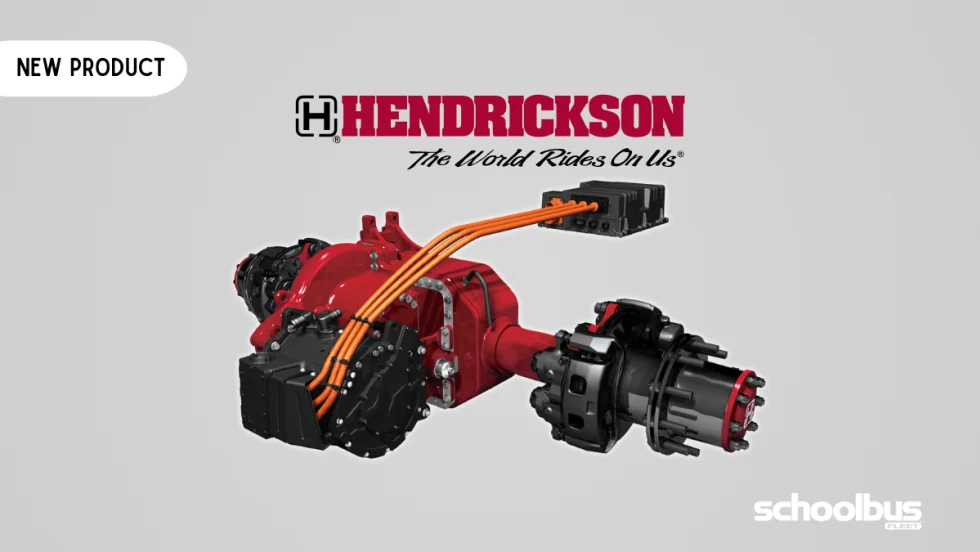
Hendrickson, Driventic Introduce New Electric Powertrain for School Buses
ELECTRAAX, the electrified, lightweight drive axle offers integrated ePowertrain efficiency and modular flexibility for Class 6–7 school bus use.
Read More →
The Mobility House Joins PowerFlex in Fleet Electrification Deal
The acquisition combines intelligent charging software, bidirectional charging expertise, and fleet electrification services to support the growing adoption of electric school buses across North America.
Read More →
Alt-Fuel Moves: Electric School Bus Investments Hit the Road
See which districts across the U.S. are putting electric school buses into service, expanding charging infrastructure, and planning the next phase of fleet electrification.
Read More →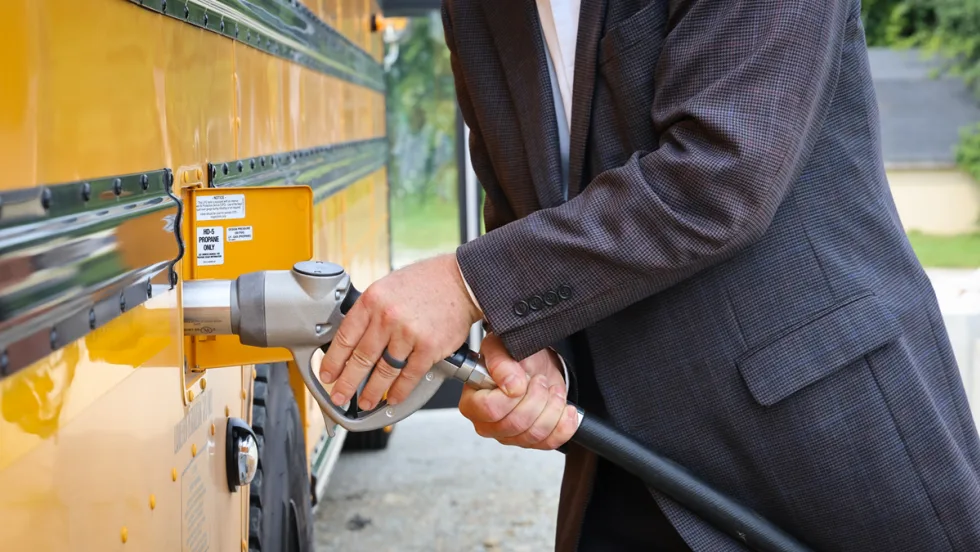
With Fuel Volatility Ahead, School Districts Turn to Propane
While diesel prices peaked above $5 this spring, districts with propane autogas-powered fleets paid under $2 per gallon, according to PERC.
Read More →
EPA Unveils Proposed Changes to 2027 Heavy-Duty Engine Rules
The federal agency has proposed changes to next year’s targets that would eliminate DEF derates, ease warranty requirements, and retain current NOx emissions standards.
Read More →
Alt-Fuel Moves: EV Charging & Infrastructure Projects Gain Momentum
The latest developments include new funding, charging infrastructure, utility investments, and fleet technologies designed to support the transition to electric school buses nationwide.
Read More →