




Coalition calls for diesel program funding
School transportation providers are among those writing to Congress to keep the Diesel Emissions Reduction Act program running. They urge legislators to allocate $50 million for fiscal year 2012.

More than 400 entities across the nation, including school transportation providers and associations, are urging Congress to provide funding for the Diesel Emissions Reduction Act (DERA) program.
The broad coalition — also including other transportation industry organizations and environmental and public health groups — sent letters to key committee members in the Senate and House asking for continued support of DERA, which was recently reauthorized but currently has no funding allocated for 2012.
"There are 20 million existing diesel engines in use today, and immense opportunities remain to reduce diesel emissions through the DERA program," the coalition wrote.
The organizations called for $50 million for the program for fiscal year 2012, the same level as in 2008. Also requested is support for President Obama's budget request of $305.5 million for state and local air quality grants for 2012.
The EPA has estimated that for every dollar spent on the DERA program, an average of more than $20 in health benefits is generated.
"Throughout DERA’s history, it has enjoyed strong bipartisan support, most recently demonstrated this past December when Congress took the extraordinary step of reauthorizing this important program during the lame duck session," the coalition wrote. "Without additional funding, the DERA program, and its environmental, public health, and economic and jobs benefits, will be in jeopardy."
More Alternative Fuels

CALSTART and Forth Combine to Form Catalyst Mobility
The new name represents a renewed vision for the nonprofit focused on advancing clean, equitable, and affordable transportation solutions that move people and goods.
Read More →
Alt-Fuel Moves: New Buses, Charging Hubs & Real-World EV Testing
Propane and electric school bus deployments continue to grow as districts add new vehicles, expand charging infrastructure, and gather more real-world operating data.
Read More →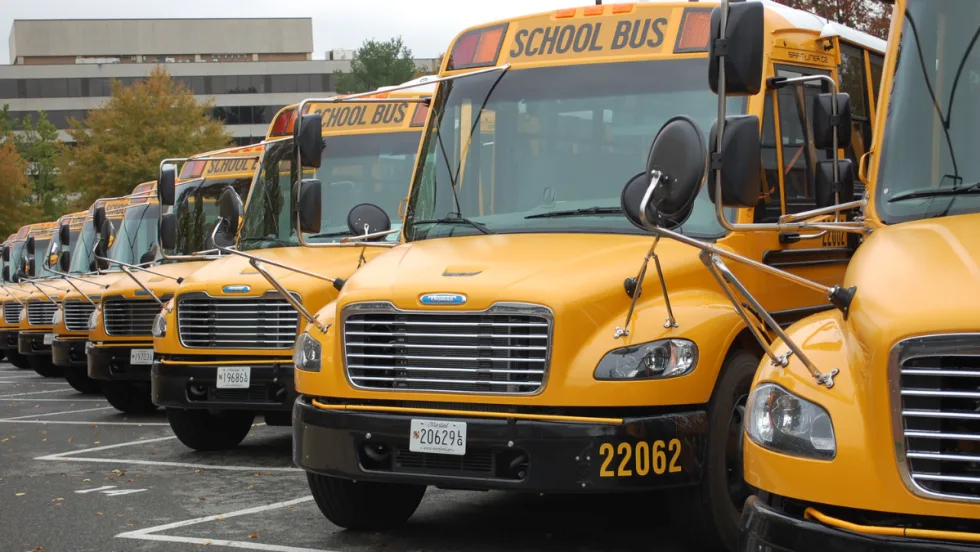
Fewer Electric School Bus Models Reshape the U.S. Market
WRI’s latest buyer’s guide points to a consolidating electric school bus market, but fewer options may reflect a maturing industry rather than fewer meaningful choices for school bus operators.
Read More →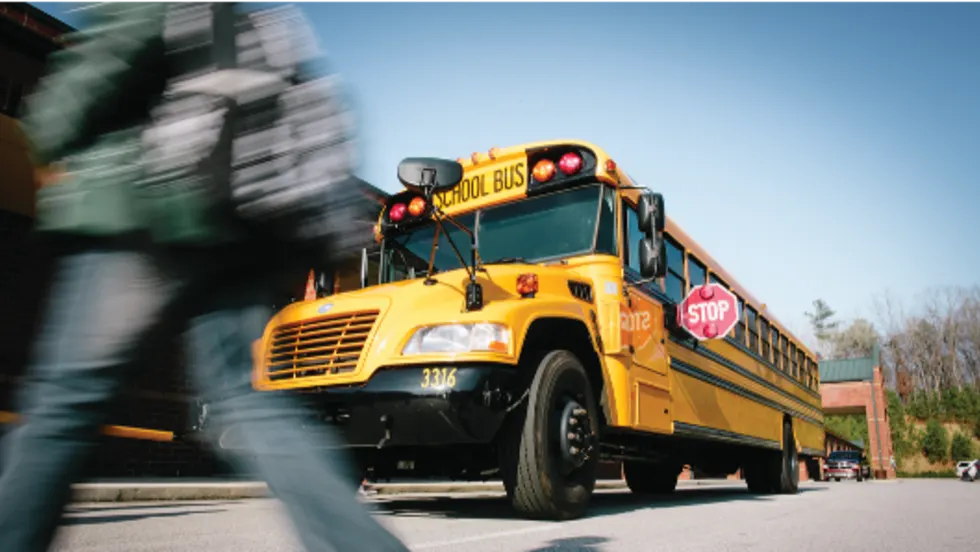
The Fuel Budget You Can Actually Predict: How Propane Autogas Keeps Money in the Classroom
Learn how propane autogas helps school districts manage fuel costs with predictable pricing, lower maintenance, and reduced emissions from former transportation director Joel Stutheit.
Read More →
Hendrickson, Driventic Introduce New Electric Powertrain for School Buses
ELECTRAAX, the electrified, lightweight drive axle offers integrated ePowertrain efficiency and modular flexibility for Class 6–7 school bus use.
Read More →
The Mobility House Joins PowerFlex in Fleet Electrification Deal
The acquisition combines intelligent charging software, bidirectional charging expertise, and fleet electrification services to support the growing adoption of electric school buses across North America.
Read More →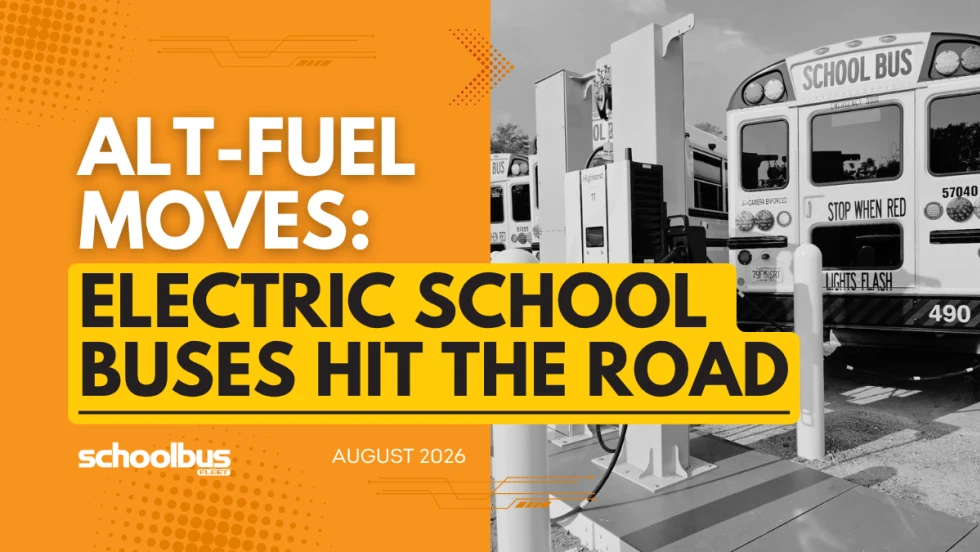
Alt-Fuel Moves: Electric School Bus Investments Hit the Road
See which districts across the U.S. are putting electric school buses into service, expanding charging infrastructure, and planning the next phase of fleet electrification.
Read More →
With Fuel Volatility Ahead, School Districts Turn to Propane
While diesel prices peaked above $5 this spring, districts with propane autogas-powered fleets paid under $2 per gallon, according to PERC.
Read More →
EPA Unveils Proposed Changes to 2027 Heavy-Duty Engine Rules
The federal agency has proposed changes to next year’s targets that would eliminate DEF derates, ease warranty requirements, and retain current NOx emissions standards.
Read More →
Alt-Fuel Moves: EV Charging & Infrastructure Projects Gain Momentum
The latest developments include new funding, charging infrastructure, utility investments, and fleet technologies designed to support the transition to electric school buses nationwide.
Read More →