




California Agency Awards Nearly $70M For Electric School Buses
The new buses are part of the California Energy Commission's $94 million school bus replacement program to help pupil transportation providers replace more than 200 diesel school buses throughout the state.

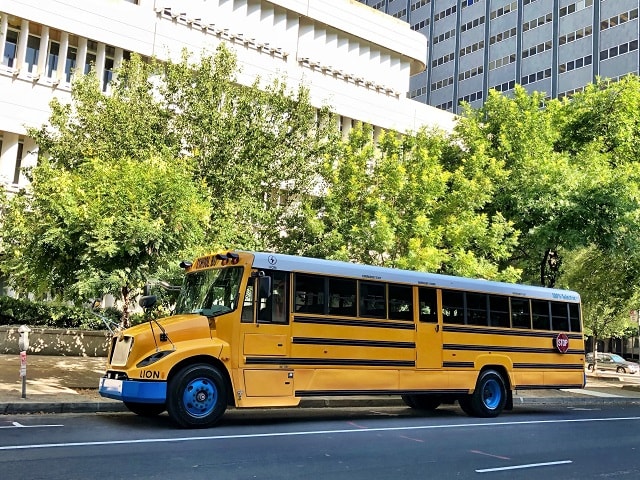
The California Energy Commission (CEC) approved on Monday nearly $70 million in funding to replace more than 200 of the state’s diesel school buses with electric buses. Shown here is The Lion Electric Co.'s Type C school bus. Photo courtesy The Lion Electric Co.
The California Energy Commission (CEC) approved on Monday nearly $70 million in funding to replace more than 200 of the state’s diesel school buses with electric buses. Shown here is The Lion Electric Co.'s Type C school bus. Photo courtesy The Lion Electric Co.
SACRAMENTO, Calif. — The California Energy Commission (CEC) approved on Monday nearly $70 million in funding to replace more than 200 of the state’s diesel school buses with electric buses.
The new all-electric buses are part of the agency’s $94 million school bus replacement program to help public school districts, county offices of education, and joint power authorities transition from diesel school buses to zero- or low- emissions vehicles, according to a news release from the CEC. So far, the agency has awarded a total of $89.8 million of the program’s funds to schools in 26 California counties.
"School buses are by far the safest way for kids to get to school," said Patty Monahan, CEC commissioner. "But diesel-powered buses are not safe for kids’ developing lungs, which are particularly vulnerable to harmful air pollution. Making the transition to electric school buses that don’t emit pollution provides children and their communities with cleaner air and numerous public health benefits. The Energy Commission is proud to support this transition to protect the health of children throughout the state, something that will help all Californians breathe easier.”
As part of the program, the CEC selected The Lion Electric Co.'s Type A (without wheelchair lift), Type C, and Type D electric bus models, according to a news release from the school bus manufacturer. The funding for these models range from $269,488 for Lion's Type A bus (without wheelchair lift) to $337,469 for the manufacturer's Type D bus (with a wheelchair lift), according to the CEC grant agreement.
Additionally, the CEC selected Blue Bird’s Type A electric model under a zero-dollar agreement with transportation dealer and distributor A-Z Bus Sales Inc. Under the agreement, the school bus manufacturer’s Type A Micro Bird electric model will qualify for over $291,000 in grant funding, according to a news release from Blue Bird.
The CEC also voted to approve grants to school districts that applied for funding under its companion solicitation. According to Blue Bird, the selected school districts will be able to use grant funds to purchase the manufacturer's Type A Micro Bird, Type C Vision, and Type D Rear Engine electric school buses. The Type C Vision and Type D Rear Engine school buses (with and without wheelchair lifts) will qualify for up to $337,000 in grant funding depending on bus type chosen, according to Blue Bird.
Part of the funding for the electric buses comes from the California Clean Energy Jobs Act, also known as Proposition 39.
The CEC said that approximately 90% of the electric buses funded by the replacement program will be operating in disadvantaged communities — and will reportedly eliminate nearly 57,000 pounds of nitrogen oxides (NOx) and nearly 550 pounds of fine particulate matter (PM 2.5) emissions annually.
In addition to improving air quality, the agency estimates that school districts will save nearly $120,000 in fuel and maintenance costs per bus over the next 20 years.
The CEC’s Alternative and Renewable Fuel and Vehicle Technology Program will provide the charging infrastructure for the buses, and will also fund workforce training and development opportunities for drivers and maintenance technicians. The program will also supply nearly $2 million in funding to ChargePoint Inc., for equipment and tooling used to manufacture electric vehicle fast-charging infrastructure.
In related news, two California school districts announced plans to receive new electric school buses.
The Mojave Desert Air Quality Management District (MDAQMD) recently awarded a $1.3 million grant to Apple Valley Unified School District and Lucerne Valley Unified School District for a total of three Blue Bird all-electric buses, according to a news release from the MDAQMD. The grant is part of state incentives created through Assembly Bill 617, designed to identify the areas of most need for pollution reduction.
Brad Poiriez, the executive director for the MDAQMD, said that the buses will be delivered — two to Apple Valley and one to Lucerne Valley — within the next four to five months.
More Alternative Fuels

CALSTART and Forth Combine to Form Catalyst Mobility
The new name represents a renewed vision for the nonprofit focused on advancing clean, equitable, and affordable transportation solutions that move people and goods.
Read More →
Alt-Fuel Moves: New Buses, Charging Hubs & Real-World EV Testing
Propane and electric school bus deployments continue to grow as districts add new vehicles, expand charging infrastructure, and gather more real-world operating data.
Read More →
Fewer Electric School Bus Models Reshape the U.S. Market
WRI’s latest buyer’s guide points to a consolidating electric school bus market, but fewer options may reflect a maturing industry rather than fewer meaningful choices for school bus operators.
Read More →
The Fuel Budget You Can Actually Predict: How Propane Autogas Keeps Money in the Classroom
Learn how propane autogas helps school districts manage fuel costs with predictable pricing, lower maintenance, and reduced emissions from former transportation director Joel Stutheit.
Read More →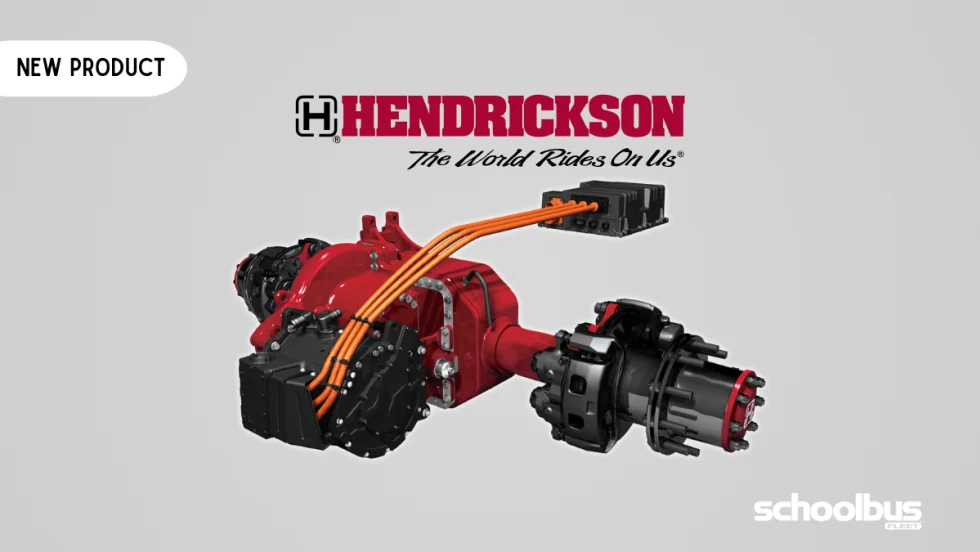
Hendrickson, Driventic Introduce New Electric Powertrain for School Buses
ELECTRAAX, the electrified, lightweight drive axle offers integrated ePowertrain efficiency and modular flexibility for Class 6–7 school bus use.
Read More →
The Mobility House Joins PowerFlex in Fleet Electrification Deal
The acquisition combines intelligent charging software, bidirectional charging expertise, and fleet electrification services to support the growing adoption of electric school buses across North America.
Read More →
Alt-Fuel Moves: Electric School Bus Investments Hit the Road
See which districts across the U.S. are putting electric school buses into service, expanding charging infrastructure, and planning the next phase of fleet electrification.
Read More →
With Fuel Volatility Ahead, School Districts Turn to Propane
While diesel prices peaked above $5 this spring, districts with propane autogas-powered fleets paid under $2 per gallon, according to PERC.
Read More →
EPA Unveils Proposed Changes to 2027 Heavy-Duty Engine Rules
The federal agency has proposed changes to next year’s targets that would eliminate DEF derates, ease warranty requirements, and retain current NOx emissions standards.
Read More →
Alt-Fuel Moves: EV Charging & Infrastructure Projects Gain Momentum
The latest developments include new funding, charging infrastructure, utility investments, and fleet technologies designed to support the transition to electric school buses nationwide.
Read More →