




Bus dash cam recording activated by G-force
The Buddy BX1500 uses a high-resolution camera, an internal shock sensor and GPS to record detailed data while the bus is in motion. A predetermined amount of G-force will activate recording and put the latest image to memory.


The BX1500 by tt-i is a simple-to-operate dash camera for school buses that encourages safe driving.
Using a high-resolution color camera at 30 frames per second, an internal three-axis shock sensor and built-in GPS, the Buddy BX1500 allows users to record detailed data throughout every drive. Once the data is recorded, the BX1500 playback software enables users to search, view and save the data to a computer. The BX1500 has high-definition video quality of 1080P.
BX1500, an in-vehicle event data recorder, makes constant recordings of video footage on a loop as the journey continues. A pre-determined amount of G-force will activate recording and put the latest image to memory.
Files are recorded directly to a 32GB secure digital card. These videos may later be viewed for surveillance purposes or evidence in an investigation. With integrated GPS, BX1500 also records the speed, time and location for post-crash analysis.
BX1500 offers school bus operators an effective risk reducing means to aid in the investigation process, decrease collateral damages associated with car accidents, encourage safe driving, monitor driving behaviors and enhance overall safety on the road, according to the company.
Other recent news on school bus cameras:
More Safety
NHTSA Releases 10-Year Review of Fatal School Bus Crashes
The latest federal analysis reinforces the safety of school buses while identifying where school-age pedestrians and other motorists remain most at risk.
Read More →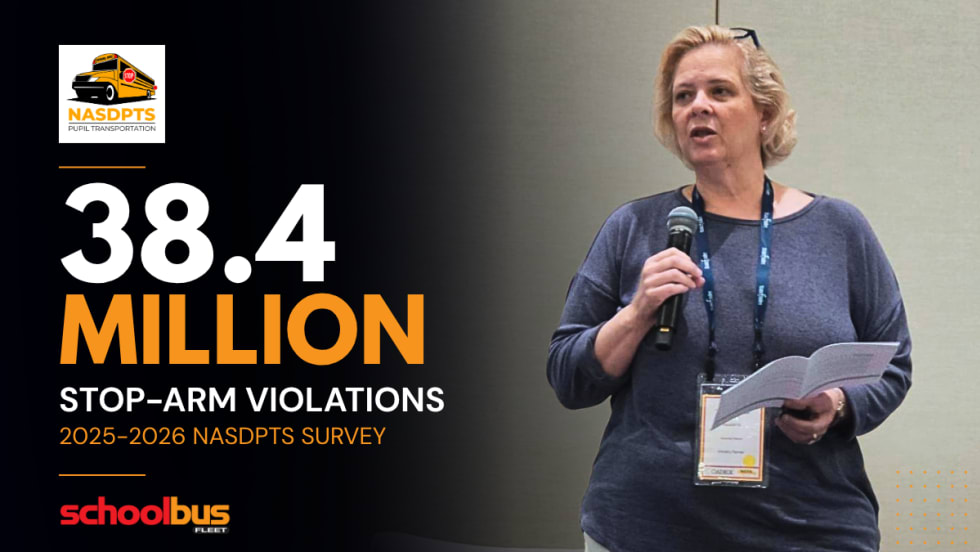
2026 NASDPTS Survey: Data Shows Further Reduction of Illegal Passing
New data is in! School bus stop-arm passings are down to 38.4 million violations per year, about a 2.3% decrease from last school year — but passings on the right side of the bus are higher than ever.
Read More →
Another School Bus Fatality Reported in Monsey, New York
A 7-year-old girl died after being struck by a school bus in Rockland County, New York while crossing the street. Here's what we know.
Read More →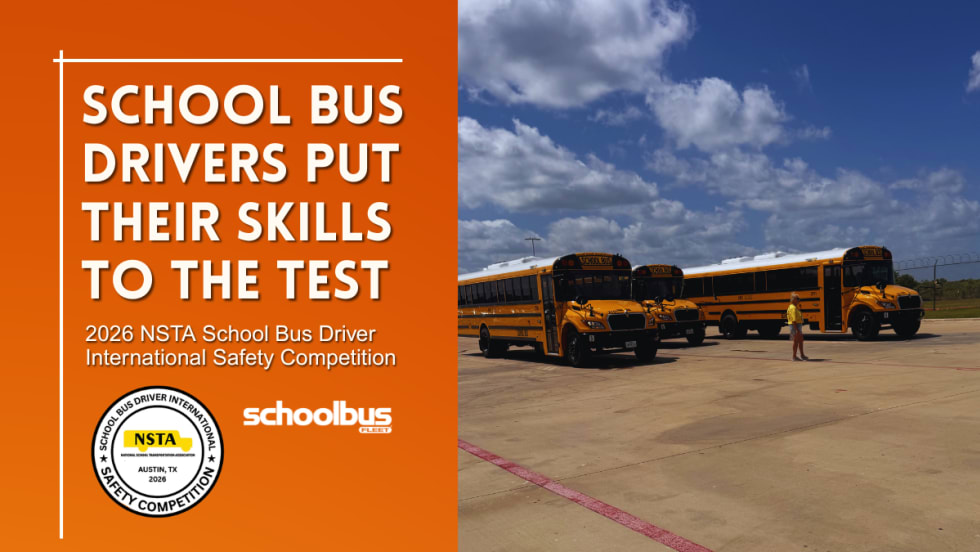
NSTA Announces 2026 School Bus Driver International Safety Competition Winners
Drivers from across the U.S. and Canada showcased their safety and driving skills, with two defending champions successfully retaining their titles.
Read More →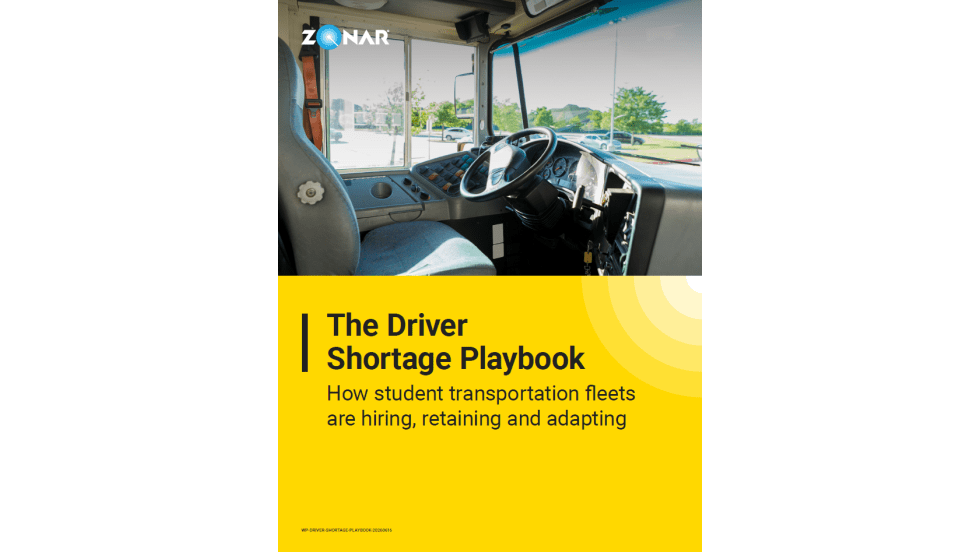
The Driver Shortage Playbook
Driver shortages are still a major challenge for student transportation fleets, but the real issue has shifted. It’s no longer just about filling seats quickly. It’s about finding safe, reliable drivers who meet performance expectations and want to stay. The Driver Shortage Playbook covers why traditional recruitment tactics are falling short and how school fleets are adapting with smarter hiring, stronger retention strategies and a greater focus on driver quality.
Read More →
Pro-Vision Launches AI-Powered 360° Camera System
The new Birdseye camera delivers real-time AI-based pedestrian and vehicle detections, full visibility around the bus, and telematics integrations.
Read More →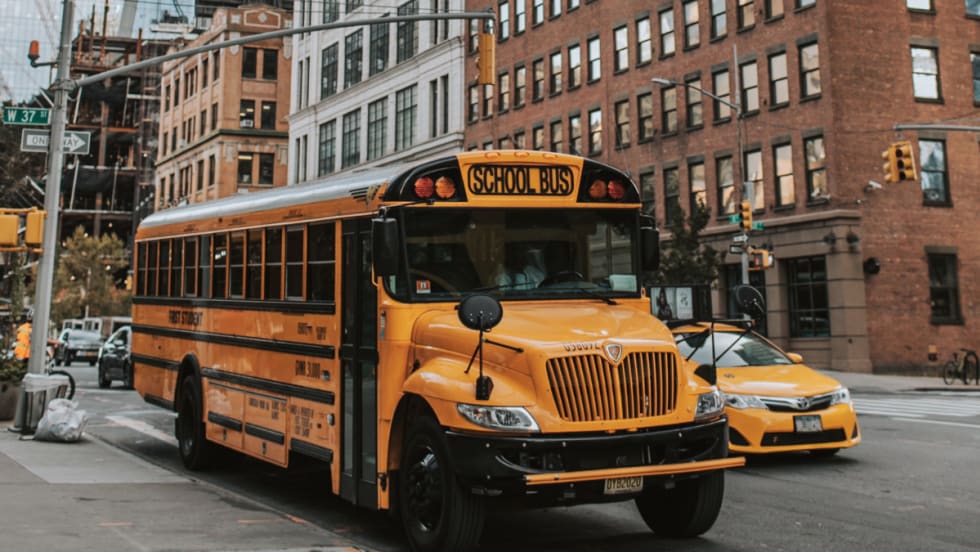
N.Y. & N.J. Coalitions Call for Modernized Transportation for Vulnerable Students
New statewide coalitions in New York and New Jersey are urging lawmakers to expand student transportation options for vulnerable students amid ongoing driver shortages.
Read More →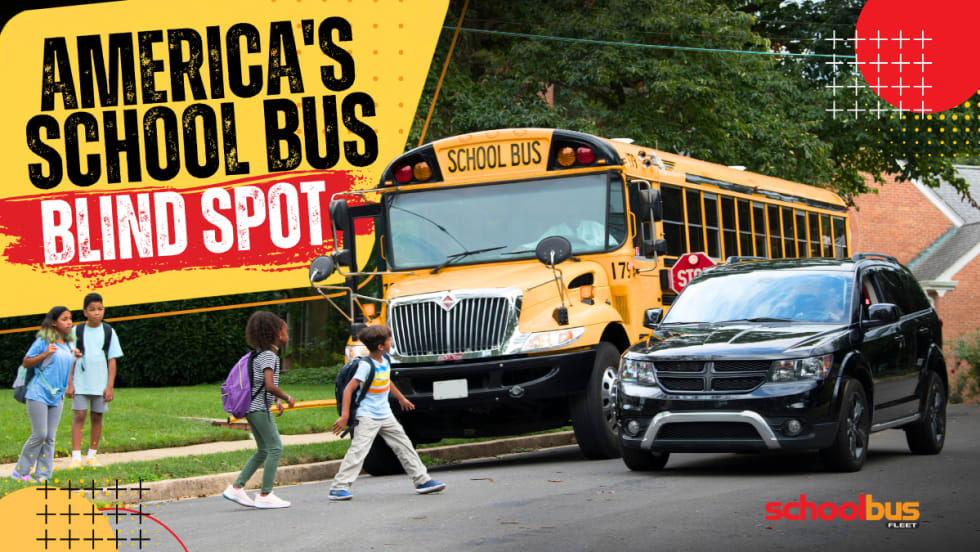
America Has a School Bus Passing Problem — and Distraction Is Making It Worse
Illegal school bus passing remains a major safety threat as distracted driving rises. This op-ed explores why awareness, enforcement, and stop-arm cameras matter more than ever.
Read More →
School Bus Laws to Watch: New York Delays EV Mandate
Plus, federal lawmakers seek new funding for school bus safety as states weigh stop-arm enforcement, disability protections, and education spending.
Read More →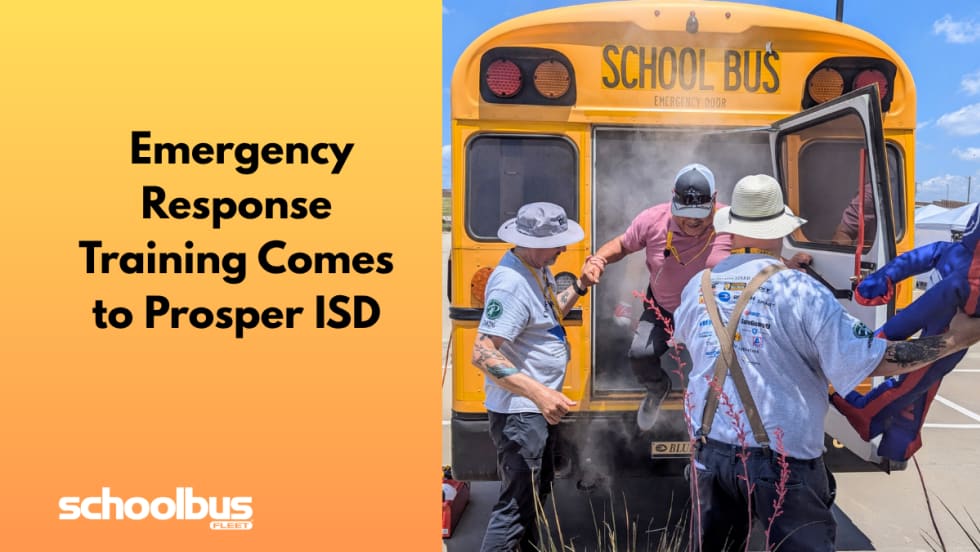
Operation STEER Brings Emergency Response Training to North Texas
Prosper ISD hosted the third annual training for transportation professionals across 67 districts to learn how to respond to emergencies, such as rollovers and evacuations, and proper use of safety equipment.
Read More →