




Related: Alabama District Adds State's First Electric School Buses
Blue Bird Boosts Electric School Bus Production Capacity to Meet Demand
The bus manufacturer ramps up to producing 1,000 units annually to meet the anticipated growth in demand. Its electric school bus sales spiked more than 250% in fiscal year 2020.
by SBF Staff
September 10, 2020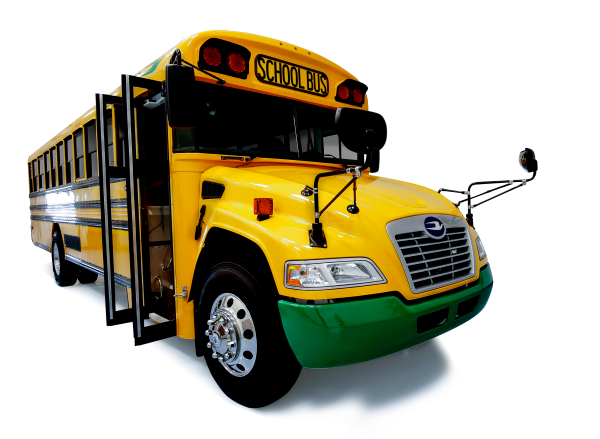
Blue Bird is ramping up its electric bus production capacity to 1,000 units annually to meet the anticipated growth in demand.
Photo courtesy Blue Bird
2 min to read
In response to a significant boost in sales and growing interest from pupil transporters, Blue Bird is ramping up its electric bus production capacity to 1,000 units annually to meet the anticipated growth in demand.
The school bus manufacturer’s electric-powered school bus sales spiked more than 250% in fiscal year 2020 compared with last year, according to a news release from Blue Bird.
That reflects a broader trend of school bus customers increasingly seeking alternative-powered vehicles, said Phil Horlock, president and CEO of Blue Bird Corp.
“About 50% of Blue Bird’s bus sales today are non-diesel, twice the industry average, as we have led the market in alternative-power solutions over the past 10 years, with our best-in-class propane engine paving the way,” he added. “Now we are seeing an unprecedented interest in our electric-powered buses.”
Blue Bird expects to have close to 300 school buses on the road by year-end since delivering its first zero-emissions bus two years ago, Horlock said.
“With more than 600,000 school buses on the road today in the U.S. and Canada, and 95% of them diesel with an average age of about 11 years, the addressable market of America’s largest mass-transportation system represents a substantial $150 billion opportunity for electric buses over the next 20 years or so,” he added.
Blue Bird’s electric school buses also offer vehicle-to-grid (V2G) charging and discharging capability, allowing users to sell power back to the electric grid at peak-demand times (particularly in summer when school buses are idle), which can reduce operating costs.
Another factor that can lower operating costs: electric buses currently utilize lithium-ion batteries to power an electric motor and have equal to or better performance than that of a bus operated by a combustion engine, according to Blue Bird. They can save districts thousands of dollars annually in fuel and maintenance costs since there is no engine or transmission to service, oil, and filter changes to consider, or typical diesel-specific items such as diesel exhaust fluid (DEF) to maintain.
Learn more about Blue Bird’s electric buses.
More Alternative Fuels

CALSTART and Forth Combine to Form Catalyst Mobility
The new name represents a renewed vision for the nonprofit focused on advancing clean, equitable, and affordable transportation solutions that move people and goods.
Read More →
Alt-Fuel Moves: New Buses, Charging Hubs & Real-World EV Testing
Propane and electric school bus deployments continue to grow as districts add new vehicles, expand charging infrastructure, and gather more real-world operating data.
Read More →
Fewer Electric School Bus Models Reshape the U.S. Market
WRI’s latest buyer’s guide points to a consolidating electric school bus market, but fewer options may reflect a maturing industry rather than fewer meaningful choices for school bus operators.
Read More →
The Fuel Budget You Can Actually Predict: How Propane Autogas Keeps Money in the Classroom
Learn how propane autogas helps school districts manage fuel costs with predictable pricing, lower maintenance, and reduced emissions from former transportation director Joel Stutheit.
Read More →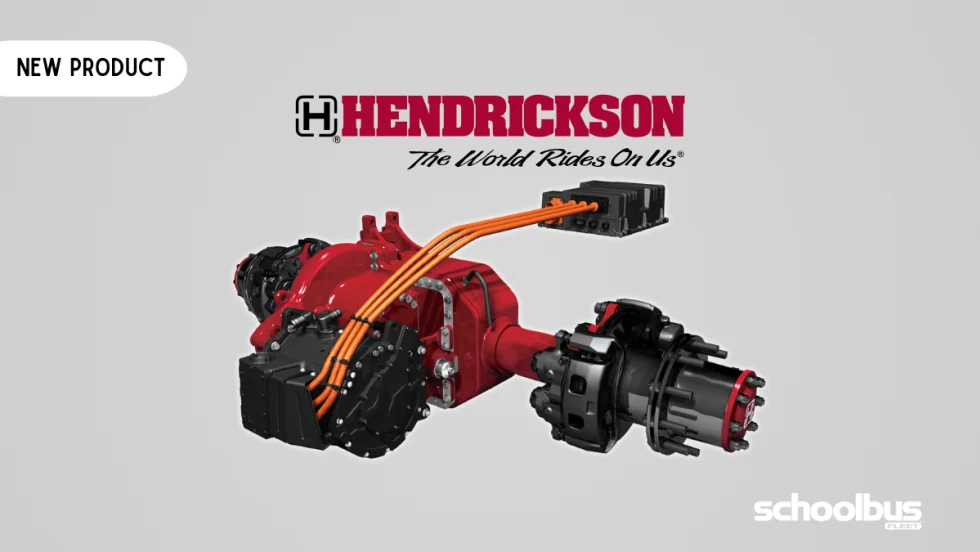
Hendrickson, Driventic Introduce New Electric Powertrain for School Buses
ELECTRAAX, the electrified, lightweight drive axle offers integrated ePowertrain efficiency and modular flexibility for Class 6–7 school bus use.
Read More →
The Mobility House Joins PowerFlex in Fleet Electrification Deal
The acquisition combines intelligent charging software, bidirectional charging expertise, and fleet electrification services to support the growing adoption of electric school buses across North America.
Read More →
Alt-Fuel Moves: Electric School Bus Investments Hit the Road
See which districts across the U.S. are putting electric school buses into service, expanding charging infrastructure, and planning the next phase of fleet electrification.
Read More →
With Fuel Volatility Ahead, School Districts Turn to Propane
While diesel prices peaked above $5 this spring, districts with propane autogas-powered fleets paid under $2 per gallon, according to PERC.
Read More →
EPA Unveils Proposed Changes to 2027 Heavy-Duty Engine Rules
The federal agency has proposed changes to next year’s targets that would eliminate DEF derates, ease warranty requirements, and retain current NOx emissions standards.
Read More →
Alt-Fuel Moves: EV Charging & Infrastructure Projects Gain Momentum
The latest developments include new funding, charging infrastructure, utility investments, and fleet technologies designed to support the transition to electric school buses nationwide.
Read More →