




Related - 5 Questions: Steve Whaley on Growing Propane Adoption, Ease of Use
VW Funds Help School Bus Operators Expand Alt-Fuel Fleets
For many operations, the VW mitigation trust has been a major boost in moving forward with alternative-fuel buses. Here’s a closer look at one school district and one contractor and how they are growing their alt-fuel fleets with VW funding.
by Thomas McMahon
May 20, 20206 min to read

Photo courtesy Metropolitan School District of Wayne Township
Since states began divvying up their shares of funding from the Volkswagen (VW) emissions settlements, much of the money has gone toward putting clean new school buses on the road.
For many operations, the VW mitigation trust has been a major boost in moving forward with alternative-fuel buses, particularly electric and propane models.
Electric buses have been a major focus for California’s VW mitigation funds. The state earmarked $130 million to replace older school, transit, and shuttle buses with new electric models.
Some states have put more emphasis on other fuels. For instance, South Carolina has awarded about $7.9 million to four school districts to acquire 78 Thomas Built propane school buses.
The VW funds aren’t being used exclusively for alternative fuels. As one example, Connecticut recently awarded more than $1.5 million to replace 30 aging school buses with new diesel models. On the other hand, another $122,689 of the state’s second round of VW funding went toward replacing a diesel bus with an electric.
Here’s a closer look at two school bus operators — one school district, one contractor — and how they’re growing their alt-fuel fleets with VW funding.
Propane Power in Indiana
In Indiana, the Metropolitan School District (MSD) of Wayne Township is expanding its propane bus fleet with help from the VW mitigation trust.
The Indianapolis-based district was awarded $351,383 to put toward the purchase of 14 new Blue Bird propane buses, which were expected to be delivered in May. That brought the propane proportion of the district’s school bus fleet to more than a third — 58 out of 154.
MSD of Wayne Township transports about 10,500 students to and from 18 schools daily. The district bought its first propane buses four years ago and has been impressed with the results.
“We love them,” says Janet Petrisin, director of transportation for MSD of Wayne Township.
Petrisin cites a slew of benefits she has seen in the propane buses: They are cleaner burning, they run quieter, the fuel is less expensive, and they have lower maintenance costs compared to diesels. The propane buses also perform better on cold winter mornings.
“They do not need to be plugged in, and they always start no matter how cold,” Petrisin says.
MSD of Wayne Township already has fueling infrastructure in place for its propane buses. The tank was installed near the diesel and gasoline tanks and, Petrisin notes, offers easy access for drivers.
MSD of Wayne Township isn’t alone in acquiring propane buses with a portion of Indiana’s VW settlement money. In the state’s 2019 round 1 awards, seven other districts purchased a total of 46 propane school buses. The VW funding awards covered 25% of the cost of the propane buses.
Four other Indiana districts acquired electric school buses, one each, in the 2019 round 1 awards. The funding covered about 75% of the purchase price of the electric buses. Meanwhile, four other districts in the state bought new diesel buses with VW funding, which covered 25% of the cost.
For MSD of Wayne Township, the VW mitigation money is moving the district closer to its alt-fuel goal.
“We hope to eventually change most of our fleet to propane within the next 10 years,” Petrisin says.

Shown here is one of the two new eLion electric buses that Kickert School Bus in Lynwood, Ill., received with VW settlement funds awarded to parent company Cook-Illinois Corp. Photo courtesy John Benish Jr.
Electric Infusion in Illinois
In Illinois, contractor Cook-Illinois Corp. is continuing its shift away from diesel with the recent addition of two electric buses.
With the help of about $474,000 from the VW mitigation trust, the Chicago-area contractor acquired two eLion Type C school buses earlier this year. John Benish Jr., president and chief operating officer of Cook-Illinois Corp, says that the funding covered about 70% of the cost of the electric buses, and the company paid out of pocket for charging equipment.
For Illinois’ initial $108 million share of the VW mitigation trust, the state is funding projects in several categories. One of those tabs up to about $10.9 million for all-electric school buses to replace older diesels. (Another $10.9 million is allotted for non-electric school buses, whether they’re other types of alternative fuels or new diesel models.)
Another Illinois operation that has been awarded VW funds for electric school buses is Triad Community Unit School District #2 in Troy. The district received $650,000 for three electric buses and charging infrastructure. Meanwhile, First Student in Illinois was awarded just over $280,000 for one new electric school bus and a charging unit.
At Cook-Illinois, which has a total of about 1,900 buses, the two new eLion electric buses joined the fleet of subsidiary Kickert School Bus. Before schools closed due to the COVID-19 pandemic, Kickert had been operating the eLions for a couple of months, with positive results.
“We were running them every day, and so far they’ve been great,” Benish says.
In addition to the new electric models, the Kickert fleet includes propane, gasoline, and diesel buses. The company sees this as an opportunity to compare those fuel types in areas like reliability, overall maintenance, and mileage.
“We’ll do a lot of pluses and minuses between the four kinds of buses,” Benish says. “It’s a good testing ground.”
The eLions have an estimated range of up to about 120 miles per charge. In service at Kickert, the buses have been able to cover morning and afternoon routes, and then they’re recharged overnight.
“They can easily do pretty much a full day on one charge, which is nice,” Benish says. “We’re trying to keep them on the closer side [to the bus yard] just to be safe.”
As the technology progresses and range increases, Benish says he sees electric school buses as “the wave of the future” for pupil transportation. He cites factors such as their compatibility with the school route cycle, their quiet operation, and their lower maintenance needs.
In fact, maintenance has been one of the key motivations for Cook-Illinois’ move away from diesel. In 2016, frustrated by ongoing problems with the emissions systems on their newer diesel buses, the company decided to only buy propane and gasoline buses that year. That has remained the case in the years since then, up until the recent addition of the two electric buses. The company remains pleased with the performance of propane and gasoline buses, and they had some new and used models on order before the COVID-19 crisis struck.
“Propane and gasoline still offer some great advantages: half as much sensors, half as much oil,” Benish says, also noting their reliability in cold weather. “The gas mileage is not as good, but we make up for it on maintenance.”
Benish notes that school buses in general are one of the greenest forms of transportation, with each one taking about 36 cars off of the road. With propane and now electric buses in the fleet, Cook-Illinois is working to make its service even greener.
“You want to provide the cleanest, safest transportation for students,” Benish says. “It’s really better for everybody.”
Thomas McMahon is a freelance writer and former editor of School Bus Fleet. He can be reached atthomcmahon@gmail.com.
Subscribe to Our Newsletter
More Alternative Fuels

Alt-Fuel Moves: New Buses, Charging Hubs & Real-World EV Testing
Propane and electric school bus deployments continue to grow as districts add new vehicles, expand charging infrastructure, and gather more real-world operating data.
Read More →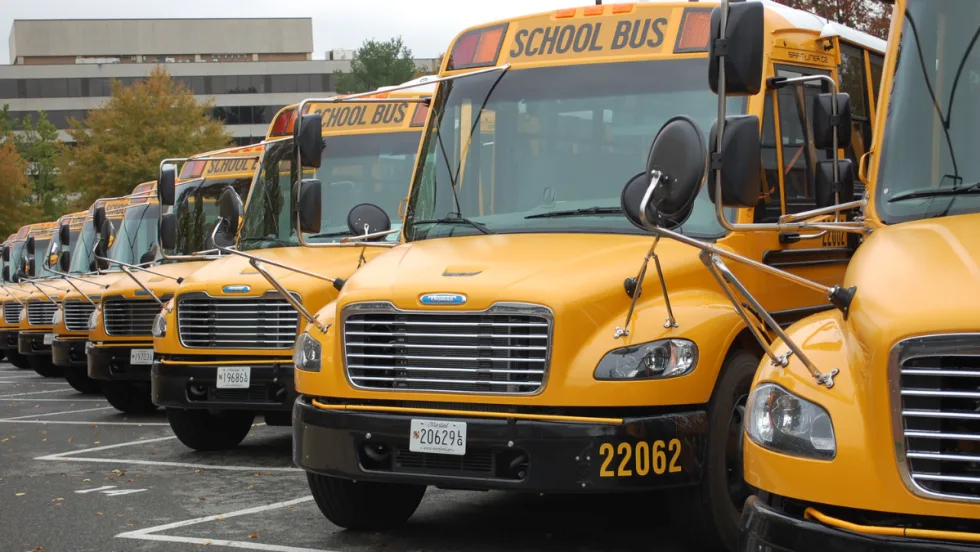
Fewer Electric School Bus Models Reshape the U.S. Market
WRI’s latest buyer’s guide points to a consolidating electric school bus market, but fewer options may reflect a maturing industry rather than fewer meaningful choices for school bus operators.
Read More →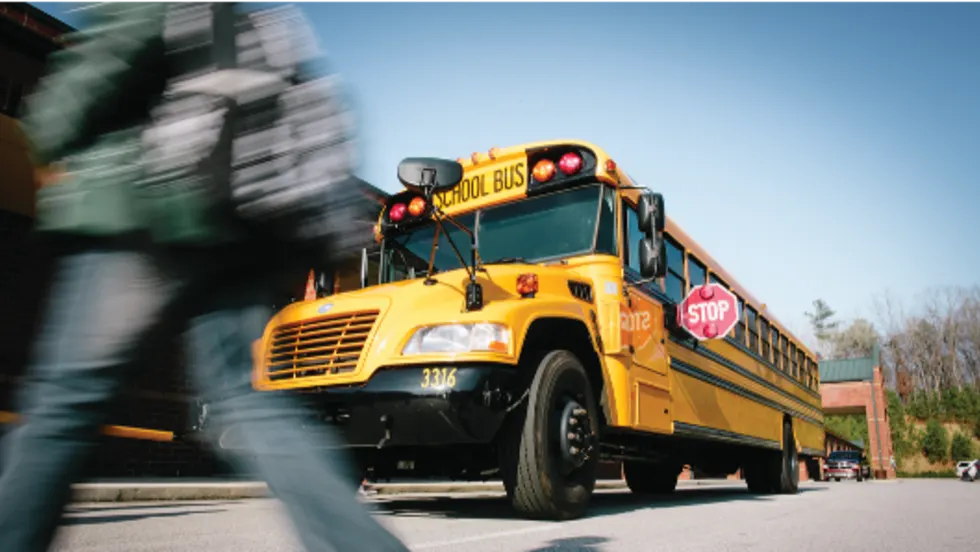
The Fuel Budget You Can Actually Predict: How Propane Autogas Keeps Money in the Classroom
Learn how propane autogas helps school districts manage fuel costs with predictable pricing, lower maintenance, and reduced emissions from former transportation director Joel Stutheit.
Read More →
Hendrickson, Driventic Introduce New Electric Powertrain for School Buses
ELECTRAAX, the electrified, lightweight drive axle offers integrated ePowertrain efficiency and modular flexibility for Class 6–7 school bus use.
Read More →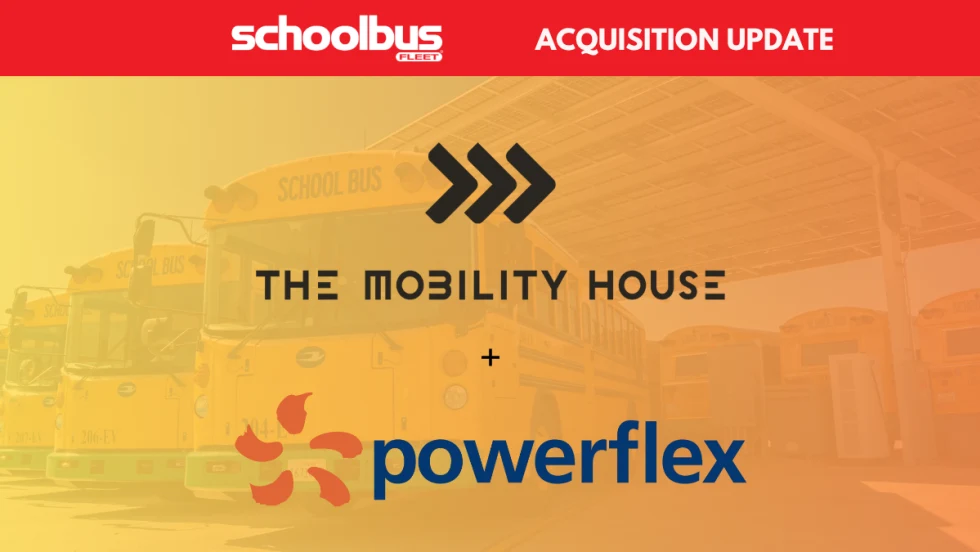
The Mobility House Joins PowerFlex in Fleet Electrification Deal
The acquisition combines intelligent charging software, bidirectional charging expertise, and fleet electrification services to support the growing adoption of electric school buses across North America.
Read More →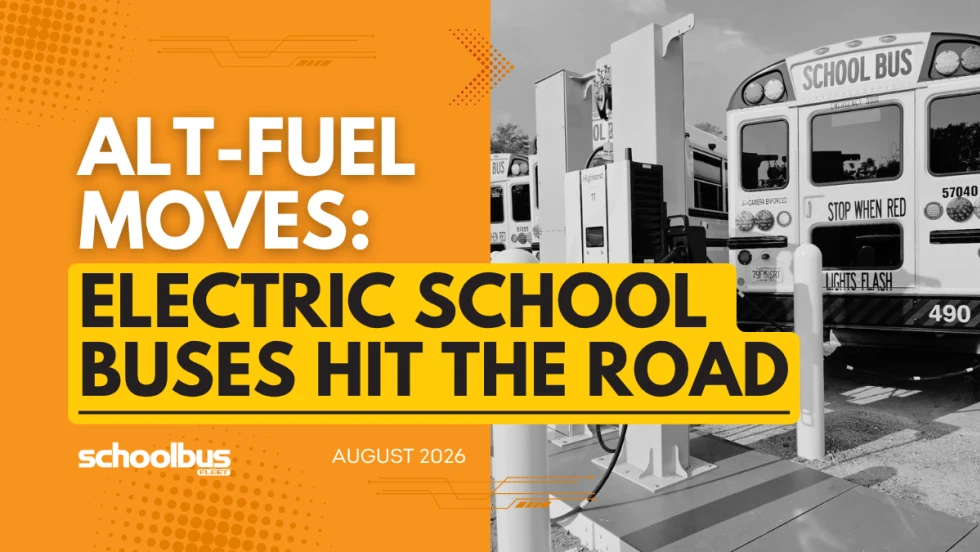
Alt-Fuel Moves: Electric School Bus Investments Hit the Road
See which districts across the U.S. are putting electric school buses into service, expanding charging infrastructure, and planning the next phase of fleet electrification.
Read More →
With Fuel Volatility Ahead, School Districts Turn to Propane
While diesel prices peaked above $5 this spring, districts with propane autogas-powered fleets paid under $2 per gallon, according to PERC.
Read More →
EPA Unveils Proposed Changes to 2027 Heavy-Duty Engine Rules
The federal agency has proposed changes to next year’s targets that would eliminate DEF derates, ease warranty requirements, and retain current NOx emissions standards.
Read More →
Alt-Fuel Moves: EV Charging & Infrastructure Projects Gain Momentum
The latest developments include new funding, charging infrastructure, utility investments, and fleet technologies designed to support the transition to electric school buses nationwide.
Read More →
Alt-Fuel Moves: Fleets Power Up Beyond the Bus
See how districts are pairing electric buses with charging, solar, and V2G technology to cut costs, boost resilience, and unlock new fleet value.
Read More →