




Related - 5 Questions: Chris Llewellyn on Propane Benefits, Mitigating Tech Shortage
5 Questions: Steve Whaley on Growing Propane Adoption, Ease of Use
Whaley talks about how the Volkswagen settlement funds have driven an interest in alternative fuels in general and the promise of renewable propane.

Nicole Schlosser・Former Executive Editor
4 min to read

Steve Whaley, director of autogas business development at the Propane Education and Research Council (PERC), joined the council as the director of autogas business development in early 2020. He is responsible for growing propane autogas market share in on-highway light-, medium-, and heavy-duty vehicle markets.
In this interview with School Bus Fleet, Whaley talks about how the Volkswagen (VW) settlement funds have driven an interest in alternative fuels in general, and the promise of renewable propane.
1. What type of work had you done before joining PERC?
I ran my own consulting company, Whaley Clean Transportation Consulting, for a few years. I worked with public and private organizations that were interested in alternative-fuel vehicles, assisting with cost of ownership and return on investment analysis.
I also worked as eastern U.S. regional sales manager for Agility Fuel Solutions. During my time there, I helped develop class 7 and 8 vehicle fleet markets for natural gas and trained and supported heavy-duty truck dealers with their fleet customers’ adoption of natural gas.
I was formerly a director of business development for Roush CleanTech. I also performed research and business development for Blossman Propane.
2. PERC has reported that there are nearly 20,000 propane school buses on the road nationwide. Are you seeing more interest in propane school buses from pupil transporters?
We’re continuing to see incredible adoption rates. On top of that number, nearly 1,000 school districts, private schools, and bus contractors across the U.S. are operating propane school buses. Just in the third quarter of 2019, 46 new districts or contractors purchased their first propane school bus.
The interest in propane buses is continuing to grow not only among new adopters but also repeat buyers. More than 60% of Type C propane bus buyers have already purchased additional propane buses.
3. Was there an uptick in the number of student transporters buying propane buses as a result of the VW funds?
The intention behind the VW settlement was to leverage the funds for projects that offer the most cost-effective reduction of nitrogen oxide (NOx). Propane school buses align well with that intent because more of them can be put into service at a lower cost than more expensive options.
Many school districts have leveraged VW settlement dollars to improve the air quality of their communities with propane school bus purchases. As of March 12, $23.9 million in VW funds have been used to put 470 propane school buses into service.
The best thing about the funds is that they have increased interest in alternative fuels as a whole and has provided PERC an opportunity to share propane benefits with more districts that might not have been ready to adopt alternative-fuel buses.
4. What concerns are you hearing from school transporters about using propane?
Some fleets have concerns about making the transition to propane because they aren’t sure how they are going to get the fuel or what the refueling process will look like for their fleet. Thankfully, propane is an easy energy source to implement. Because it cannot contaminate the soil or water sources, it is not regulated by the EPA and does not have the risk associated with conventional fuels. The refueling options are scalable to meet a fleet’s specific needs as they sometimes start with a few units but grow their fleets quickly.
Another concern is about training service technicians to work on propane school buses. However, if a service technician is familiar with gasoline or diesel engines, they will be comfortable working on propane systems. There are plenty of opportunities to train and become certified to maintain propane fuel systems from propane suppliers, OEMs, dealers, and aftermarket fuel system manufacturers.
5. What is happening at PERC that might be of interest to people in the school bus industry?
We are especially excited about renewable propane. It is a byproduct of the production processes for renewable diesel and jet fuel, which converts plant and vegetable oils, waste greases, and animal fat into fuel. In fact, several U.S.-based refineries are already capable of producing renewable propane.
Because renewable propane’s chemical structure and physical properties are the same as current propane production, renewable propane provides fleet owners the same performance and reliability.
Existing propane buses and refueling infrastructure will not require any modification to use renewable propane. At the point of combustion, renewable propane is carbon neutral, meaning no new carbon is added to the atmosphere. Renewable propane produces fewer lifecycle carbon dioxide emissions than traditionally sourced propane.
Subscribe to Our Newsletter
More Alternative Fuels
EPA Unveils Proposed Changes to 2027 Heavy-Duty Engine Rules
The federal agency has proposed changes to next year’s targets that would eliminate DEF derates, ease warranty requirements, and retain current NOx emissions standards.
Read More →
Alt-Fuel Moves: EV Charging & Infrastructure Projects Gain Momentum
The latest developments include new funding, charging infrastructure, utility investments, and fleet technologies designed to support the transition to electric school buses nationwide.
Read More →
Alt-Fuel Moves: Fleets Power Up Beyond the Bus
See how districts are pairing electric buses with charging, solar, and V2G technology to cut costs, boost resilience, and unlock new fleet value.
Read More →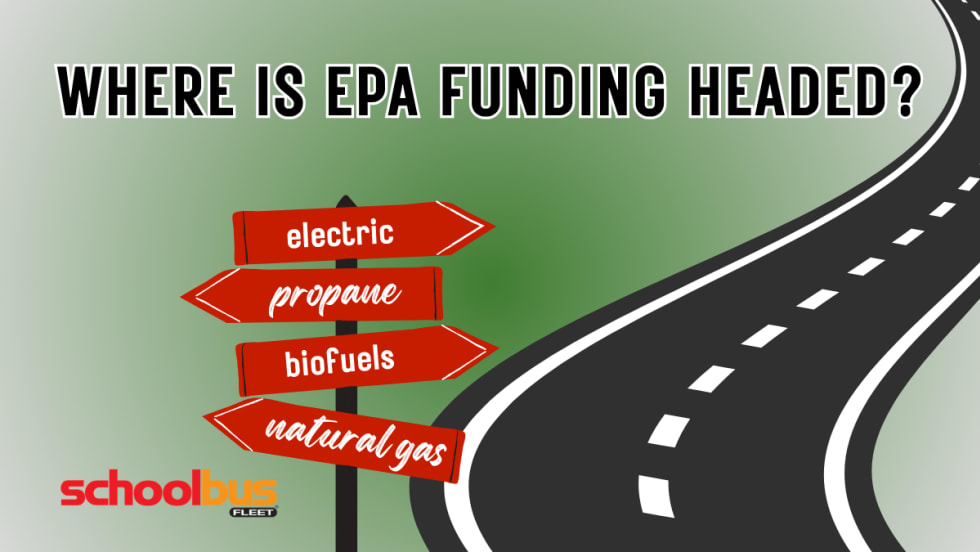
What the EPA’s Updated Clean School Bus Program Means for Fleet Electrification in 2026 and Beyond
A guide to the EPA’s evolving school bus grants, including how the Trump administration changed funding priorities and how school districts can prepare for future bus purchases.
Read More →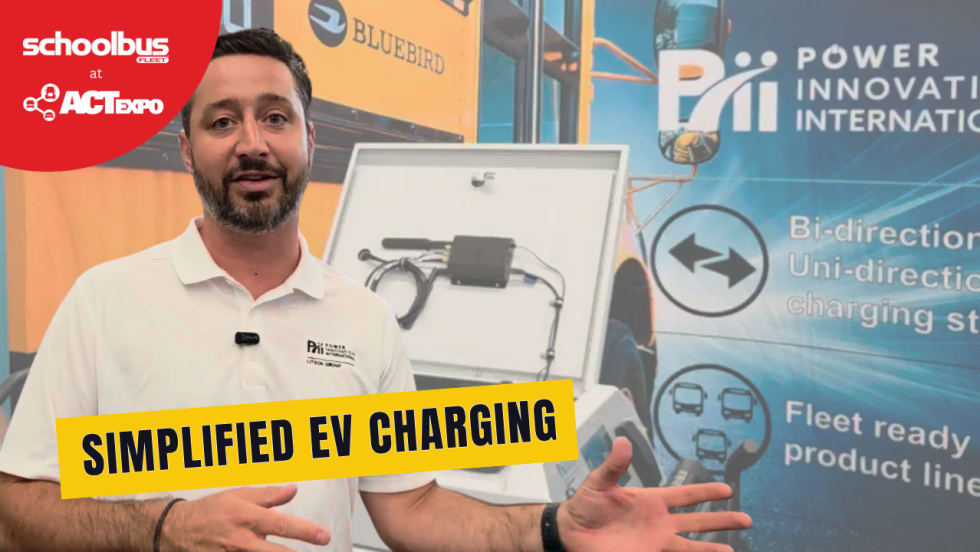
A Solution Helping School Buses Charge Without Major Infrastructure Upgrades
Power Innovations International dishes on its EV charging technology designed to reduce infrastructure barriers, improve reliability, and support V2G applications for school bus fleets.
Read More →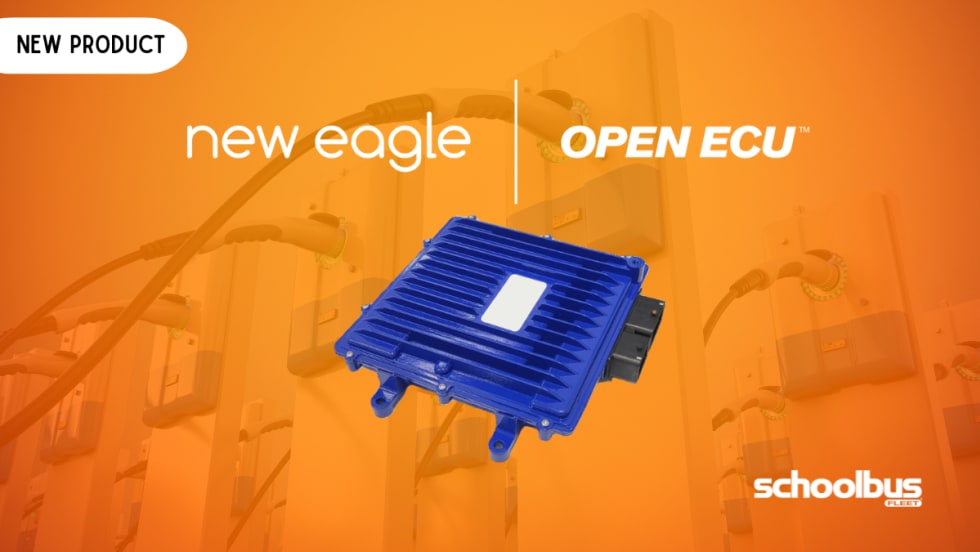
New Eagle Launches All-in-One EV Control Platform
The new OpenECU NX3 platform integrates charging and vehicle controls into a single platform, with support for megawatt charging and vehicle-to-grid technologies.
Read More →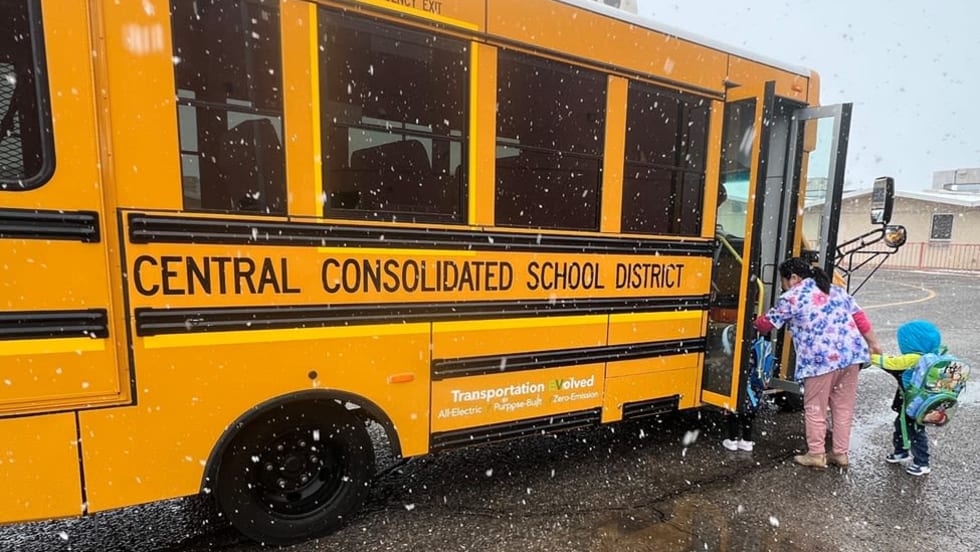
GreenPower Unveils New Heating Solution for Type A Bus
The all-electric bus manufacturer's new product aims to eliminate cold-cabin issues on its Nano BEAST zero-emission school buses operating in cold climates.
Read More →
Alt-Fuel Moves: Fleets Plug In for the Long Haul
School districts across the U.S. are moving electric school bus plans into operation, with new fleet deployments, charging infrastructure, and long-term electrification partnerships taking shape.
Read More →
The Achilles Heel of School Bus Electrification: BetterFleet’s Take
BetterFleet’s managing partner discusses AI-powered EV fleet management, vehicle-to-grid challenges, and the real challenges in bus electrification today, from ACT Expo.
Read More →
You're On Your Own to Pick a Drivetrain [Op-Ed]
After years of federal pressure toward electric school buses, districts are suddenly being told to choose their own path. Let’s explore the risks, realities, and politics behind school bus drivetrain decisions.
Read More →