




Yellow buses: a worldwide beacon
That Chinese officials are looking to the American school bus system for guidance is a vital step, particularly in light of a recent tragedy in China’s rural Gansu province.

The U.S. catches a lot of flak — from inside and outside of its borders — regarding its military involvements, its other foreign policies, the practices of its businesses and on and on.
But one area in which our great nation is widely admired by the rest of the world is school transportation.
At the recent National Association for Pupil Transportation (NAPT) conference in Cincinnati, delegates from the United Arab Emirates were in attendance to learn more about American school busing and bring that knowledge to their own operations back home. U.S. industry veterans have even been flown overseas to provide their pupil transportation expertise.
Chinese interest
In 2009, when reporters from China’s state television network, CCTV, wanted to learn about the U.S. school transportation system, they visited New York’s Monroe-Woodbury Central School District to get a firsthand look at yellow buses.
Cliff Berchtold, the district’s director of transportation, and Mike Martin, NAPT’s executive director, gave the visiting reporters a tour of the numerous safety features on a bus, including the emergency door and the crossing arm. They explained how the pupil transportation system works and the benefits it provides nationwide.
Then last fall, Chinese government traffic security officials visited the Connecticut Department of Motor Vehicles (DMV) to learn about the state’s school bus safety program and discuss student transportation safety issues.
DMV Sgt. Garfield Green (the state pupil transportation director) and DMV Inspector Doug Lecco exchanged school bus safety information with Xuhe Ye, deputy director of the Traffic Division of Public Security for the Fujian province in China.
During the meeting, DMV staff performed a complete school bus inspection, reviewed how the agency audits paperwork of individual student transportation companies and outlined other safety responsibilities.
Improvements needed
That Chinese officials are looking to the American school bus system for guidance is a vital step, particularly in light of a recent tragedy in China’s rural Gansu province.
On Nov. 16, 19 preschool students and two others were killed when a school van collided head-on with a coal truck. According to press reports, there were 64 people in the van, which only had nine seats.
After a second big school transportation accident in China the following week, The Wall Street Journal reported that Chinese Premier Wen Jiabao pledged that the nation would take measures to improve school bus safety.
“School buses should be safe mobile campuses for students,” Wen said, according to the state-run China Daily. He reportedly urged the central government to rapidly develop new school bus safety regulations, and he vowed to help local governments in acquiring safe buses for schoolchildren.
Then on Dec. 12, another tragic school bus crash occurred in China, this one reportedly leaving 15 students dead. It came the day after the China State Council’s Legislative Affairs Office opened a public comment period on draft school bus safety regulations, which cover areas including oversight, licensing and vehicle standards.
Whether they live in China or the United Arab Emirates or anywhere else in the world, children deserve a ride that’s as safe as the American school bus.
More Safety

How to Build a Better School Bus Driver Training Program
Is it time to strengthen your driver training? Here’s how to pick the right talent and improve recruitment, retention, and safety. This video is brought to you by IC Bus.
Read More →
Recent School Bus Accidents Leave 2 Dead, 2 Injured
Four school bus crashes in Florida, Illinois, and Georgia highlight risks in transportation lots, at bus stops, and during student loading and unloading.
Read More →
When Every Second Matters, Clarity Keeps Routes Moving
From routine delays to urgent incidents, strong communication practices help drivers, dispatchers, schools, and families respond with confidence.
Read More →

What Happens When a School Bus Catches Fire — and What Can Help
School bus fires are rare but can be devastating. Learn how advances in fire suppression and asset protection help fleets detect fires earlier, reduce damage, and improve safety.
Read More →
Geotab Launches Tool to Help Fleets Investigate Road Incidents
Geotab Investigations combines telematics data, video, documents, and other evidence to help fleets reconstruct incidents, resolve claims, and determine what happened.
Read More →
Texas Sixth Grader Wins 2026 National School Bus Safety Poster Contest
Sai Darshana Yekolu of Moseley Middle School in Prosper, Texas, was named the newest winner for her artwork, bringing the theme of “Safe Rides, Everyday Heroes” to life.
Read More →
Doing More With Less: How Transportation Directors Can Prioritize Safety Amid Budget Uncertainty
With diesel prices soaring and nearly one-third of transportation directors expecting budget cuts, maintaining student safety has never been more challenging. Download this guide to learn how leading districts are prioritizing risk, funding critical safety technology, and building stronger budget cases with data.
Read More →
Walton County Schools Adds Gatekeeper Stop-Arm Enforcement System
The Florida district will deploy Gatekeeper’s updated Student Protector technology, which now incorporates AI to improve video evidence.
Read More →
How To Build a More Secure School Bus Yard During and After Hours
As thefts and overnight security threats continue, school transportation leaders are combining stronger operational practices with AI-enabled surveillance to better protect buses, facilities, and staff.
Read More →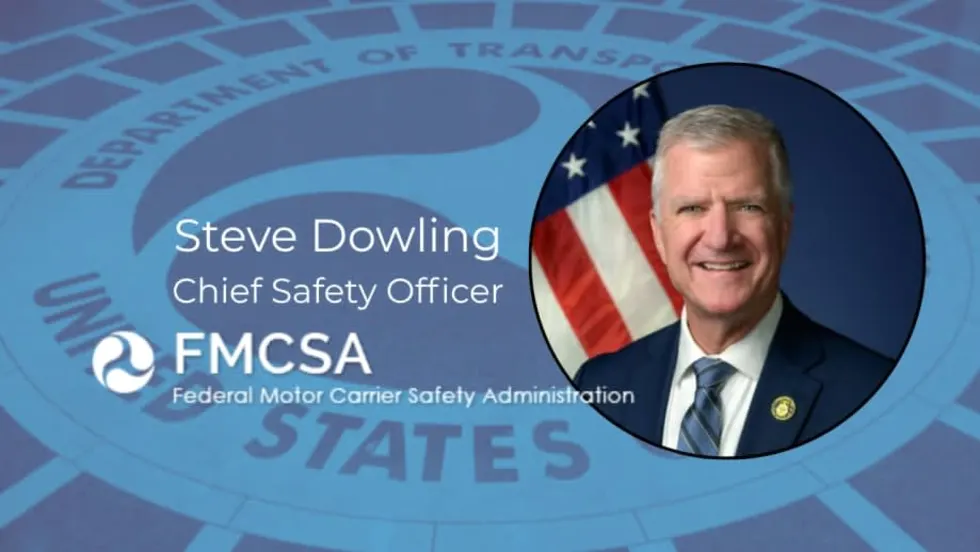
FMCSA Names New Chief Safety Officer: What School Bus Operators Should Know
Steve Dowling is set to lead the federal agency's efforts to advance commercial motor vehicle safety and reduce crashes, fatalities, and injuries on the nation's roadways.
Read More →