




Passengers to Be Monitored for Pollutant Levels
Connecticut’s Department of Environmental Protection (DEP) has announced a pilot program to study the air quality on school buses, in passenger loadin...

Connecticut’s Department of Environmental Protection (DEP) has announced a pilot program to study the air quality on school buses, in passenger loading and unloading areas and in the classroom by having students wear portable air monitors. In concert with the student monitoring, the project, called the Clean School Bus Program, will test the effectiveness of clean diesel technology by retrofitting several school buses with particulate traps and oxidation catalysts. The buses will be run on ultra-low sulfur diesel fuel. Personal monitoring will take place in May and September, before and after the clean-diesel upgrades to the buses. Funding for the project was made available through a Supplemental Environmental Project, resulting from a settlement of an enforcement action against a Norwich metallurgical facility. Through the $250,000 settlement, the DEP will fund the retrofitting of six to eight buses with pollution-control equipment and subsidize the city of Norwich for the 15 cents-per-gallon premium for low-sulfur fuel. First Student Inc., the bus company that serves Norwich, will start the 2002-03 school year with the retrofitted buses. The new technologies are expected to reduce hydrocarbons and carbon monoxide levels by approximately 70 percent. Fine particulates are expected to be reduced by as much as 90 percent.
More Alternative Fuels
Bipartisan Bill Seeks to Extend Clean School Bus Program Through 2031
The proposed legislation would renew federal support for cleaner school buses as districts navigate funding uncertainty, rising fuel and infrastructure costs, and fleet replacement needs.
Read More →
Alt-Fuel Moves: Electric Bus Rollouts, Bidirectional Charging & Propane Growth
See which fleets are adding electric and propane school buses as districts and operators invest in charging infrastructure, bidirectional technology, and alternative-fuel expansion.
Read More →
Nobody Told Diesel Prices They Were Supposed to Come Down
With diesel prices surging, school bus fleets have new reason to stress-test fuel costs, consider diversification, and calculate what each route really costs to operate.
Read More →
Why Gasoline School Buses Are Making a Comeback
Gasoline is gaining ground in full-size school buses. See how today’s options stack up against diesel on cost, maintenance, emissions, performance, and more.
Read More →
EPA Opens $180M DERA Funding Round for Diesel Upgrades
The 2026 Diesel Emissions Reduction Act program seeks applications from eligible organizations to accelerate the retirement of legacy diesel vehicles.
Read More →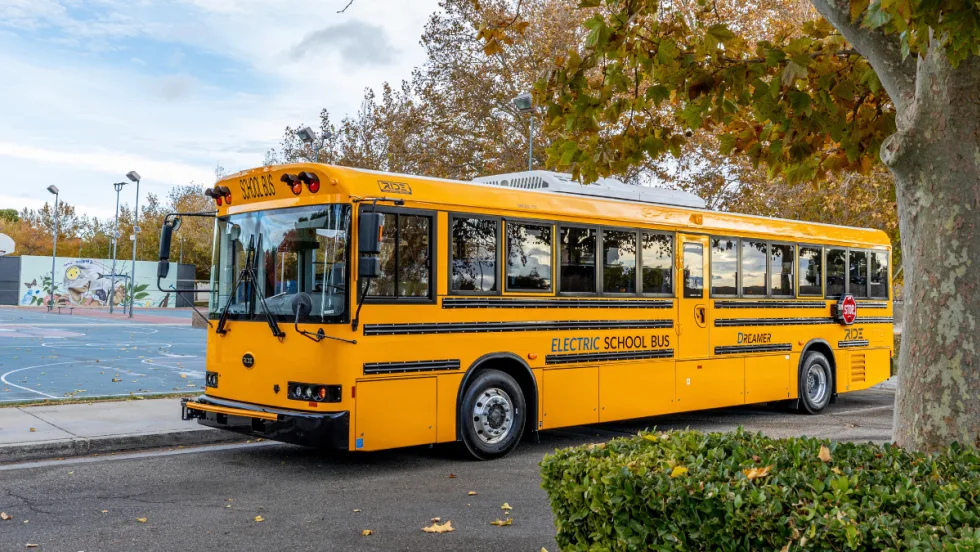
The Secret Life of an Electric School Bus Battery
Batteries change throughout years of daily routes, but degradation doesn’t necessarily mean the end. Here’s what operators should know about performance, safety, and second life.
Read More →
CALSTART and Forth Combine to Form Catalyst Mobility
The new name represents a renewed vision for the nonprofit focused on advancing clean, equitable, and affordable transportation solutions that move people and goods.
Read More →
Alt-Fuel Moves: New Buses, Charging Hubs & Real-World EV Testing
Propane and electric school bus deployments continue to grow as districts add new vehicles, expand charging infrastructure, and gather more real-world operating data.
Read More →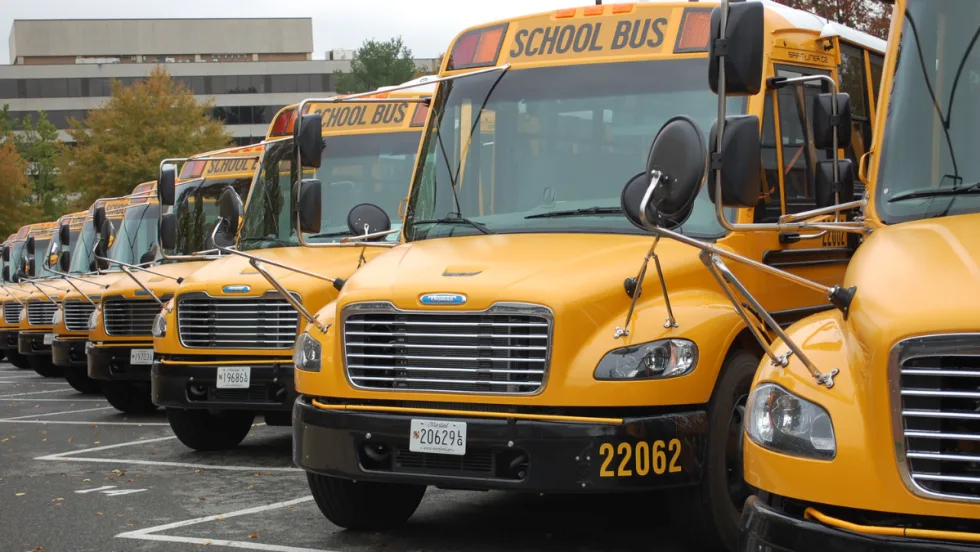
Fewer Electric School Bus Models Reshape the U.S. Market
WRI’s latest buyer’s guide points to a consolidating electric school bus market, but fewer options may reflect a maturing industry rather than fewer meaningful choices for school bus operators.
Read More →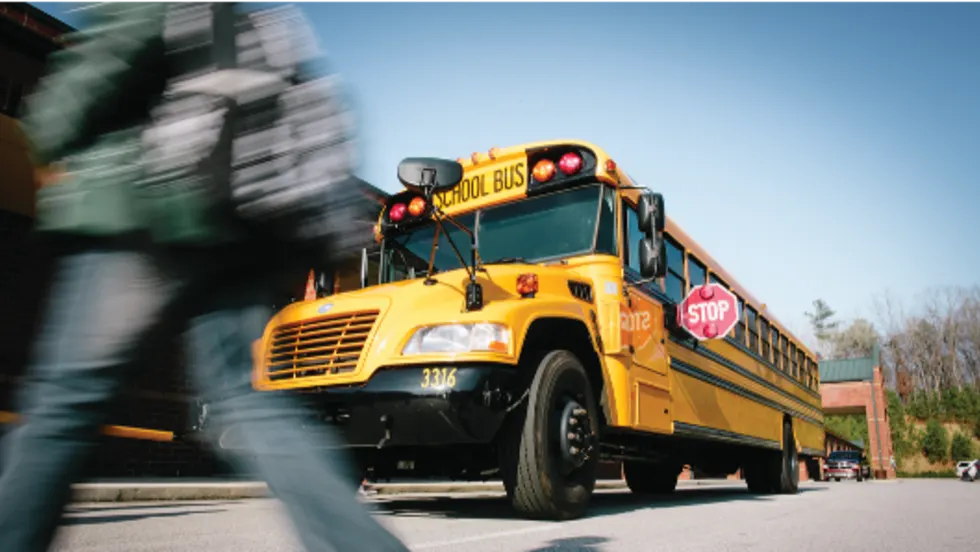
The Fuel Budget You Can Actually Predict: How Propane Autogas Keeps Money in the Classroom
Learn how propane autogas helps school districts manage fuel costs with predictable pricing, lower maintenance, and reduced emissions from former transportation director Joel Stutheit.
Read More →