




NSTA Advocacy in Action — Helping the Yellow Bus Go Green
Whether members are interested in idling reduction, upgrading to newer and cleaner diesel engines, or need help moving to alternate fuels, the National School Transportation Association can help in a variety of ways.
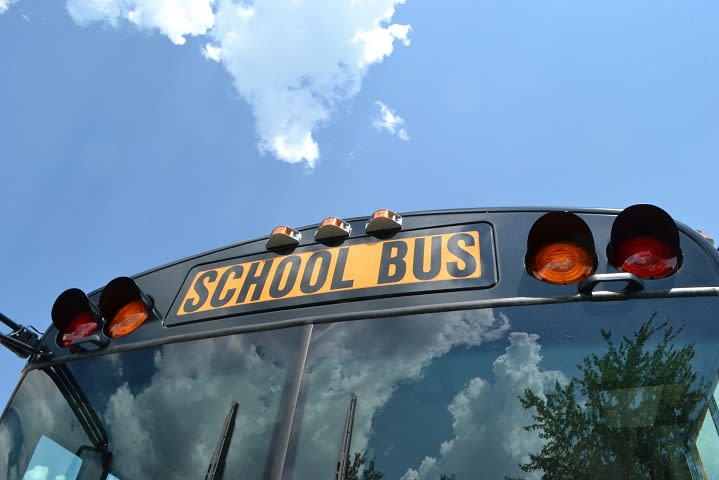
File photo
File photo
Although the school bus industry recognizes the National School Transportation Association (NSTA) as a leading resource for private school bus transportation solutions, some may not be aware that NSTA also helps the yellow bus go green.
NSTA members receive access to grant funding, certification and recognition programs, and hands-on assistance from industry peers to help them run cleaner school bus fleets. Whether members are interested in idling reduction, upgrading to newer and cleaner diesel engines, or need help moving to alternative fuels like propane, compressed natural gas (CNG), or electric, NSTA helps in a variety of ways.
Supporting EPA Programs
NSTA has been a leading supporter of EPA programs that help improve and protect the environment.
Each day, nearly 500,000 school buses transport over 26 million students to and from school, more than intercity and intra-city bus transportation, rail, and aviation combined. So, EPA programs aimed at improving the environment through reduction of diesel emissions get the biggest bang for their buck when applied to school bus fleets. Most significant is NSTA’s role in providing private contractors with access to Diesel Emission Reduction Act (DERA) grant funds.
The DERA program, originally authorized in 2005, continues to produce environmental benefits well in excess of its cost. Reports from the EPA show that every DERA grant dollar invested returns from $5 to more than $20 of healthcare savings and other benefits. Further, every federal dollar is typically matched by $3 of non-federal funds.
The program helps promote a host of new technologies, which are almost entirely developed and built in the U.S. School bus operators know that diesel vehicles are workhorses that last a long time. DERA helps the school bus industry to get older buses still in service off the road, cleaning the air in the process.
In fact, modern emission control technology in newer school buses emits up to 95% less soot and smog-forming emissions. NSTA helps its members understand and access DERA grant funds so they can upgrade their fleets while helping to improve the environment.
Whether members are interested in idling reduction, upgrading to newer and cleaner diesel engines, or need help moving to alternate fuels … NSTA helps in a variety of ways.
Green Certification, Award
Since 2010, the NSTA Green Fleet Certification program has recognized NSTA members for creating a cleaner environment through available technologies.
The certification standards are amended each year with guidance from the EPA to reflect changing industry standards. The program encourages the development of efficient, environmentally friendly school bus fleets by comparing member fleets to EPA particulate matter emission reduction standards, showing progress overall in the reduction of such emissions. The EPA has supported NSTA’s Green Fleet Certification program since its inception.
Additionally, the annual NSTA Go Yellow, Go Green award recognizes a member company that has demonstrated an exceptional commitment to green fleet efforts and, through corporate practice and industry leadership, best demonstrates the principles of NSTA’s Go Yellow, Go Green campaign.
Committee Guidance
NSTA’s guidance is not limited to assisting members with access to EPA funded grant programs and providing recognition and encouragement. Members have access to actual hands-on help.
The NSTA Manufacturers, Suppliers, & Technology (MST) Committee is focused on helping its members understand, embrace, and obtain the best and most innovative school bus fleets available.
The MST Committee, which includes subject matter experts, works to connect members with experts in evolving technologies through roundtables, seminars, webinars, podcasts, as well as people and companies producing the latest school bus innovations.

Blake Krapf is the president of the National School Transportation Association.
NSTA’s manufacturer members have generously opened their doors to provide members with tours of their facilities and time to meet with the engineers who are developing newer and cleaner school bus fleets.
Helping Your Fleet Go Green
NSTA members are leaders in providing safe, efficient, and environmentally friendly school transportation. Join NSTA for guidance, support, and access to grant funding that will help improve your fleet while improving the environment for generations to come. There is clean power in collaboration with your industry peers. With NSTA, you never travel alone.
More Alternative Fuels

CALSTART and Forth Combine to Form Catalyst Mobility
The new name represents a renewed vision for the nonprofit focused on advancing clean, equitable, and affordable transportation solutions that move people and goods.
Read More →
Alt-Fuel Moves: New Buses, Charging Hubs & Real-World EV Testing
Propane and electric school bus deployments continue to grow as districts add new vehicles, expand charging infrastructure, and gather more real-world operating data.
Read More →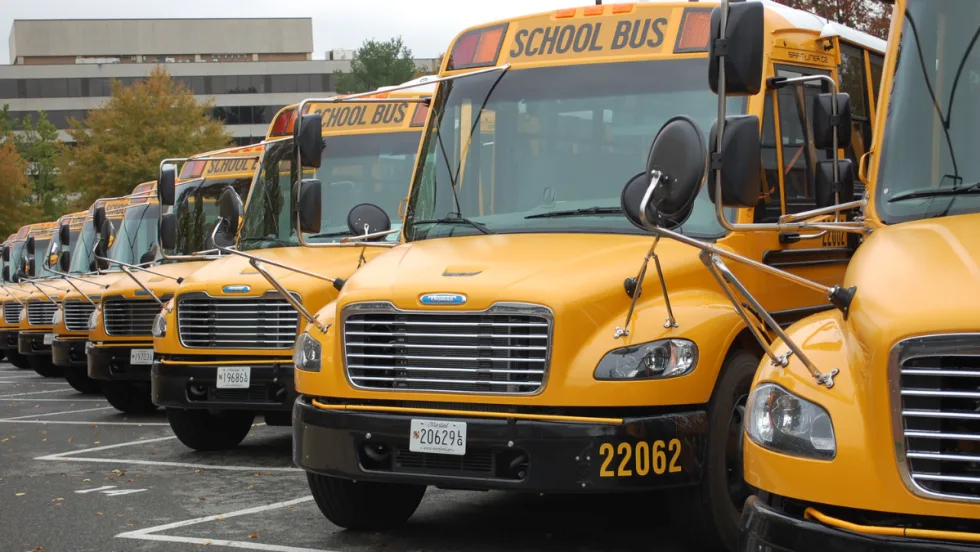
Fewer Electric School Bus Models Reshape the U.S. Market
WRI’s latest buyer’s guide points to a consolidating electric school bus market, but fewer options may reflect a maturing industry rather than fewer meaningful choices for school bus operators.
Read More →
The Fuel Budget You Can Actually Predict: How Propane Autogas Keeps Money in the Classroom
Learn how propane autogas helps school districts manage fuel costs with predictable pricing, lower maintenance, and reduced emissions from former transportation director Joel Stutheit.
Read More →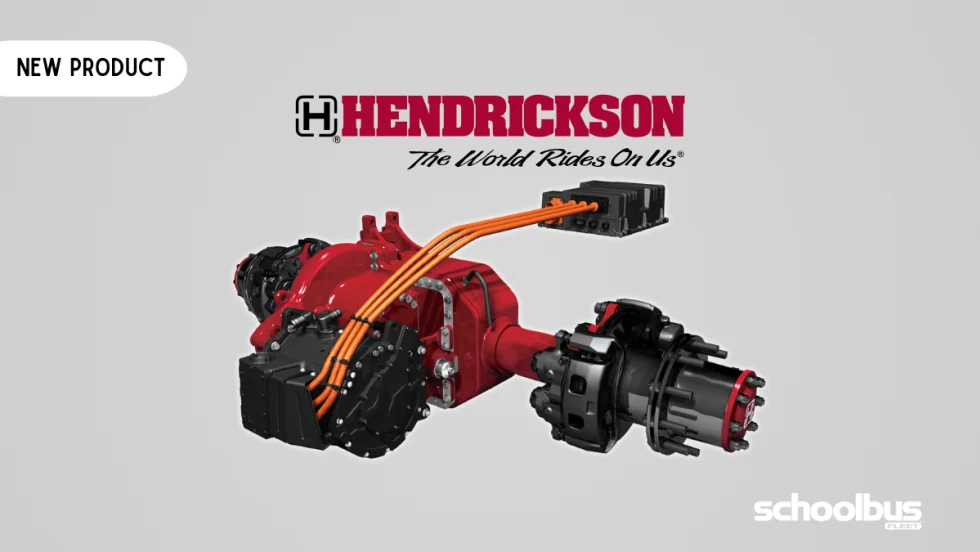
Hendrickson, Driventic Introduce New Electric Powertrain for School Buses
ELECTRAAX, the electrified, lightweight drive axle offers integrated ePowertrain efficiency and modular flexibility for Class 6–7 school bus use.
Read More →
The Mobility House Joins PowerFlex in Fleet Electrification Deal
The acquisition combines intelligent charging software, bidirectional charging expertise, and fleet electrification services to support the growing adoption of electric school buses across North America.
Read More →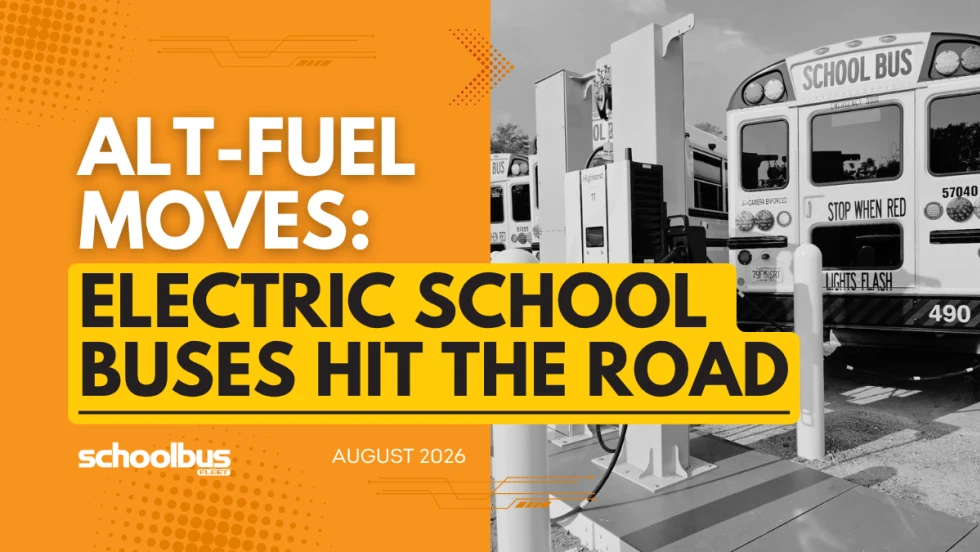
Alt-Fuel Moves: Electric School Bus Investments Hit the Road
See which districts across the U.S. are putting electric school buses into service, expanding charging infrastructure, and planning the next phase of fleet electrification.
Read More →
With Fuel Volatility Ahead, School Districts Turn to Propane
While diesel prices peaked above $5 this spring, districts with propane autogas-powered fleets paid under $2 per gallon, according to PERC.
Read More →
EPA Unveils Proposed Changes to 2027 Heavy-Duty Engine Rules
The federal agency has proposed changes to next year’s targets that would eliminate DEF derates, ease warranty requirements, and retain current NOx emissions standards.
Read More →
Alt-Fuel Moves: EV Charging & Infrastructure Projects Gain Momentum
The latest developments include new funding, charging infrastructure, utility investments, and fleet technologies designed to support the transition to electric school buses nationwide.
Read More →