




NSTA Advocacy in Action — 12 Key Achievements in 2017
NSTA's executive director shares developments that illustrate the association's role as an industry voice and key resource for private school transportation.
With the start of a new year, I want to take a moment to look back at the successes that helped shape an extraordinary year for the National School Transportation Association (NSTA).
Our footprint in the legislative and regulatory realm has grown, and we have a deepened focus on advocacy and professional networking. The list below is not exhaustive, but these developments illustrate NSTA’s role as an industry voice and a key resource for private school bus transportation solutions.
1. Sleep Apnea Rulemaking Withdrawn
After a year of advocacy efforts, in August 2017 the Federal Motor Carrier Safety Administration (FMCSA) withdrew the proposed rule that would have required school bus drivers to be screened for undiagnosed sleep apnea, even though the short-route, frequent-stop nature of school bus transportation is not a likely environment to find an undiagnosed sleep apnea risk. Great efforts were made to educate legislators about the differences between school buses and over-the-road trucking and motorcoaches, as pertaining to the risk of sleep apnea.
2. Minimum Insurance Increase Withdrawn
After three years of effort, in June FMCSA dropped its proposal to increase required minimum liability insurance limits. NSTA efforts included the introduction of a passenger carrier insurance bill aimed at limiting regulatory authority to change passenger carrier minimum insurance limits, which led to the ultimate resolution of that issue in the FAST (Fixing America’s Surface Transportation) Act. NSTA advocacy efforts highlighted the lack of facts and evidence supporting the proposal.
3. Entry Level Driver Training Rule Effective
In January 2016, FMCSA proposed 120 hours of training required for Class A licenses and 90 hours required for Class B and C licenses. NSTA participated in the negotiated rulemaking committee, and collaborative efforts helped educate legislators on the nuances of school buses and the effectiveness of state and local education on the matter. The final rule became effective in June 2017, with a compliance date of Feb. 7, 2020.
4. Safety Fitness Determination Changes Withdrawn
FMCSA rule changes proposed in January 2016 would have radically changed the safety fitness carrier rating system — the “satisfactory,” “conditional,” and “unsatisfactory” ratings would have been replaced with only one, “unfit.” NSTA provided pertinent information to the Department of Transportation. Ultimately, the safety fitness determination proposal was withdrawn in March 2017.
5. Appropriations Bill Boosts DERA Funding
The fiscal year 2017 omnibus appropriations bill provided a 20% increase in annual Diesel Emissions Reduction Act (DERA) funding, to $60 million per year. NSTA pushed hard for this increase.
6. Introduction of BUSREGS-21
NSTA worked with Congressman Scott Perry to introduce a comprehensive regulatory reform bill, BUSREGS-21, for the passenger carrier industry. The bill addresses regulatory overreach and overzealous enforcement of regulations on commercial motor vehicle carriers. It also creates more opportunities for the school bus industry to supplement public transit options.

Tiffany Boykin is executive director of the National School Transportation Association.
7. Bonus Depreciation Extended
At the urging of NSTA, the fiscal year 2016 omnibus appropriations bill contained tax provisions extending bonus depreciation for 2015, 2016, and 2017 at 50% and phasing it down to 40% in 2018 and 30% in 2019. The package also extended the alternative fuel vehicle tax credit for 2015 and 2016.
8. DERA Grants for Contractors
NSTA applied for DERA grant funds on behalf of several of its contractor members and successfully secured funding to help replace outdated diesel buses.
9. Zonar Grant Awarded
Each year, NSTA and Zonar jointly sponsor a significant grant for smart fleet hardware technology that supports and promotes the improved safety, effectiveness, and efficiency of pupil transportation programs. The 2017 grant was awarded to an NSTA region 4 contractor member.
10. Scholarships for Safety Competition
NSTA provides numerous driver recognitions and related awards and grants that enhance driver and employee retention. Two scholarships were awarded to participants of the 2017 School Bus Driver International Safety Competition.
11. New Library Launched
In 2017, NSTA authored, joined, or filed nearly 20 written comments, position papers, position letters, member bulletins, testimony, and media releases advocating for the interests of school bus contractors, all of which are available to NSTA members in the new NSTA Library.
12. E-newsletter Rebooted
Also in 2017, NSTA launched its new monthly e-newsletter, NSTA 64, which provides valuable news and info on school bus industry hot topics and association news and updates.
NSTA is an exciting place to be these days. Learn more at www.yellowbuses.org, and join us in continued success in 2018 and beyond.
More Management
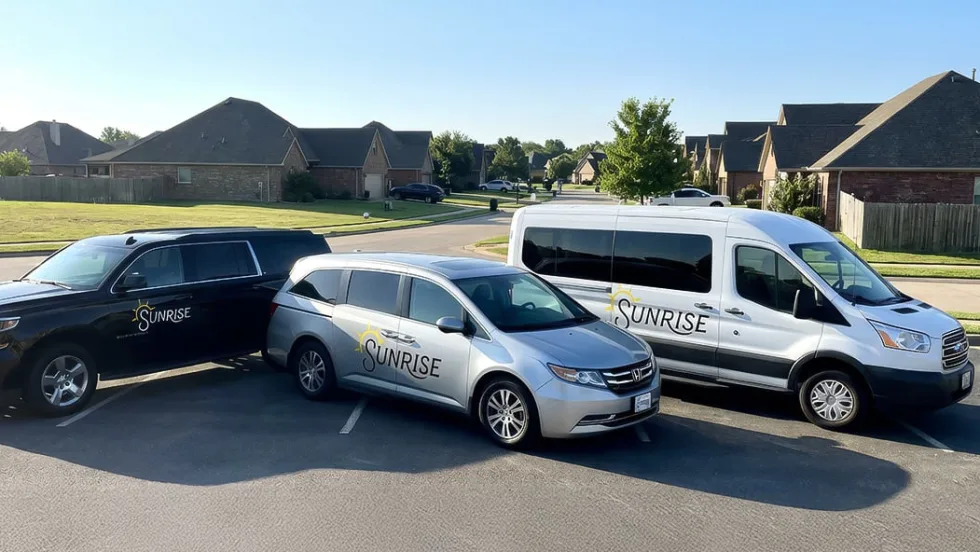
STA Acquires Sunrise Transportation
Student Transportation of America expands in Illinois and Connecticut through Sunrise's fleet of nearly 1,000 vehicles.
Read More →
EPA Opens $180M DERA Funding Round for Diesel Upgrades
The 2026 Diesel Emissions Reduction Act program seeks applications from eligible organizations to accelerate the retirement of legacy diesel vehicles.
Read More →
HopSkipDrive’s CareEngine Targets the ‘Exceptions’ in Student Transportation
The new platform works alongside districts’ existing transportation management systems to coordinate specialized rides, automate last-minute changes, and turn ride data into operational improvements.
Read More →


The Right Ride for Every Student: Navigating the New Student Transportation Ecosystem
How should districts blend school buses with small-vehicle transportation and other options? EverDriven CEO Mitch Bowling discusses safety, costs, partnerships, and strategy.
Read More →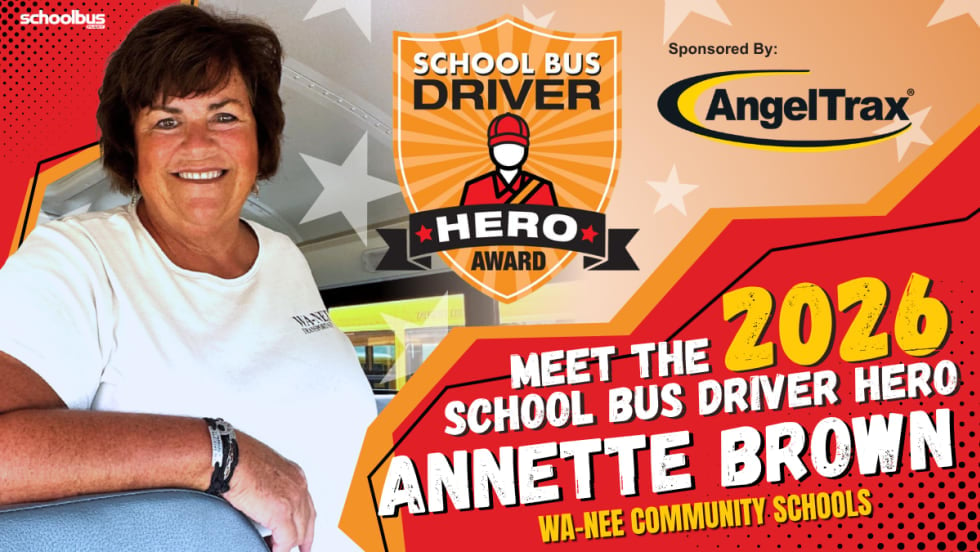
Annette Brown Always Takes the Extra Time: Meet Our 2026 School Bus Driver Hero
For more than 30 years, the Wa-Nee Community Schools driver has treated students like family, combining safety, compassion, and servant leadership to make a lasting difference on and beyond the school bus.
Read More →
How to Build a Better Driver Training Program
Ready to boost up your school bus instructor training? Here’s how to pick the right talent and improve recruitment, retention, and safety.
Read More →
CALSTART and Forth Combine to Form Catalyst Mobility
The new name represents a renewed vision for the nonprofit focused on advancing clean, equitable, and affordable transportation solutions that move people and goods.
Read More →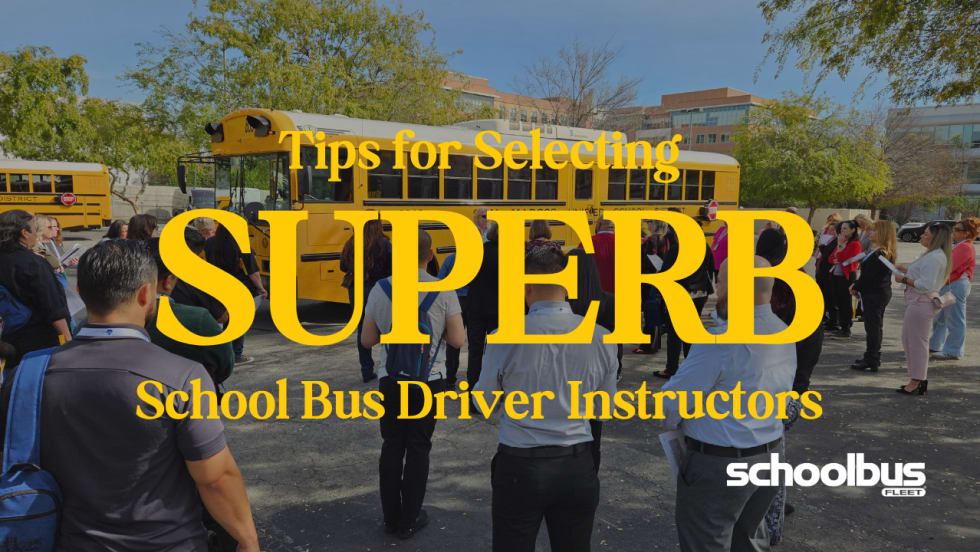
What Makes a Great School Bus Driver Trainer?
Choosing the right school bus driver trainer takes more than experience. Learn six keys to selecting and developing trainers and evaluating program effectiveness.
Read More →
School Bus Contractors Expand Through New Deals, Acquisitions & Partnerships
STA's Canadian division acquires Ontario-based G&L Stevenson Transport; Durham School Services adds a new district in California; First Student expands in New Jersey; and Minnesota Coaches rebrands and acquires Halo Transportation.
Read More →
Logan Bus Company Rolls Out AI Phone System for NYC School Bus Families
A summer pilot found that AI agents could handle most routine calls, freeing up time for customer service staff to focus on emergencies and complex family concerns.
Read More →